Dairy-Free Whipped Feta and Ricotta Alternatives
Cashew and tofu-based whipped feta and ricotta alternatives that get close to the real texture and tang, with an honest look at where they fall short.
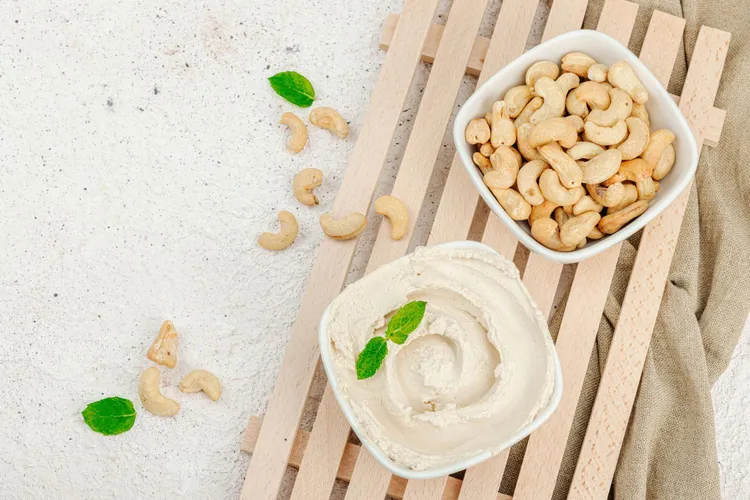
Whipped feta and ricotta both depend on real dairy fat and protein structure for their texture, which makes a dairy-free version genuinely harder to nail than most cheese swaps. That doesn't mean it isn't worth doing, but it's worth knowing upfront what to expect.
Dairy-Free Whipped Feta (Cashew-Based)
Ingredients
- 1 cup raw cashews, soaked in hot water for at least 1 hour, drained
- 1/4 cup water
- 3 tbsp lemon juice
- 2 tbsp nutritional yeast
- 1 tbsp olive oil
- 1 tsp fine salt
- 1/2 tsp garlic powder
Instructions
- Add all ingredients to a high-speed blender or food processor.
- Blend for 2 to 3 minutes, scraping down the sides as needed, until completely smooth.
- Chill for at least 1 hour before serving; the mixture firms up and the tang develops further as it sits.
Dairy-Free Whipped Ricotta (Tofu-Based)
Ingredients
- 14 oz firm tofu, pressed and drained
- 2 tbsp olive oil
- 2 tbsp lemon juice
- 1 tbsp nutritional yeast
- 1/2 tsp fine salt
Instructions
- Add all ingredients to a food processor.
- Process for 1 to 2 minutes, scraping down the sides once, until smooth and lightened in color.
- Chill for at least 30 minutes before serving.
Nutrition (per serving, about 2 tbsp, either version)
- Calories: ~85 kcal
- Protein: 3g
- Carbs: 3g
- Fats: 7g
Why Cashews for Feta and Tofu for Ricotta
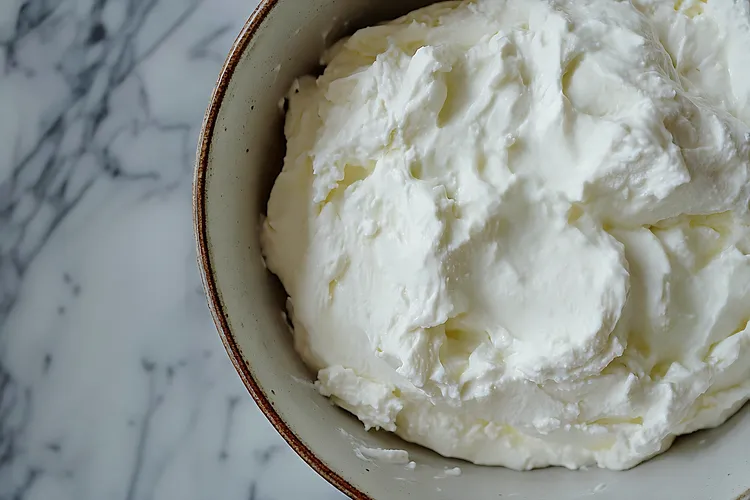
Cashews bring a natural richness and a slightly firmer set once chilled, which gets closer to feta's density than tofu would. Tofu's naturally soft, slightly springy texture and neutral flavor make it a better match for ricotta's lightness, and it blends into something noticeably closer to ricotta's actual mouthfeel than cashews do.
Getting the Tang Right
Neither cashews nor tofu naturally carry any of the tang that real feta or ricotta has, so lemon juice and nutritional yeast are doing real work here rather than being optional extras. Nutritional yeast in particular contributes a savory, faintly cheesy note that's hard to replicate any other way in a fully plant-based version; don't skip it even if you're not used to cooking with it.
Where These Fall Short of the Real Thing
Being direct about this: neither version fully replicates feta's sharp, briny tang or ricotta's specific milky sweetness, since both of those flavors come from dairy fermentation and milk proteins that plant-based ingredients simply don't have. What these versions do well is deliver a genuinely creamy, tangy, savory dip with a similar texture and use case, which is a reasonable and often very good result on its own terms, just not a one-to-one substitute if someone at the table is expecting the exact flavor of real feta or ricotta.
Serving Suggestions
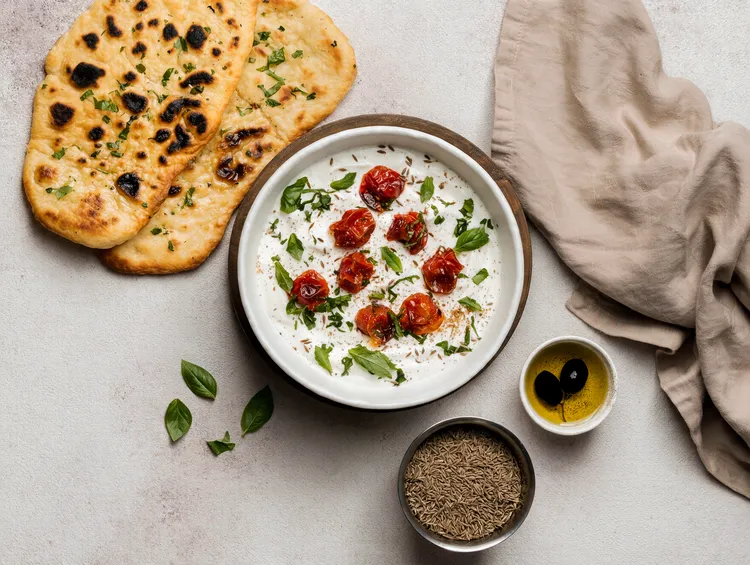
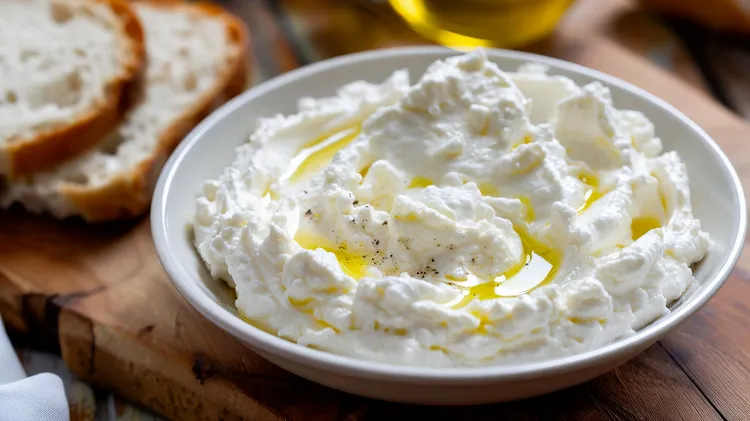
Both versions work well with the same toppings as their dairy counterparts. The cashew feta version pairs particularly well with a drizzle of hot honey, similar to our dairy version, and the tofu ricotta version takes well to fresh herbs or a savory olive oil finish, similar to the base whipped ricotta recipe.
Choosing Cashews vs Other Nuts
Cashews are the standard choice for dairy-free cheese alternatives because they're naturally mild, blend into a smooth, nearly white base, and have a fat content that helps mimic dairy's richness better than most other nuts. Blanched almonds or macadamia nuts can work as a substitute, though almonds need their skins removed first (or they leave a grainy texture and gray tint), and macadamias bring a noticeably higher fat content that makes the final result richer but also pricier.
Adjusting Consistency
If either version turns out too thick after blending, add water or unsweetened plant milk a tablespoon at a time until it loosens to a spreadable consistency; both cashews and tofu can vary in how much liquid they need depending on freshness and brand. If it turns out too thin, a tablespoon of extra soaked cashews or an extra ounce of pressed tofu, blended in briefly, tightens things back up without diluting the flavor.
Nutrition Compared to the Dairy Versions
Per two-tablespoon serving, the cashew-based version runs fairly close in calories to real whipped feta but with less protein and no cholesterol, while the tofu-based version is actually higher in protein than real whipped ricotta, thanks to tofu's naturally protein-dense composition. Neither version reaches the specific fermented tang of real feta, which relies on live cultures rather than lemon juice for its sourness, so expect a brighter, more citrus-forward tang rather than feta's deeper, more complex sourness.
Add-In Flavors That Work Especially Well Here
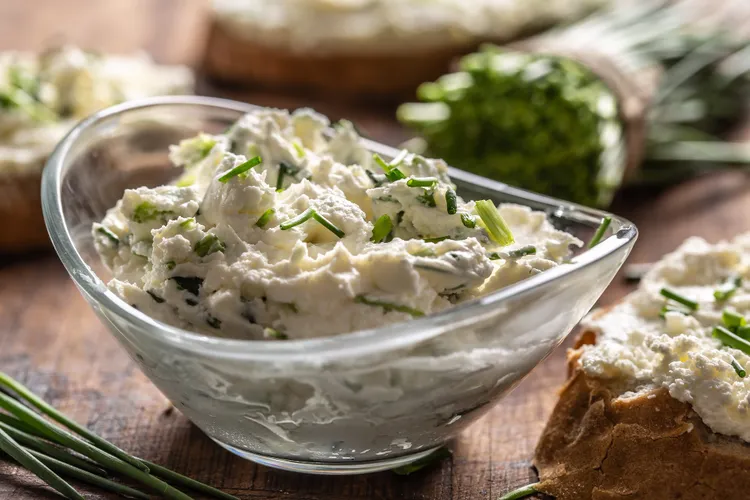
Because both plant-based versions start from a more neutral flavor base than real feta or ricotta, they take particularly well to bold add-ins that can stand on their own rather than relying on the cheese's own tang to carry the flavor. A spoonful of white miso paste blended into the cashew version adds a savory, umami depth that helps compensate for the milder tang compared to real feta. Fresh herbs, roasted garlic, and a drizzle of good olive oil all work as well here as they do with the dairy versions covered elsewhere in this guide.
Shelf Life Compared to Dairy Versions
Both plant-based versions keep for a similar window to their dairy counterparts, roughly 4 to 5 days for the cashew version and 3 to 4 days for the tofu version, given tofu's naturally shorter fresh shelf life once opened. Store both in a sealed container in the fridge, and give either a quick stir before serving if it's separated slightly, which is more common with plant-based versions than with real dairy cheese.
Making These Nut-Free as Well as Dairy-Free
For a version free of both dairy and nuts, sunflower seeds (soaked the same way as cashews) can substitute in the feta recipe, though the flavor is slightly more assertive and less naturally sweet, so it's worth increasing the lemon juice slightly to balance it. The tofu-based ricotta recipe is already nut-free as written, making it the more straightforward option for anyone avoiding both categories at once.
Serving These Alongside Dairy Versions
If you're hosting a mixed group with different dietary needs, it's worth clearly labeling which bowl is which, since the plant-based versions look quite similar to their dairy counterparts once plated. A small handwritten card or a slightly different garnish on each bowl (fresh herbs on the dairy-free version, for instance) helps guests avoid confusion without needing to ask.
Frequently Asked Questions
Do I really need to soak the cashews?
Yes, soaking softens the cashews enough for a food processor or blender to fully break them down into a smooth paste rather than leaving small gritty pieces. A quick soak in just-boiled water for an hour works about as well as an overnight soak in cold water if you're short on time.
Can I use silken tofu instead of firm tofu for the ricotta version?
Silken tofu blends even more smoothly but produces a noticeably looser, less stable result that doesn't hold its shape as well. Firm tofu, well pressed first, strikes a better balance between smoothness and structure for this specific use.
Will nutritional yeast make this taste like nutritional yeast?
In the amounts used here, no. Nutritional yeast in small quantities reads as a savory, faintly cheesy background note rather than a distinct flavor of its own, which is exactly the effect this recipe is relying on.
Can I make a sweet dairy-free ricotta version too?
Yes, follow the tofu-based recipe here but swap the nutritional yeast and salt for honey or maple syrup and a touch of vanilla, similar in spirit to our sweet whipped ricotta recipe.
Cost Comparison to Dairy Versions
Raw cashews and firm tofu are both generally comparable in price to feta and ricotta, sometimes slightly less expensive depending on where you shop, which means going dairy-free here isn't typically a budget trade-off in either direction, just a different set of ingredients to shop for.
Why Lemon Juice Plays a Bigger Role Here Than in the Dairy Versions
In the dairy recipes elsewhere in this guide, lemon juice is mainly there for brightness, since feta and ricotta already carry real tang of their own. In these plant-based versions, lemon juice is doing considerably more work, since cashews and tofu start out essentially flavor-neutral with no built-in acidity. It's worth tasting and adjusting the lemon juice more carefully here than you might with the dairy recipes, since getting the acid level right matters more to the overall success of the final flavor.
A Note on Freshness of Nutritional Yeast
Nutritional yeast loses potency over time once opened, so if a recipe using it tastes flatter than expected despite following the ingredient list exactly, an older, less potent container of nutritional yeast is a likely culprit. Store it in a sealed container in a cool, dark place, and expect noticeably better flavor from a fresher container than one that's been open for many months.
How These Fit Into a Broader Dairy-Free Pantry
Both recipes here lean on ingredients, cashews, tofu, nutritional yeast, that show up repeatedly across plant-based cooking more broadly, so building a small stock of these staples pays off well beyond just this one dip, useful for everything from dairy-free sauces to baked goods. If you're new to dairy-free cooking generally, these two recipes are a reasonably approachable starting point precisely because they don't require any specialty ingredients beyond what a well-stocked plant-based pantry would already include.
Introducing These to Skeptical Guests
If serving these to guests who aren't already plant-based and might be skeptical, it's worth not over-explaining or apologizing for the substitution upfront; let the dip stand on its own first, and mention the ingredients only if asked. A dish presented confidently, without hedging, tends to get judged on its actual merits rather than pre-filtered through skepticism about what it's missing compared to the original.
These two recipes exist to fill a genuine gap, most of the flavor directions covered throughout this guide, hot honey, blistered tomatoes, savory mix-ins, translate reasonably well onto either plant-based base once it's made, meaning a dairy-free guest doesn't have to sit out the broader trend covered across this whole collection, just start from a different base recipe to get there. That's a meaningfully better outcome than the more limited plant-based substitutes available even a few years ago, and it's worth revisiting periodically as ingredient quality and technique continue to improve in this space.
A Reasonable Expectation for First-Timers
If this is your first time working with either cashew-based or tofu-based cheese alternatives, go in expecting a genuinely good, tangy, creamy dip rather than an exact clone of dairy feta or ricotta, and the result is far more likely to land well. Expectations set correctly from the start make a real difference in how positively a first attempt at either recipe is received, and most people who approach it this way come away pleasantly surprised rather than disappointed by comparison to the original.
Batch Testing Before a Big Event
If you're planning to serve either dairy-free version at an important gathering for the first time, it's worth making a small test batch a few days ahead rather than trying the recipe for the very first time on the day of the event itself. Both cashews and tofu can vary somewhat in moisture and flavor between brands, so a quick trial run helps confirm the exact seasoning balance that works with the specific products available to you, which is well worth the small amount of extra planning it takes, especially when the goal is winning over guests who may already be skeptical, since a confident, well-tested first impression matters more than any written explanation could, and it's the surest way to change minds about what plant-based cooking is capable of, one genuinely good bite at a time rather than through argument or explanation, which is ultimately a more persuasive approach than any amount of talking up the ingredient list beforehand.
For the full picture of how these compare to the dairy originals, see our complete whipped feta and ricotta guide.
Latest