Za'atar, Chili Crisp, and Herb Mix-Ins for Whipped Dips
A roundup of flavor directions beyond the classic recipe - za'atar, chili crisp, fresh herbs, and more, all built on the same five-minute base.
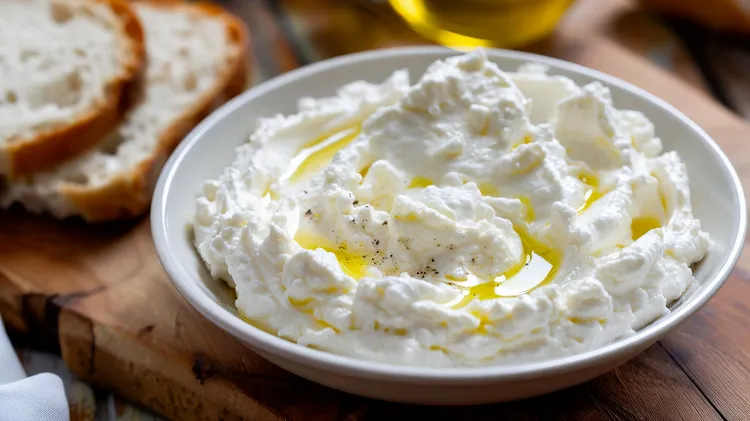
Once the base whipped feta or ricotta technique is solid, flavor is just a matter of what's already in the pantry. Here's a working list of directions beyond the two most popular variations covered elsewhere in this guide.
Za'atar and Olive Oil
Stir 1 to 2 tablespoons of za'atar into the finished whipped feta or ricotta, then finish the top with an additional sprinkle and a generous drizzle of good olive oil. Za'atar's blend of thyme, sumac, and sesame seeds adds an earthy, slightly tangy note that pairs especially well with feta's own sharpness. This is one of the most straightforward ways to make either dip feel more distinctly Middle Eastern in character.
Chili Crisp
Swirl 1 to 2 tablespoons of chili crisp directly into whipped feta or ricotta right before serving, keeping some of the crispy bits visible on top rather than fully blending them in. The combination of crunchy fried aromatics, oil, and heat against a smooth, cool base is genuinely one of the best textural contrasts in this whole category of dip.
Fresh Herb Blend
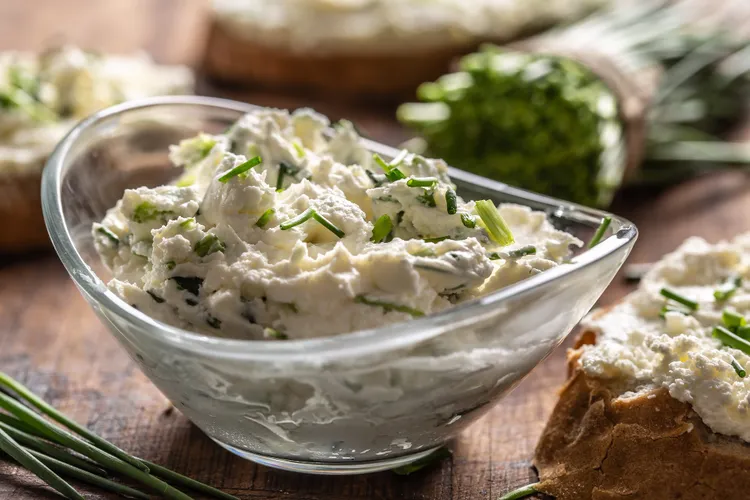
Finely chop a generous handful of soft herbs, parsley, dill, chives, and mint work particularly well together, and fold them into the whipped base at the very end so they stay bright and fresh rather than getting fully pureed. This direction works well for both feta and ricotta and is a good choice when you want something green and vibrant rather than a single dominant flavor.
Roasted Garlic
Squeeze the softened cloves from a whole head of roasted garlic directly into the food processor along with the cheese, and process as normal. Roasted garlic is much mellower and sweeter than raw garlic, so this adds real depth without the sharp bite raw garlic would bring to a cold dip.
Sun-Dried Tomato and Basil
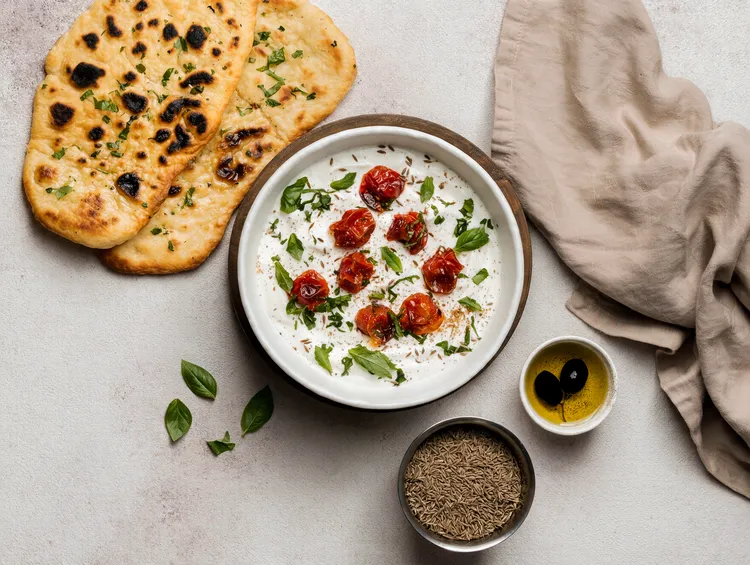
Finely chop 3 to 4 sun-dried tomatoes (oil-packed work best) and fold them into whipped feta along with a handful of torn fresh basil. This direction leans Italian rather than Mediterranean or Middle Eastern, and it pairs especially well with a crusty baguette rather than pita or crackers.
Everything Bagel Seasoning
Stir 1 to 2 tablespoons of everything bagel seasoning into whipped feta or ricotta, and finish with an extra sprinkle on top. This is one of the fastest options on this list, since it's a single pre-mixed seasoning rather than several separate ingredients, and it works particularly well spread on toast rather than served as a standalone dip.
Pesto Swirl
Rather than blending pesto fully into the base, swirl a few spoonfuls through the top of the finished whipped feta or ricotta with a knife or the back of a spoon, leaving visible green streaks. This keeps pesto's fresh basil and pine nut flavor distinct rather than muddying it into the base entirely.
Harissa and Preserved Lemon
Stir 1 to 2 teaspoons of harissa paste into whipped feta along with a teaspoon of finely chopped preserved lemon rind. This direction brings North African-leaning heat and a distinct, briny citrus note that's noticeably different from the brightness plain lemon juice adds, since preserved lemon's flavor develops through fermentation rather than staying simply fresh and sour.
Caramelized Onion
Fold in 1/3 cup of slow-cooked caramelized onions (cooled to room temperature first) for a deep, sweet, savory direction that works particularly well with whipped ricotta. The onions take 25 to 30 minutes of low, patient cooking to caramelize properly, which makes this one of the slower options on this list, but the depth of flavor is hard to replicate any faster way.
Smoked Paprika and Pine Nuts
Stir 1 teaspoon of smoked paprika into the base, then top with toasted pine nuts right before serving. The smokiness pairs especially well with feta and gives the dip a warmer, more autumnal character than most of the brighter, fresher directions on this list.
Balancing Add-Ins With the Base Ratio
Anything wet, like pesto, sun-dried tomato oil, or harissa, should be added gradually and tasted along the way, since too much can loosen the whipped texture past the point of holding its shape on a board. As a rough guideline, keep total wet add-ins to about 3 tablespoons per 8-ounce block of feta or 15 ounces of ricotta; beyond that, the base starts to lose the structure that makes it a proper whipped dip rather than a looser spread.
Building a Flavor Progression for a Party
If you're setting out more than one variation at a gathering, arrange them in a rough order from mildest to boldest, plain or roasted garlic first, then herb or pesto directions, then the boldest options like chili crisp or harissa. This lets guests naturally taste their way through the spread without a strong flavor overwhelming their palate before they've tried a milder one.
Where These Flavor Ideas Come From
Most of the mix-ins on this list borrow directly from existing pantry staples and spice blends already common in Mediterranean, Middle Eastern, and Italian cooking, rather than being invented specifically for this format. That's largely why they work so reliably: za'atar, harissa, and pesto all have decades, in some cases centuries, of established use pairing well with a tangy, creamy base, so applying them to whipped feta or ricotta is more a matter of recognizing an existing good pairing than discovering something entirely new.
Ras el Hanout and Golden Raisins
Stir a teaspoon of ras el hanout, a warm North African spice blend, into whipped feta or ricotta along with a small handful of finely chopped golden raisins for pockets of sweetness. This is a good option for anyone who's already comfortable with the za'atar or harissa directions and wants to keep exploring a similar regional flavor profile without repeating the same spice twice.
Furikake and Scallion
A less traditional but genuinely good direction: stir a tablespoon of furikake (the Japanese rice seasoning blend of sesame, seaweed, and salt) into whipped ricotta along with thinly sliced scallions. This gives a savory, umami-forward result that works particularly well as a topping for rice bowls or alongside grilled fish rather than the more typical bread-and-cracker pairing.
Frequently Asked Questions
Can I combine more than one of these mix-ins at once?
You can, though it's easy to overcrowd the flavor profile. Two complementary directions, like roasted garlic and fresh herbs, work well together; three or more distinct, strong flavors (za'atar, chili crisp, and sun-dried tomato all at once, for instance) tend to compete rather than combine.
Do I need to adjust the base recipe when adding a strong mix-in?
Usually not for dry or paste-based mix-ins like za'atar or harissa. For wetter additions like pesto or sun-dried tomato oil, consider reducing the olive oil in the base recipe slightly to compensate, so the final texture doesn't turn too loose.
Which mix-in is best for someone new to this style of dip?
Fresh herbs or roasted garlic are the safest starting points, since both add real flavor without introducing much heat, unfamiliar spice blends, or strong fermented notes that might not suit every palate.
How do I decide between adding a mix-in to feta versus ricotta?
Bolder, saltier, or spicier mix-ins (chili crisp, harissa, za'atar) generally pair better with feta's own assertiveness, while milder, sweeter, or more delicate additions (fresh herbs, furikake, caramelized onion) tend to suit ricotta's gentler base more naturally.
Keeping a Running List of Favorites
Once you've tried a handful of these directions, it's worth keeping a quick note of which combinations your household or regular guests responded to best, since preferences vary quite a bit and the "best" mix-in is really whichever one gets requested again the next time you're hosting.
Adjusting Quantities as You Experiment
The amounts given for each mix-in throughout this guide are reasonable starting points, not fixed rules. Start on the lower end of any suggested quantity, taste, and add more gradually, since it's far easier to intensify a flavor than to correct an overpowering one after the fact. This is especially true for potent additions like harissa or chili crisp, where a small difference in quantity has an outsized effect on the final result.
Building Seasonal Rotations
Rather than settling on one favorite mix-in year-round, consider rotating through a few options seasonally: brighter, herb-forward directions in spring and summer, and warmer, spice-forward directions like ras el hanout or smoked paprika as the weather cools. This keeps a familiar base recipe feeling fresh across an entire year of entertaining rather than repeating the exact same variation every time.
Repurposing Leftover Mix-In Ingredients
Most of the specific mix-ins covered here, harissa, za'atar, chili crisp, sun-dried tomatoes, are pantry staples with plenty of other uses beyond this specific dip, so buying a jar or container for one variation rarely goes to waste. A jar of harissa doubles as a marinade base, za'atar works well sprinkled over roasted vegetables, and chili crisp is a genuinely versatile condiment for eggs, noodles, and countless other weeknight dishes well beyond whipped cheese.
Encouragement to Experiment
Every mix-in covered across this guide started as someone's small experiment with whatever was already in their pantry, and the base whipped feta or ricotta technique is forgiving enough that there's very little real risk in trying an unlisted combination of your own. If a specific spice blend, condiment, or fresh ingredient sounds appealing paired with a tangy, creamy base, it's very likely worth a small test batch rather than assuming it has to appear on a list somewhere first.
The base recipe genuinely is the hardest part of this whole category to get right, and once that's mastered, everything covered in this roundup is simply a matter of stirring in something else you already like. Treat this list as a starting menu of proven directions rather than the full extent of what's possible, and expect to land on a personal favorite or two well beyond what's written here, since half the fun of a technique this flexible is discovering your own preferred combination through a bit of trial and error.
General Guidance for Building Your Own
Add wet ingredients (oils, pastes, purees) during the initial processing, and reserve anything with texture you want to keep visible (fresh herbs, seeds, crispy bits) for folding in by hand at the very end. Taste before adding salt, since several of these directions, za'atar, chili crisp, and everything bagel seasoning in particular, already bring a fair amount of salt on their own.
Documenting Your Own Ratios
As you settle on favorite combinations, jot down the exact quantities that worked well for you specifically, since taste preferences and specific product brands (a particular chili crisp, a specific za'atar blend) can vary enough that a written note saves having to re-figure the balance from memory the next time you want to recreate a favorite. This is a small habit, but it turns a one-time success into something reliably repeatable rather than something you have to reinvent from scratch each time.
Sourcing Specialty Ingredients
Za'atar, harissa, and preserved lemon are increasingly available in the international aisle of most well-stocked grocery stores, though a dedicated Middle Eastern or Mediterranean market will typically carry a better selection and fresher product if one is available nearby. Any of these keep well in the pantry for months once purchased, so a single trip usually stocks up on ingredients for several future batches rather than just one, which makes the initial shopping effort worth it even if you only plan to use a specific mix-in occasionally, since a well-stocked pantry pays off across many future gatherings, not just the next one, and it turns experimenting with a new mix-in into a low-effort decision rather than a special trip, which is exactly the kind of small convenience that keeps a technique like this one in regular use, rather than reserved for a single, occasional special-occasion appearance each year.
For the base technique behind all of these variations, see our classic whipped feta and whipped ricotta recipes, or head back to the complete whipped feta and ricotta guide for more.
Latest