Whipped Ricotta: The Base Recipe and Technique
The foundational whipped ricotta technique, including why draining matters more here than for almost any other whipped cheese.
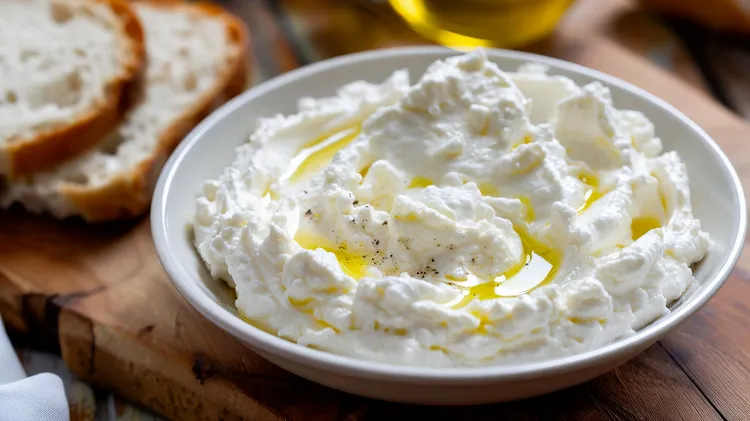
Ricotta whips into something closer to a light mousse than a dip, and the entire result hinges on one step most recipes skip: draining the ricotta before it ever hits the food processor.
Ingredients
- 15 oz whole-milk ricotta (whole milk, not part-skim, for a richer result)
- 2 tbsp olive oil
- 1/2 tsp fine salt
- 1 tsp lemon zest
- Freshly cracked black pepper
Instructions
- Drain the ricotta first: line a fine-mesh strainer with a paper towel or cheesecloth, add the ricotta, and let it sit over a bowl in the fridge for at least 30 minutes, up to a few hours if you have time.
- Discard the liquid that collects, which can be a surprising amount depending on the brand.
- Add the drained ricotta to a food processor along with the olive oil and salt.
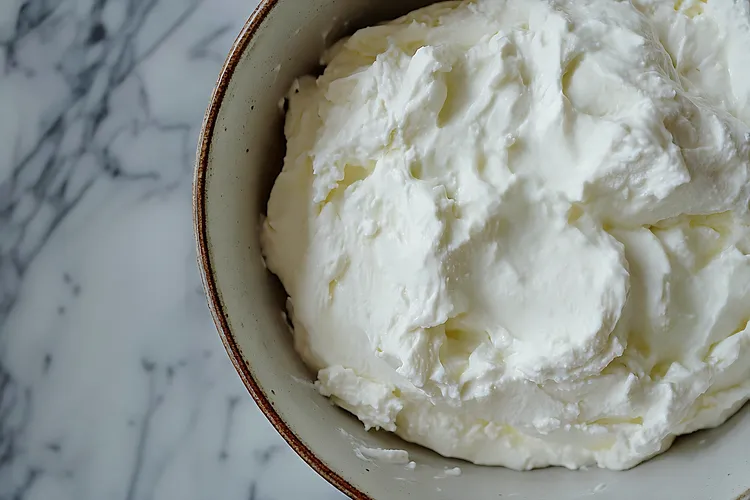
- Process for 60 to 90 seconds, scraping down the sides once halfway through, until the mixture turns pale, glossy, and noticeably fluffier than when it started.
- Fold in the lemon zest by hand at the end so it stays fresh rather than getting fully pulverized into the base.
- Transfer to a serving bowl and finish with olive oil and pepper.
Nutrition (per serving, about 2 tbsp)
- Calories: ~75 kcal
- Protein: 4g
- Carbs: 2g
- Fats: 6g
Why Draining Matters So Much Here
Ricotta is packed in a fair amount of whey, and that extra liquid is the single biggest reason a whipped ricotta turns out loose or soupy instead of light and spoonable. Feta doesn't have this problem to the same degree because it's a firmer, denser cheese to begin with, which is part of why the two techniques aren't interchangeable even though the final dips look similar.
How Long to Process
Ricotta needs longer in the food processor than feta does, usually 60 to 90 seconds rather than 30 to 45, because its curds are smaller and softer and take more mechanical work to fully aerate. Stop as soon as the texture turns glossy and light; ricotta's proteins can break down too far if it's overprocessed, which shows up as a slightly gluey, overly smooth texture that's actually a step backward from properly whipped.
Whole Milk vs Part-Skim
Whole-milk ricotta whips into a noticeably richer, more stable result, since the extra fat helps carry air without breaking down. Part-skim ricotta works in a pinch but tends to stay slightly looser and doesn't hold its shape on a board the same way, so it's the better choice for a spoonable dip rather than a scoopable one.
Savory or Sweet
This base recipe leans savory, but ricotta's mild flavor makes it just as suited to a dessert direction. See our sweet whipped ricotta recipe for the honey, citrus, and vanilla version, which uses the exact same draining and whipping technique with a different finish.
Make It Ahead
Whipped ricotta keeps well for a few days in the fridge in a sealed container, though it does firm up slightly when chilled. Let it sit at room temperature for 15 to 20 minutes before serving to bring back its light texture. Full timing and freezing guidance is in our storage guide.
Store-Bought Ricotta vs Homemade
Store-bought ricotta works perfectly well for whipping and is what most of the recipes in this guide assume you're using. Homemade ricotta, made by curdling milk with an acid like lemon juice or vinegar, has a fresher, slightly sweeter flavor and often a firmer curd that holds up a little better under processing. If you already make your own ricotta, it's worth trying here, but it's not a requirement; a good quality store-bought whole-milk ricotta gets you most of the way to the same result with far less effort.
Scaling and Batch Sizes
This recipe scales up cleanly for a larger gathering. Double the ingredients and drain the ricotta in two batches if your strainer isn't large enough to hold the full amount at once, since overcrowding the strainer slows down draining considerably. When it comes to the food processor step, keep batches to around 30 ounces of ricotta or less per run; much more than that and the processor struggles to fully aerate everything evenly, leaving pockets of unwhipped ricotta at the edges of the bowl.
Common Mistakes to Avoid
Skipping the draining step is the single most common reason a whipped ricotta turns out loose and soupy rather than light and stable. The second most common mistake is underprocessing; ricotta needs a full 60 to 90 seconds in most food processors to fully aerate, noticeably longer than feta does, and stopping early leaves a grainy, unwhipped texture that doesn't fully resolve no matter how long you let it sit afterward.
What the Drained Liquid Actually Is
The liquid that collects during draining is mostly whey, the same watery byproduct left over from cheesemaking, along with some dissolved milk proteins and a bit of residual salt. It's not a sign anything is wrong with the ricotta; even good quality, fresh ricotta releases a surprising amount of this liquid once it's disturbed and given time to settle, sometimes as much as a quarter cup from a standard 15-ounce container. Some cooks save this liquid to use in place of some of the water in a bread or pasta dough, where its protein content adds a bit of extra richness, though this is entirely optional and most people simply discard it.
Adjusting for Ricotta Brand Differences
Ricotta brands vary more than most cheeses in moisture content and curd size, which is part of why draining time can range from 30 minutes to a couple of hours depending on what you buy. A denser, drier ricotta from a specialty or Italian grocery often needs less draining time than a wetter, more watery supermarket version. If you're using a brand for the first time, check the strainer after 20 minutes; if very little liquid has collected, you likely have a naturally drier ricotta and can proceed to blending sooner than the full recommended window.
Using Whipped Ricotta as a Cooking Ingredient
Beyond serving it as a dip or toast topping, whipped ricotta works well folded into other dishes where you'd normally use plain ricotta but want a lighter result, such as layered into a lasagna, dolloped over a finished pizza right out of the oven, or stirred into a warm risotto at the very end for extra creaminess. Because it's already been aerated, it tends to melt and integrate a bit more smoothly into a hot dish than ricotta straight from the container.
A Note on Salt Timing
Add salt gradually and taste as you go, since ricotta's own sodium content is fairly mild and variable by brand, unlike feta, which usually carries most of its salt built in already. Start with a modest 1/4 teaspoon for a standard 15-ounce batch, taste after the first full minute of processing, and add more only if the finished result actually tastes underseasoned rather than assuming it needs more from the outset.
Frequently Asked Questions
Do I need to drain ricotta if it seems fairly dry already?
It's still worth draining for at least 20 to 30 minutes even if the container looks relatively solid, since ricotta almost always releases some whey once it's disturbed and left to sit, even when it doesn't look particularly wet straight out of the tub.
Can I whip ricotta without a food processor?
Yes, a hand mixer with beater attachments does a genuinely good job, sometimes even better than a food processor since beaters are specifically designed to incorporate air. See our full tools guide for how each appliance compares.
Why did my whipped ricotta turn gluey instead of light?
This usually means it was overprocessed. Ricotta's proteins can break down too far with extended blending, which shows up as an overly smooth, slightly rubbery texture instead of a light, airy one. Stop as soon as the mixture looks glossy and noticeably lighter, generally well under two minutes.
A Simple Way to Test Doneness
Beyond watching for color and gloss, press a small spoonful of the whipped ricotta against the side of the bowl; it should hold a soft, slightly domed shape rather than slumping flat immediately. If it slumps right back down, give it another 15 to 20 seconds of processing and test again.
Pairing With Wine
Whipped ricotta's mildness makes it especially flexible with drinks. A light Pinot Grigio or a dry Prosecco both complement the base recipe without overwhelming it, and either pairs particularly well if you're serving the savory version with fresh herbs rather than the sweeter direction.
Understanding Ricotta's Curd Structure
Ricotta is unusual among cheeses in that it's made from whey rather than curdled milk directly, which is exactly why its structure is so much softer and finer than a typical rennet-set cheese like feta. That fine, delicate curd is easy to break down mechanically, which is why whipped ricotta achieves such a light, almost mousse-like texture, but it's also why overprocessing damages it more easily than it would a sturdier cheese; there's simply less structural integrity to begin with, so it collapses into a gluey texture faster once pushed past the ideal point.
Container Size for Draining
Use a strainer wide enough that the ricotta sits in a relatively thin, even layer rather than piled deep in a narrow container, since a thinner layer drains more evenly and quickly than a deep pile where the bottom portion stays wet even after the top has released most of its liquid. A standard fine-mesh strainer set over a medium bowl, with the ricotta spread to about an inch or so deep, works well for a standard 15-ounce container.
A Realistic Timeline for a Weeknight
Between draining and whipping, this recipe takes roughly 40 minutes to an hour total, though only about 5 minutes of that is active hands-on work; the rest is passive draining time where the ricotta sits in the fridge while you handle other parts of dinner. This makes it a reasonable addition even to a normal weeknight meal, not just a planned entertaining occasion, since the actual effort involved is genuinely minimal.
Final Tips Before Your First Batch
Set a timer for the draining step rather than relying on memory, since it's easy to lose track of time and either underdrain or overdrain the ricotta if you're handling other tasks in the meantime. Keep a small taste of the plain, unwhipped ricotta on hand before you start, so you have a baseline for comparing how much the flavor and texture change once it's fully processed; the difference is more noticeable than most people expect the first time they try this.
What Success Looks Like
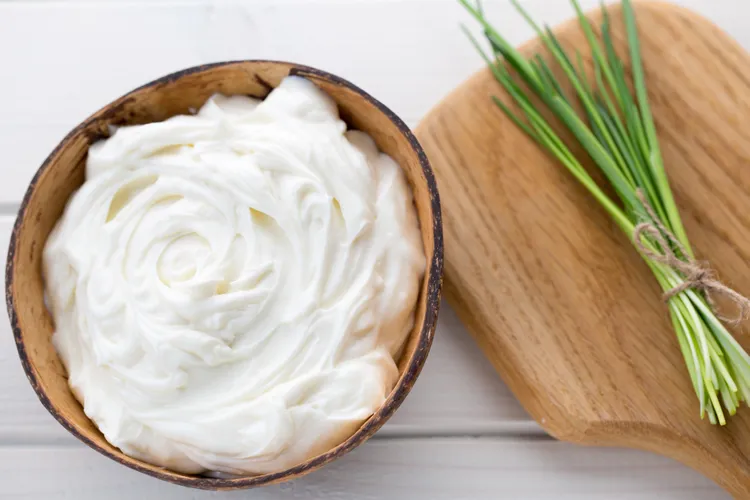
A well-executed batch should be pourable off a spoon in slow, thick ribbons rather than sitting stiffly in place, noticeably lighter in both color and weight than the ricotta you started with, and free of any grainy texture on the tongue. Reaching that result consistently is really just a matter of following the draining and processing steps closely the first couple of times, after which the technique becomes second nature. Once you've made it once and know what to look and feel for, every batch after that gets faster and more intuitive, to the point where checking a recipe card at all becomes unnecessary.
Can I add flavor directly to this base rather than keeping it plain?
Yes, this base is intentionally kept neutral so it can go either savory or sweet from here. See our sweet variation or the broader mix-in roundup for specific directions to take it.
What to Use It On
Beyond a straightforward dip, whipped ricotta is genuinely good on toast, which is one of its more underrated formats. See our toast topping guide for both savory and sweet combinations built on this exact base.
For how whipped ricotta stacks up against feta and a couple of other whipped cheeses, see our comparison guide, or head back to the complete whipped feta and ricotta guide for the full picture.
Latest