Whipped Feta and Whipped Ricotta: The Dip Everyone's Making Right Now
A complete guide to whipped feta and whipped ricotta - the base technique, every popular flavor direction, and how to serve them right.
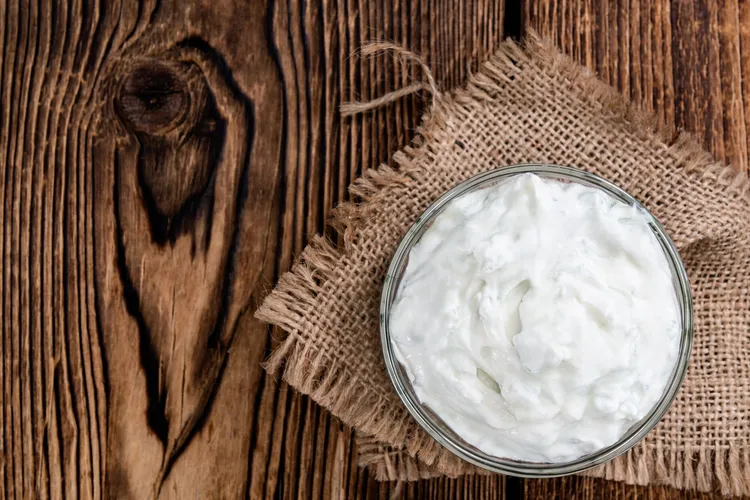
Whipped feta and whipped ricotta have taken over the appetizer table for a simple reason: a food processor and five minutes turn two ordinary blocks of cheese into something that reads as restaurant food. Neither one is new. What's new is how often they're showing up in place of hummus, and how far people are pushing the flavor directions once they realize how forgiving the base technique actually is.
What These Two Dips Actually Are
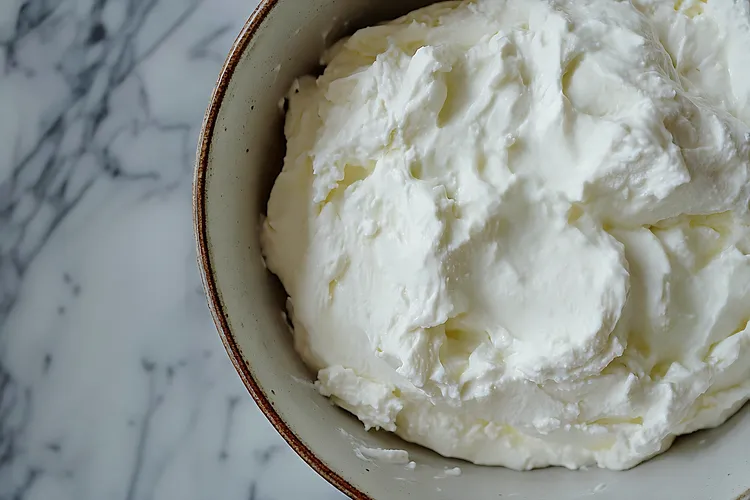
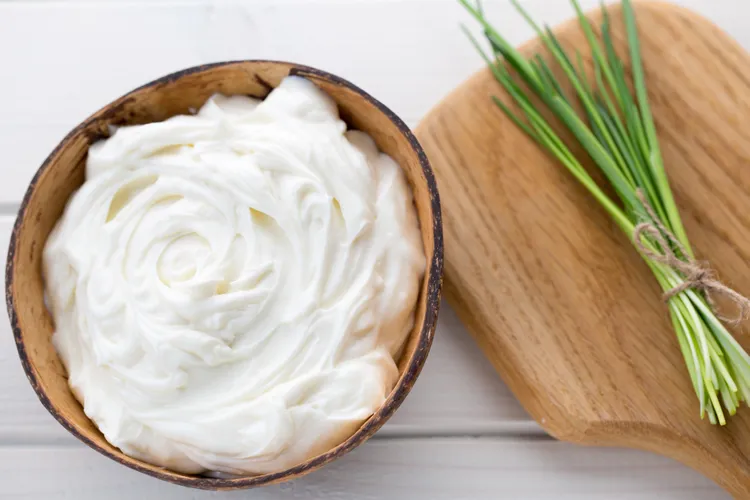
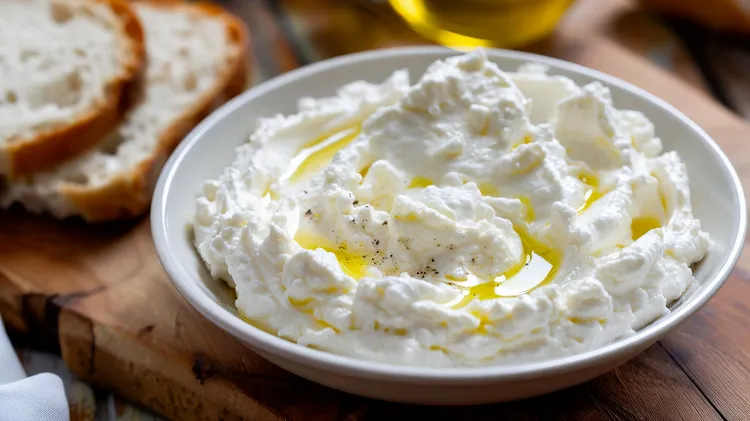
Whipped feta is feta cheese blended with a softening agent, usually cream cheese, Greek yogurt, or olive oil, until it turns from crumbly to spreadable and aerated. Whipped ricotta skips the softening agent entirely, since ricotta is already soft, and instead relies on air incorporated during blending to loosen its grainy curd into something closer to a mousse. Both rely on the same basic mechanical trick: high-speed blending breaks down the cheese's structure and folds in air, which changes texture without changing flavor much at all.
Why This Specific Trend, Right Now
The short version is that whipped feta and ricotta hit three things people currently want from an appetizer at once: they photograph well, they take almost no active skill, and they read as more considered than a bag of chips and a tub of store-bought dip. Our explainer on why this specific format is having a moment gets into the longer version, including why it followed whipped coffee and cloud bread down a similar path.
The Base Technique, for Both Cheeses
Feta and ricotta don't whip the same way, and treating them identically is the most common reason people end up with something grainy or soupy instead of smooth. Our classic whipped feta recipe covers the specific ratio of feta to cream cheese or yogurt that gets a silky result every time, while the whipped ricotta base recipe covers draining ricotta properly first, which matters more here than in almost any other step.
Both techniques come down to processing time and fat content. Underwhip either cheese and it stays grainy; overwhip ricotta specifically and it can turn slightly gluey as its proteins break down too far. Neither cheese needs more than 60 to 90 seconds of continuous processing in a good food processor, and both benefit from scraping down the sides once partway through.
Choosing a Flavor Direction
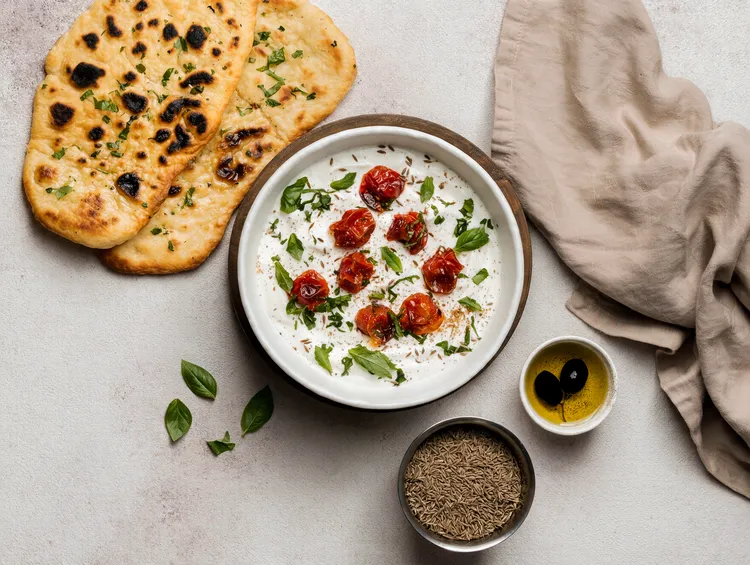
Once the base is right, flavor is where whipped feta and ricotta earn their reputation as one of the more versatile appetizer formats available. Hot honey whipped feta is currently the most-requested variation, pairing sweet heat with feta's natural saltiness in a way that's hard to stop eating. Whipped feta topped with blistered cherry tomatoes takes the savory route in the other direction, warm and jammy against the cold, tangy base underneath.
Ricotta leans more naturally toward dessert. Sweet whipped ricotta, built around honey, citrus zest, or a splash of vanilla, turns the same base technique into a toast topping or a light dessert spread rather than a savory dip, which is part of why ricotta has more range across a single meal than feta does.
Feta, Ricotta, Labneh, or Boursin
Feta and ricotta aren't the only cheeses that whip well, and picking the wrong one for a specific use case is a common source of disappointment. Our comparison of whipped feta, whipped ricotta, labneh, and Boursin breaks down tang, saltiness, and richness across all four so you're not guessing which one fits a given recipe or occasion.
Getting the Texture Right With the Tools You Actually Own
A food processor is the standard tool for this, but it isn't the only one that works, and some tools genuinely produce a better result than others depending on the cheese. Our equipment guide covers how a blender, hand mixer, and stand mixer each perform against a food processor, and which one to reach for if you don't own the "right" appliance.
The Dairy-Free Version
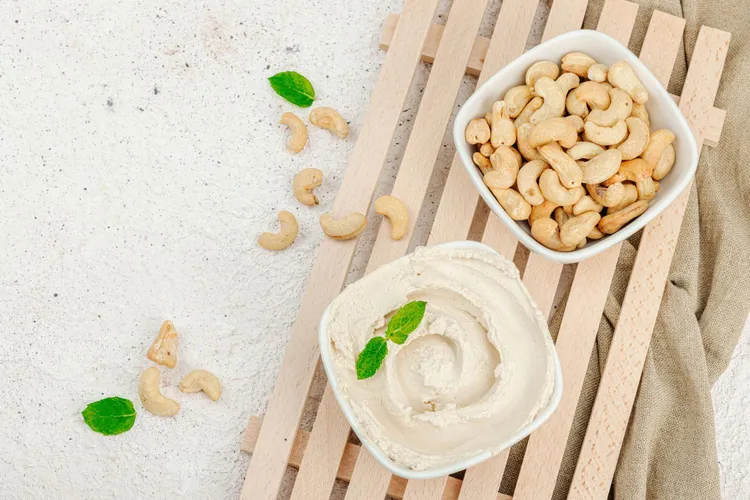
Both dips depend on real dairy fat and protein structure for their texture, which makes a convincing dairy-free version harder than it looks. Our dairy-free whipped feta and ricotta guide covers the cashew and tofu-based approaches that get close, along with where they genuinely fall short of the real thing.
Making It Ahead and Storing It
Both dips hold up well in the fridge for several days, which makes them a genuinely useful make-ahead option for entertaining rather than a last-minute scramble. Our storage and make-ahead guide covers exactly how long each version keeps, whether either freezes well, and how to bring a chilled dip back to its right texture before serving.
Serving It Right
A bowl of whipped feta or ricotta by itself is fine. Built into a proper spread, it's the centerpiece. Our guide to building a whipped dip board covers what to put around it for a spread that looks intentional rather than thrown together, and our pairing guide narrows down specifically which breads, crackers, and vegetables work best against each flavor direction.
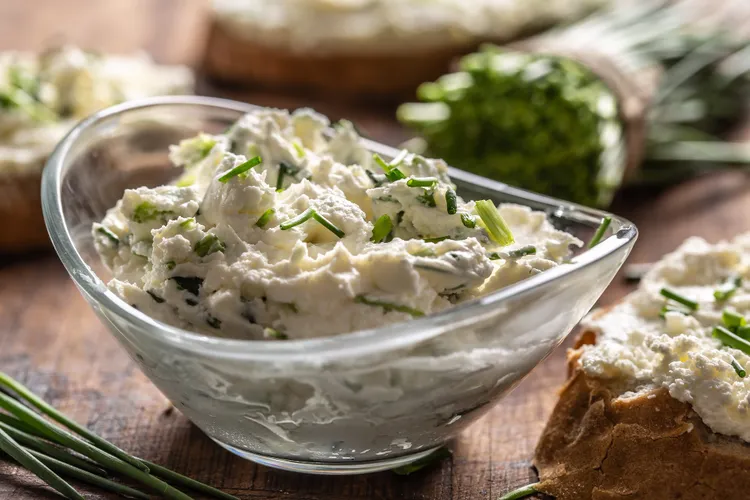
If you want to keep building on the base flavor once you've nailed the classic version, our roundup of mix-in flavors covers za'atar, chili crisp, and fresh herb combinations that each take the same five-minute base in a different direction.
Beyond the Dip Bowl
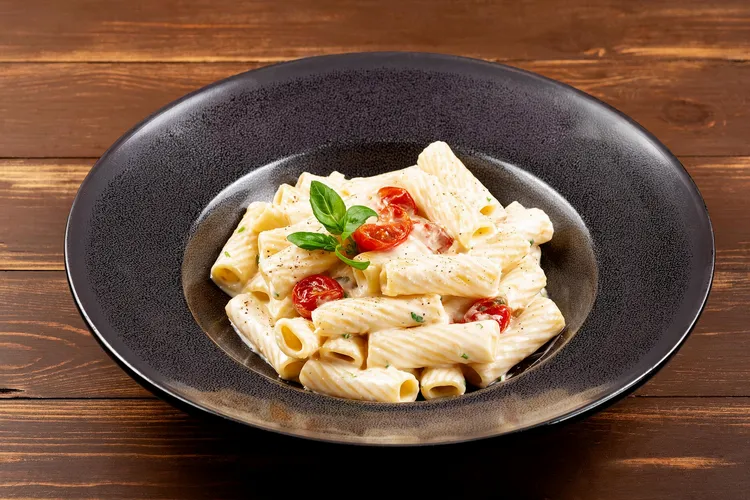
Both cheeses do real work outside of a dip bowl too. Whipped feta makes a genuinely fast pasta sauce when thinned slightly and tossed with hot pasta water, and whipped ricotta on toast covers both the savory breakfast route and the sweeter afternoon-snack route with the same base recipe.
A Short History of Whipping Cheese
Whipping soft cheese into a lighter, spreadable texture isn't new. French boursin-style cheeses, Middle Eastern labneh, and Italian mascarpone-based spreads have all relied on the same basic idea for decades: soft, high-fat dairy aerates well and takes on a completely different mouthfeel once air is mechanically worked into it. What's new about the current moment is scale. A technique that used to live mostly in restaurant kitchens, where a food processor and a few minutes of staff time were a given, has moved into home kitchens now that food processors are common countertop appliances rather than a specialty tool.
Common Mistakes Across Both Versions
A handful of mistakes show up repeatedly regardless of which cheese you're whipping. Using pre-crumbled feta instead of a block is the most common one, since the starch coating on pre-crumbled feta resists breaking down smoothly. Skipping the draining step on ricotta is a close second, leaving the finished dip loose and slightly watery instead of light and stable. Overprocessing either cheese past the point where it turns glossy and smooth can also work against you, particularly with ricotta, whose proteins can break down too far and turn faintly gluey rather than airy.
Adding salt before tasting is another frequent misstep, since feta brands vary enormously in how salty they are straight out of the package; some brands need barely any additional salt, while others taste flat without a pinch more. Always taste the base before reaching for the salt shaker, for either cheese.
Cost and Scaling for a Crowd
Both dips are inexpensive relative to how far they stretch. An 8-ounce block of feta plus 4 ounces of cream cheese typically runs somewhere in the $6 to $9 range depending on your grocery store and brand, and yields enough dip for 6 to 8 people as part of a larger spread. Ricotta is similarly priced per pound. For a bigger gathering, both recipes scale up cleanly by simply doubling every ingredient and running the food processor in two batches rather than overloading it in one go; overfilling a food processor bowl is one of the more common reasons a larger batch doesn't whip as smoothly as a smaller one did.
A Note on Ingredient Quality
Because both dips are built from so few ingredients, the quality of each one matters more than it would in a dish with a dozen components to hide behind. A block of feta packed in brine typically tastes noticeably better and fresher than a pre-crumbled, vacuum-sealed version, even from the same brand. Similarly, a good, fruity olive oil used specifically for finishing (rather than the same bottle you cook with daily) makes a real, noticeable difference in the final flavor of either dip, since it's often the very last thing that hits the tongue.
The Science of Why Whipping Works
Both feta and ricotta are structured differently at a microscopic level than a firm, aged cheese like cheddar or parmesan. Feta's curd is loosely bound and crumbly, which means mechanical agitation, whether from a food processor blade or a hand mixer's beaters, breaks those loose bonds apart easily and redistributes fat and moisture evenly through the mixture. Ricotta's curd is even softer, essentially small clusters of coagulated whey protein suspended in liquid, which is why it takes to whipping so readily once excess moisture is removed through draining. In both cases, the added fat, from cream cheese, olive oil, or the cheese's own natural fat content, acts as the medium that traps tiny air bubbles introduced by blending, giving the finished dip its lighter, mousse-like structure. This is fundamentally the same principle behind whipping cream or creaming butter and sugar; different starting ingredients, same underlying mechanism of trapping air within a fat matrix.
Ingredient Substitutions Across the Whole Guide
A few substitutions come up repeatedly across the recipes in this guide and are worth addressing once rather than separately in each article. Cream cheese can generally be swapped for full-fat Greek yogurt or mascarpone in any whipped feta recipe, with Greek yogurt giving a lighter, tangier result and mascarpone giving a richer, sweeter one. Olive oil can be swapped for a neutral oil if you want a milder background flavor that lets other add-ins stand out more clearly. Lemon juice can generally be swapped for a splash of white wine vinegar in a pinch, though the flavor will read slightly sharper and less floral than fresh citrus.
Planning a Menu Around This Trend
Because both dips work equally well as a first course, a side dish, or even repurposed into a main (as in our pasta sauce variation), they're a genuinely flexible anchor for planning an entire menu around, not just a single appetizer slot. A typical approach is to open with one of these dips and bread or vegetables, follow with a protein and simple side that doesn't compete with the dip's flavor profile, and finish with something light, since either whipped cheese is rich enough that guests are usually satisfied without needing a heavy dessert afterward.
A Quick-Reference Timeline for Entertaining
For anyone planning to serve this at a specific event, a rough timeline helps keep the moving parts straight. Two days ahead: make the base whipped feta or ricotta and store it properly sealed in the fridge, following the guidance in our storage guide. The morning of: shop for and prep any fresh toppings, wash vegetables, slice fruit, portion out bread. An hour before guests arrive: set out anything shelf-stable, bread, crackers, cured meats, following the layout ideas in our board guide. Fifteen minutes before serving: bring the dip out of the fridge, add any warm toppings like blistered tomatoes, and finish with the final garnish.
What Beginners Get Wrong Most Often
Beyond the mistakes already covered, first-timers most often underestimate how much air a proper whip actually incorporates, stopping the food processor too early because the mixture already looks "smooth enough" without actually being lighter and paler than when it started. The visual and textural change between an underwhipped and a properly whipped batch is more dramatic than most people expect the first time they make either version, so it's worth trusting the full recommended processing time even if the mixture looks done a bit earlier.
Where This Guide Goes Next
Between the two base recipes, the flavor variations, the comparison to other whipped cheeses, the tool and storage guidance, and the serving advice covered across this guide, there's enough here to take whipped feta and ricotta well beyond a single party appetizer and into a genuinely useful, repeatable part of a regular cooking rotation, for entertaining and for weeknight dinners alike.
Is It Worth the Hype
Whipped feta and ricotta earn their popularity honestly. The technique is close to foolproof, the ingredient list is short, and the results genuinely look and taste like more effort than they take. That's a rare combination, and it's the real reason this trend has stuck around longer than most single-ingredient food moments do.
Latest