Whipped Ricotta Toast: Toppings and Combinations
Savory and sweet whipped ricotta toast combinations built on the same base recipe, from breakfast to an afternoon snack.
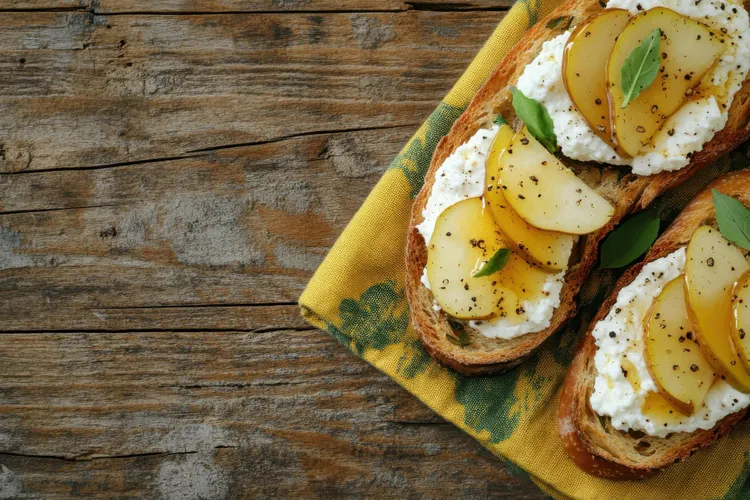
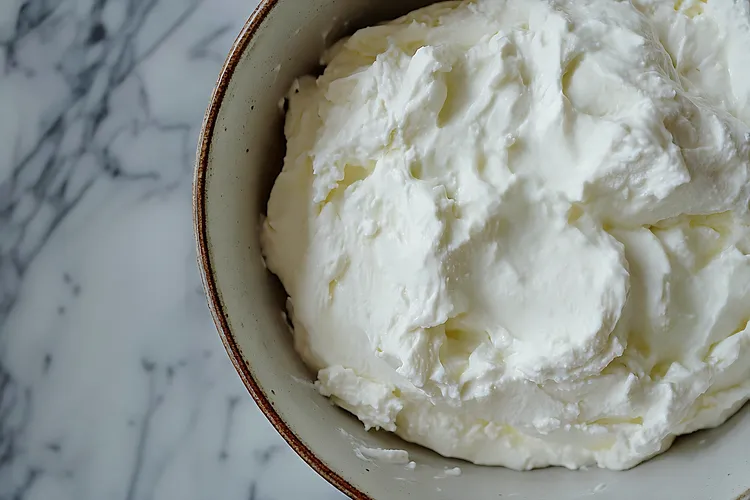
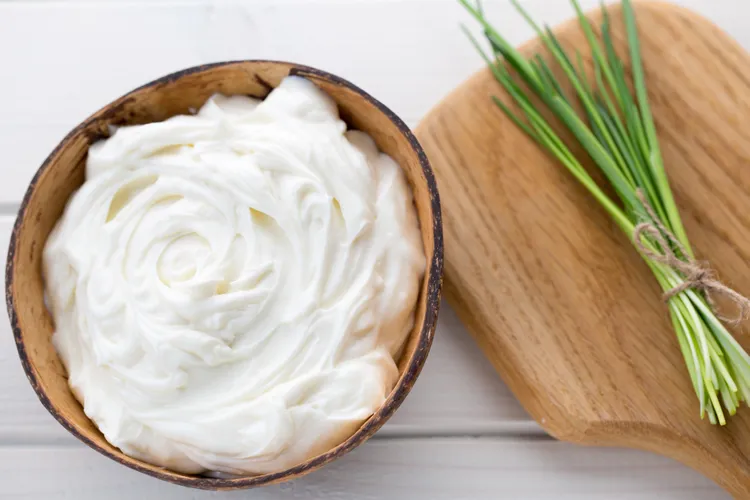
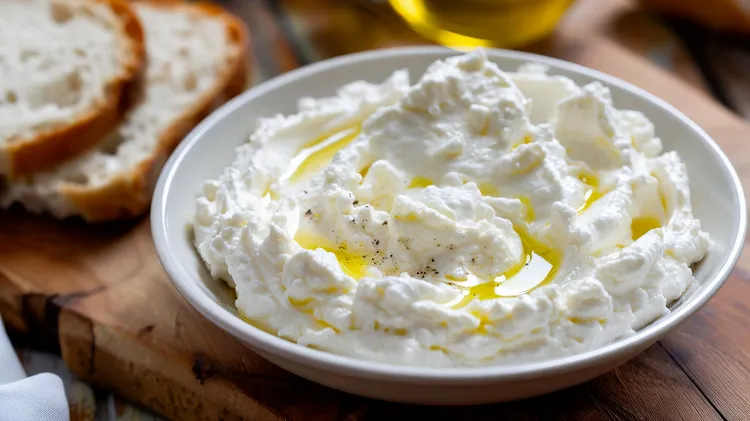
Whipped ricotta's light, spreadable texture makes it one of the better toast toppings available, holding up better than plain ricotta straight from the tub and spreading more evenly than a thicker cream cheese.
The Base Toast Method
Toast thick slices of a sturdy bread, sourdough or a country loaf both work well, until deeply golden and firm enough to hold a generous layer of topping without going soggy. Spread a thick layer of whipped ricotta across the warm toast; the slight warmth from the toast helps loosen the ricotta just enough to spread easily without melting it.
Savory Combinations
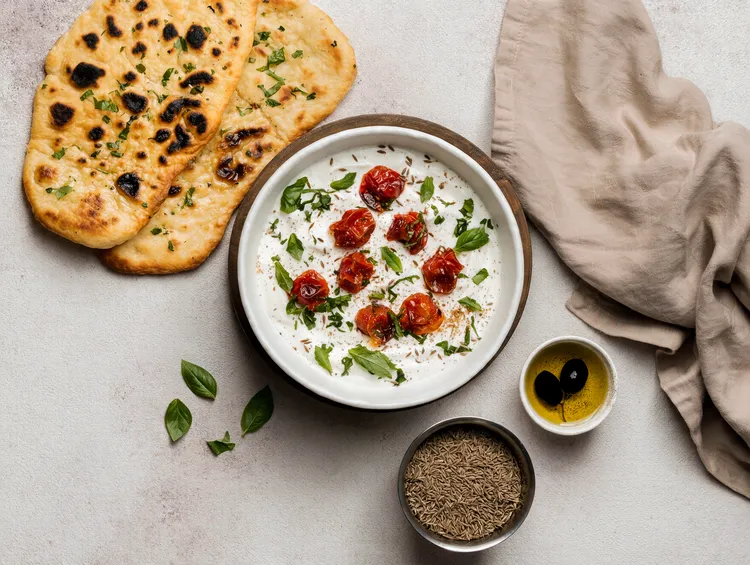
- Roasted tomato and basil: Halved cherry tomatoes roasted at 400°F for 15 minutes until jammy, spooned over the ricotta with torn basil and a drizzle of olive oil.
- Prosciutto and fig: A few thin slices of prosciutto and quartered fresh figs, finished with a drizzle of honey and cracked black pepper.
- Everything bagel and smoked salmon: Ricotta mixed with a spoonful of everything bagel seasoning, topped with a few slices of smoked salmon and thinly sliced red onion.
- Roasted mushroom and thyme: Mushrooms sautéed until deeply browned with fresh thyme, spooned warm over the ricotta.
Sweet Combinations
- Honey and toasted walnuts: A drizzle of honey and a scattering of toasted, roughly chopped walnuts over the ricotta.
- Berries and lemon zest: Fresh mixed berries with a bit of lemon zest, using the sweet whipped ricotta as the base.
- Roasted stone fruit: Peach or nectarine halves roasted until caramelized at the edges, sliced and layered over the ricotta.
- Cinnamon and maple: Ricotta mixed with a touch of cinnamon, finished with a drizzle of maple syrup instead of honey.
Getting the Bread Right
A sturdy, slightly crusty bread holds up better under a wet or juicy topping than a soft sandwich loaf, which tends to go soggy within a minute or two. Toast the bread until it's genuinely deep golden brown, not just warmed through, since a well-toasted surface actually resists moisture from the toppings far better than a lightly toasted one.
Building for a Crowd
For a brunch spread, toast several slices at once, spread the ricotta base across all of them, and set out two or three toppings on the side so guests can build their own. This works particularly well alongside the whipped dip board concept, treating toast as a build-your-own station rather than a single fixed topping.
Choosing the Right Bread
Sourdough is the most forgiving choice here, sturdy enough to hold a generous layer of ricotta and whatever's piled on top, with enough tang of its own to complement rather than disappear under a savory topping. A country-style whole wheat loaf works especially well for sweeter combinations, since its slight nuttiness pairs naturally with honey, fruit, and toasted nuts. Avoid pre-sliced sandwich bread for this specifically; it's usually too thin and too soft to hold up once a wet topping like roasted tomatoes or fresh fruit goes on.
More Combinations Worth Trying
- Avocado and chili crisp: Sliced avocado over the ricotta with a drizzle of chili crisp and a squeeze of lime
- Fig jam and blue cheese crumbles: A spoonful of fig jam with a few crumbles of blue cheese for a sharper, more grown-up combination
- Roasted grapes: Grapes roasted at 400°F for 15 minutes until they burst, spooned warm over the ricotta with a drizzle of balsamic reduction
- Pesto and toasted pine nuts: A spoonful of store-bought or homemade pesto swirled over the ricotta, finished with toasted pine nuts
Turning This Into a Brunch Spread
Set out several slices of toasted bread pre-spread with plain whipped ricotta, then lay out three or four toppings in small bowls (roasted tomatoes, fresh berries, honey, toasted nuts) so guests can build their own combination. This works well alongside the same board-building approach covered elsewhere in this guide, just shifted toward a brunch context with toast in place of crackers.
Portioning for a Crowd
Plan for about 2 slices of toast per person if this is part of a larger brunch spread with other dishes, or closer to 3 slices per person if it's the primary offering. A single batch of the base whipped ricotta recipe covers roughly 8 to 10 slices of toast, depending on how generously you spread it, which makes it easy to scale for a bigger gathering by simply doubling the base recipe rather than adjusting individual toast portions.
Making It a Sit-Down Course Instead of a Buffet
For a more composed, plated brunch rather than a self-serve spread, cut toasted bread into smaller pieces (crostini-sized rather than full slices) and top each individually with a specific combination, then arrange several on a single plate per guest. This turns the same base recipe into a more restaurant-style tasting course rather than a casual help-yourself spread.
A Note on Serving Temperature
Whipped ricotta straight from the fridge is noticeably firmer and harder to spread evenly than at room temperature, so pull it out about 15 minutes before assembling toast if you have the time. The warmth of freshly toasted bread also helps loosen the ricotta slightly on contact, which is part of why toasting the bread just before spreading, rather than using bread that's already cooled, gives a noticeably better result.
Balancing Sweet and Savory in One Sitting
For a brunch spread that offers both directions at once, make one full batch of the plain base recipe for savory toppings and a separate batch of the sweet version for dessert-leaning toppings, rather than trying to make one batch serve both purposes. The two versions have different added ingredients from the start, so splitting them keeps each topping direction tasting properly balanced.
Frequently Asked Questions
Can I prep the toast ahead for a brunch and reheat it?
Toast the bread ahead and keep it at room temperature, then re-crisp briefly in a toaster or oven right before topping, rather than assembling the full toast ahead of time and reheating, which turns the ricotta and toppings unevenly warm.
Is whipped ricotta better than plain ricotta on toast?
Whipped ricotta spreads far more evenly and has a noticeably lighter, less grainy mouthfeel than ricotta straight from the container, which is the whole reason it's worth the extra five minutes of processing for a toast application specifically.
What's the best cheese-to-bread ratio?
A generous 2 to 3 tablespoon layer per slice of standard-size toast is usually right, enough to taste in every bite without overwhelming the toast itself or making it too heavy to eat easily by hand.
Can this be made into an open-faced sandwich for lunch rather than a brunch item?
Yes, the savory combinations in particular, roasted mushroom and thyme or prosciutto and fig especially, work well as a light open-faced lunch alongside a simple green salad.
Adjusting Toast Thickness
A slice cut about three-quarters of an inch thick strikes the best balance for this purpose, thick enough to hold a generous layer of ricotta and toppings without becoming soggy, but not so thick that it's unwieldy to eat by hand. Thinner slices work fine too but hold noticeably less topping and can bend under a heavier combination like roasted mushrooms.
Choosing Between a Toaster and a Skillet
A standard toaster works fine for a quick, simple version, but toasting bread in a skillet with a small amount of butter or olive oil gives a noticeably better crust and more even browning, particularly useful when the topping is on the richer or wetter side. For a brunch spread where presentation matters more than usual, the skillet method is worth the small amount of extra attention it takes compared to dropping bread straight into a toaster.
Garnishing for Visual Appeal
A final scattering of flaky salt, a few cracks of black pepper, or a scattering of microgreens elevates the visual presentation of any of these combinations without adding meaningful prep time. Since ricotta's pale color provides a neutral backdrop, most toppings and garnishes stand out clearly against it, which is part of why this format photographs so well for anyone sharing food online.
Between the savory and sweet directions covered here, whipped ricotta toast is genuinely one of the more flexible ways to use this base recipe across an entire week, breakfast one day, a light lunch the next, and a simple dessert-adjacent snack another, all built on the exact same five-minute technique described in our base recipe.
Toast is an easy format to underestimate, but the quality of what's spread on top makes all the difference between a forgettable slice of bread and a genuinely satisfying small meal. Whipped ricotta, with its light texture and flexibility across sweet and savory directions, is one of the more reliable ways to elevate that format without adding much time or complexity to the process, which is exactly why it's worth keeping in a regular weekly rotation rather than saving it for a special occasion alone.
Make-Ahead Tips
Whipped ricotta itself keeps well for a few days (see our storage guide), but assemble the toast itself right before serving; both the toast and any fresh fruit toppings lose their texture quickly once combined and left to sit.
A Format Worth Returning To
Once you've tried even one or two of the combinations covered here, whipped ricotta toast tends to become a genuine standby rather than a one-time novelty, precisely because the base takes so little time to make and the topping possibilities are broad enough to avoid ever feeling repetitive across regular use. Keeping a batch on hand through a busy week opens up a reliable, better-than-average breakfast or light meal option with almost no added effort each morning.
Considering This for a Cheese Course Alternative
For a dinner party where a traditional cheese course feels like too much after a full meal, a single slice of savory whipped ricotta toast, topped with something like fig and prosciutto or roasted grapes, works as a lighter, more composed alternative that still delivers a similar sense of occasion without the heavier volume of a full cheese board, and it comes together with noticeably less advance planning than sourcing and arranging several different cheeses would require, while still leaving guests with something genuinely memorable to close the meal.
A Note on Reheating Savory Toppings
For savory toppings that benefit from a bit of warmth, roasted mushrooms or blistered tomatoes especially, a quick 30 to 60 seconds in a hot skillet right before assembling revives them nicely if they were made ahead and refrigerated, restoring much of their original texture without needing to cook a fresh batch each time, and saving real effort on a morning when time is genuinely tight, which is often exactly when a reliably good breakfast matters the most, more than any elaborate weekend spread ever could, no matter how many toppings that weekend version manages to pack in.
Keeping This in Rotation
Between the base recipe's short prep time and the sheer number of topping directions covered here, there's very little reason for whipped ricotta toast to become a one-time experiment rather than a genuine regular in your kitchen. A single batch of the base recipe easily covers several days' worth of different toast combinations, which makes the small upfront effort of draining and whipping the ricotta pay off many times over across a single week.
For the base ricotta recipe behind all of these combinations, see our whipped ricotta base recipe, or head back to the complete whipped feta and ricotta guide.
Latest