Cookie Dough Math: How Fat-to-Flour Changes Chewy vs. Crispy
Chewy or crispy cookies come down to one number: how much fat you're using relative to flour. Once you see the ratio, you can push any recipe in either direction on purpose.

Chewy and crispy cookies aren't different recipes, they're the same base ingredients in different proportions. The single biggest lever is fat relative to flour: more fat (and more of it melted or softened rather than solid) pushes toward thin and crisp, less fat and more flour structure pushes toward thick and chewy. Once you can see that ratio, you can take almost any cookie recipe and bend it either direction on purpose.
The Core Mechanic
Flour provides structure through gluten and starch. Fat interrupts that structure, coating flour particles and limiting how much gluten develops, which is why fat is called a "tenderizer" in baking. The more fat you have relative to flour, the softer and more spreadable the dough is, both before and during baking.
A standard chocolate chip cookie sits around a 1:2 fat-to-flour ratio by weight, roughly half as much fat as flour. Push that ratio up toward 1:1.5 and cookies spread thinner and crisp up more. Pull it down toward 1:2.5 or lower, and add a bit more flour structure, and cookies hold their shape, stay thicker, and turn out chewier.
Butter State Matters as Much as Butter Amount
This is the part most people miss: it's not only how much fat you use, it's what state that fat is in when it goes into the oven.
- Melted butter: spreads the dough thinner from the start, since the fat is already liquid and coats the flour more completely. This is the single fastest way to push a recipe toward crispy and chewy-crisp without changing any quantities.
- Softened (room temperature) butter, creamed with sugar: traps air during creaming, giving lift and a more cake-like, thicker structure. This is the standard method for a classic chewy cookie.
- Cold, cubed butter: behaves closer to pie dough, staying in distinct pieces that melt slowly in the oven. Cookies made this way spread less initially and can end up thicker with a slightly craggier texture.
Two cookies with identical fat-to-flour ratios can come out noticeably different just by changing whether the butter went in melted or creamed.
Sugar Is Part of the Fat Conversation
Sugar type shifts texture almost as much as fat quantity, and the two interact. Brown sugar contains molasses, which is hygroscopic, meaning it holds onto moisture. A dough higher in brown sugar relative to white stays softer and chewier even at a moderate fat ratio. White sugar, by contrast, promotes spread and a crisper edge because it doesn't hold water the same way and it caramelizes more readily at the cookie's edges.
- For chewy: lean toward more brown sugar than white, roughly 2:1 or higher.
- For crispy: lean toward more white sugar than brown, or use white sugar exclusively.
If you're adjusting a recipe for texture and don't want to touch the fat ratio at all, shifting the brown-to-white sugar balance is often enough on its own.
Eggs and Liquid
Egg yolks add fat and moisture without adding gluten-building protein the way flour does, which is why recipes chasing extra chewiness sometimes call for an added yolk on top of a whole egg. Egg whites, by contrast, dry out and set faster in the oven, contributing to a crisper structure once baked.
A whole egg is a reasonable middle ground. If a recipe already spreads more than you want, an extra yolk (no white) tightens it back up and adds chew without adding flour.
Chilling and Oven Temperature
Even at a fixed ratio, how you handle the dough before baking changes the outcome:
- Chilling the dough (30 minutes to overnight) firms the fat back up before it hits the oven, which slows spread and gives a thicker, chewier result even from a dough that would otherwise run thin.
- Baking from room-temperature dough lets the fat begin softening faster once it's in the oven, encouraging more spread.
- Higher oven temperature (375-400°F) sets the outside of the cookie faster, which can trap more moisture inside and produce a chewier center with a crisper edge.
- Lower oven temperature (325-350°F) gives the cookie more time to spread before it sets, generally producing a thinner, crispier result across the whole cookie.
This is why the same dough baked at two different temperatures can look and taste like two different recipes.
Flour Type and Protein Content
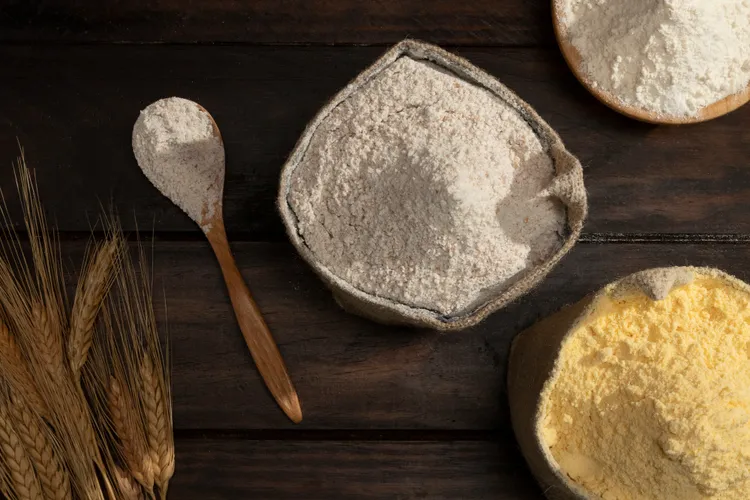
Not all flour behaves the same at a given ratio. Protein content controls how much gluten structure the flour can build, independent of how much fat is fighting against it.
- All-purpose flour (around 10-12% protein) is the default for most cookie recipes and a reasonable baseline for any ratio adjustment.
- Cake flour (around 7-9% protein) builds less structure, producing a more tender, softer cookie even at a fat ratio that would otherwise read as moderate.
- Bread flour (around 12-14% protein) builds more structure and can counteract a higher fat ratio, holding a thicker shape even in a dough that would otherwise spread thin.
If a recipe keeps coming out thinner than you want even after adjusting fat and sugar, check the flour. A swap to bread flour, or even a partial swap, can hold shape without touching anything else.
Leavening: Baking Soda vs. Baking Powder
Leavening gets less attention than fat and sugar in texture discussions, but it plays a direct role. Baking soda needs an acidic ingredient (brown sugar, molasses, buttermilk) to activate, and it promotes spread as it reacts, contributing to a flatter, chewier cookie with crisp edges. Baking powder contains its own acid and produces more consistent lift regardless of what else is in the dough, giving a taller, more cake-like structure.
Most chewy cookie recipes lean on baking soda alone. Recipes aiming for a thicker, softer, more bakery-style cookie often use a small amount of baking powder alongside the soda, or in place of part of it. If you're troubleshooting a cookie that spreads more than expected even after fixing fat and sugar, check whether the recipe is soda-only, since that alone accounts for meaningfully more spread than a powder-based dough.
Mixing Method
Beyond butter temperature, how long and how hard you mix matters.
- Creaming butter and sugar (beating together until pale and fluffy, roughly 2-3 minutes) incorporates air, which supports a taller, chewier structure. Under-creaming leaves the dough denser than intended; over-creaming can incorporate too much air and cause cookies to collapse and spread more once baked.
- Mixing melted butter with sugar (whisking rather than creaming, since there's no air to beat in) is the standard approach for crispier, thinner cookies, and mixing time matters less here since there's no aeration to manage.
- Adding flour last, mixed just until combined, matters regardless of which direction you're pushing texture. Overmixing once flour is in develops gluten the same way it does in bread, and it will fight against a chewy result and make even a thin, crisp cookie tougher than intended.
Freezing and Make-Ahead
Dough behaves differently depending on how far ahead it's made, and this interacts with the chewy/crispy decision.
- Same-day dough: butter is at its most active state, giving the truest read on how a recipe will spread. Good for testing a new ratio.
- Refrigerated 24-48 hours: flour hydrates further and flavor deepens (a well-documented effect in chocolate chip cookie testing), and the extra chill time also firms fat further, pushing results chewier even without changing the recipe.
- Frozen dough balls: baked straight from frozen, these spread less than fresh or refrigerated dough since the fat takes longer to soften in the oven. This is a reliable way to get a thicker, chewier result from a dough that runs thin at room temperature, without adjusting a single ingredient.
A Worked Comparison
Starting from the same 300g flour base, here's how a chewy and a crispy version diverge:
Chewy version:
- 300g flour
- 150g butter, softened and creamed with sugar (not melted)
- 200g brown sugar, 50g white sugar
- 1 whole egg + 1 extra yolk
- Chill dough 1 hour before baking
- Bake at 375°F
Crispy version:
- 300g flour
- 170g butter, melted and cooled slightly
- 100g brown sugar, 150g white sugar
- 1 whole egg, no extra yolk
- No chilling, bake straight away
- Bake at 350°F
Notice the fat ratio only shifted slightly, from roughly 1:2 to 1:1.75. Most of the texture difference comes from butter state, sugar ratio, egg, chilling, and oven temperature stacking together in the same direction. This is the same underlying dough logic behind cookies like sticky date and ginger cookies, where the higher moisture content from dates and molasses-heavy sugar keeps the texture soft and chewy, versus something like orange and pistachio cookies, which lean on more white sugar and produce a crisper, more delicate bite.
Troubleshooting by the Ratio
- Cookies spread too thin and go flat: too much fat relative to flour, butter used melted when the recipe called for softened, dough baked warm instead of chilled, or oven temperature too low.
- Cookies come out cakey instead of chewy: too much flour relative to fat, or too much leavening (baking powder gives lift and a more cake-like crumb; baking soda alone gives more spread and chew).
- Cookies are chewy in the center but too crisp at the edges: this is often correct and expected, especially at higher oven temperatures. If the edges are too crisp for your taste, pull the batch a minute or two earlier.
- Cookies are dry and crumbly, not crisp in a good way: not enough fat or too much flour, or the dough was overbaked. Dry and crumbly is a moisture problem, not the same as intentionally crispy.
- Inconsistent results between batches: usually oven temperature drift or butter temperature varying between batches. Weigh butter and flour rather than measuring by volume, and let butter sit out (or chill) for a consistent, timed amount rather than eyeballing "room temperature."
Adjusting an Existing Recipe
You don't need to build a new recipe from scratch to shift texture. Starting from any standard cookie recipe:
- To push crispier: melt the butter instead of creaming it, shift 30-50g of brown sugar to white sugar, skip chilling, and drop the oven temperature 15-25°F.
- To push chewier: cream softened butter with sugar instead of melting it, shift the sugar ratio toward brown, add one extra egg yolk, chill the dough at least 30 minutes, and raise the oven temperature slightly.
Change one variable at a time if you're troubleshooting a specific batch. Change several at once, deliberately, if you're trying to push a recipe firmly in one direction.
Nutrition (per cookie, standard batch of 24)
Approximate values for a standard chocolate chip cookie made with a 1:2 fat-to-flour ratio and mixed brown/white sugar:
- Calories: ~140 kcal
- Protein: ~1.5g
- Carbs: ~18g
- Fats: ~7g
These shift with the changes above: melted-butter crispy versions run slightly higher in fat per cookie since they spread thinner and yield more cookies per batch of the same total dough weight, so per-cookie numbers can actually drop a little even though the recipe fat percentage went up.
Common Questions
Can I make a crispy cookie chewy just by underbaking it? Partially. Pulling a cookie early gives a softer center, but it won't replicate true chew, which comes from moisture retention (brown sugar, egg yolk, chilled fat) rather than just less time in the oven. An underbaked crispy-formula cookie often ends up doughy rather than chewy, which is a different texture.
Why do bakery cookies seem thicker than homemade ones using the "same" recipe? Usually a combination of a lower fat-to-flour ratio than home recipes typically use, cold or frozen dough portions, and slightly higher oven temperatures for a shorter bake. All three push toward height and chew at once.
Does salted vs. unsalted butter change texture? Not meaningfully on its own, the salt content is too low to affect spread. It changes flavor balance more than structure, adjust added salt in the recipe if you switch between them.
Is brown butter a good option for chewy cookies? Browning butter cooks off some water content, which changes hydration slightly and adds nutty flavor, but it's typically re-solidified before use in chewy recipes, so its effect on spread is smaller than the flavor change it brings. It's a flavor lever more than a texture lever.
Making It a Habit
Once you can see fat-to-flour, sugar type, egg, chilling, and oven temperature as five separate dials rather than one fixed recipe, texture stops being a guessing game. Any cookie recipe you like the flavor of can be pushed chewier or crispier without changing what's in it, just how much of each and how it's handled before it hits the oven.
Latest