Creamy Mashed Potatoes Without the Gluey Texture
Ricer vs. masher, warm dairy/fat incorporation, avoiding overworking the starch.
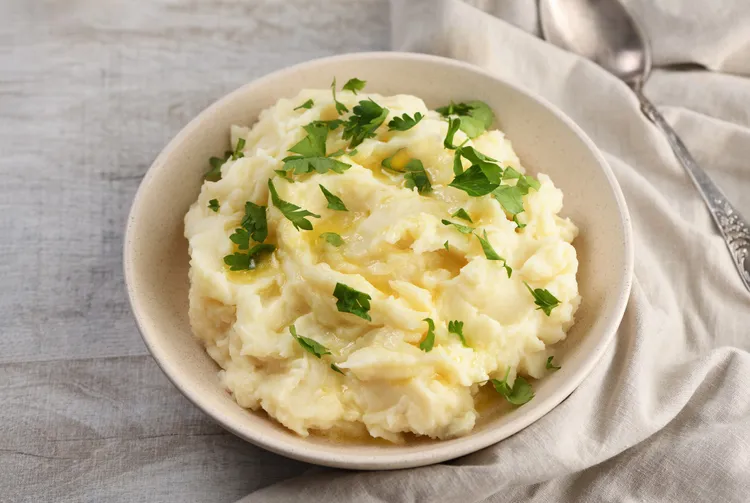
Gluey mashed potatoes aren't a matter of bad luck or a bad recipe; they're the direct, predictable result of over-ruptured starch. Avoiding that outcome is mostly a matter of tool choice and a few sequencing details.
Start With the Right Potato
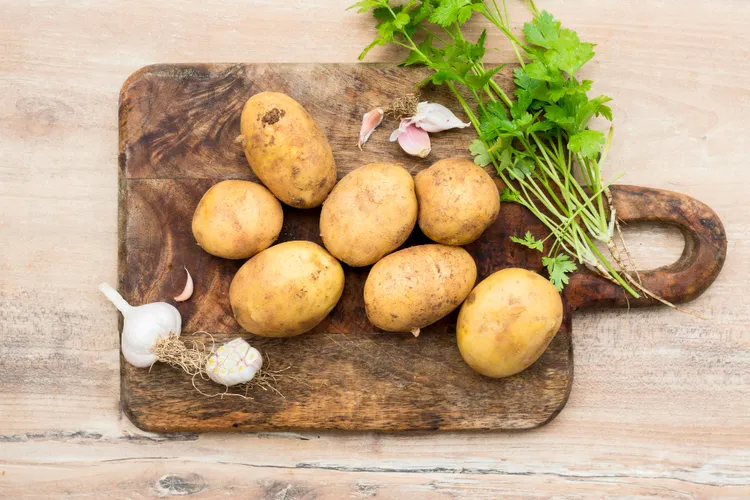
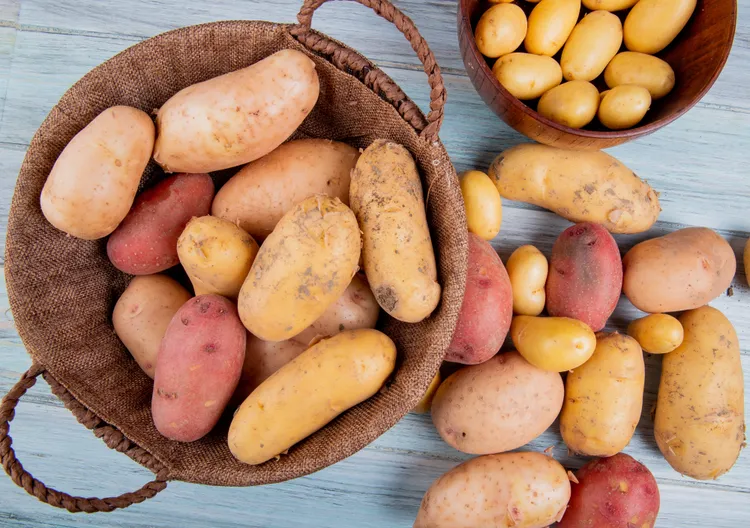
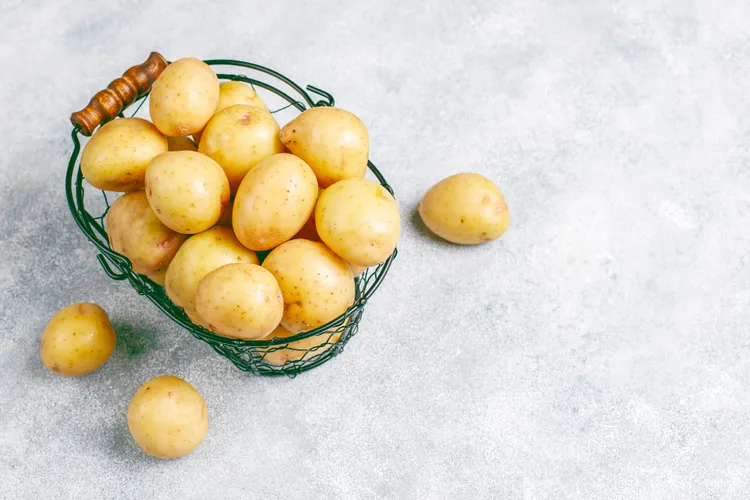
Starchy or all-purpose varieties, Russets or Yukon Golds, mash lighter and fluffier than waxy varieties like red potatoes, which mash dense and can turn gummy even with careful technique, simply because they don't have the starch structure to become fluffy in the first place. See Potato Varieties Explained for the full variety breakdown.
Boil Correctly First
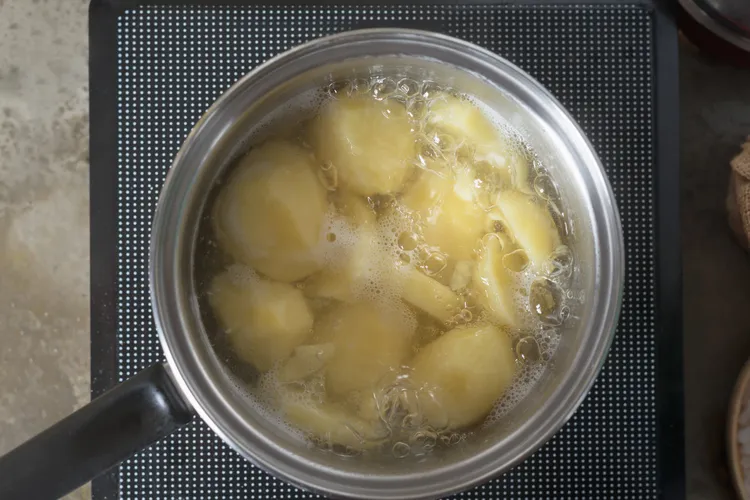
Boil whole or large-cut potatoes, skin on if peeling afterward, using the cold-start method described in How to Boil Potatoes Without Them Falling Apart. Potatoes that are overcooked and waterlogged from starting in already-boiling water bring excess water into the mash before you've even started mashing, which no amount of careful technique afterward can fully correct.
Ricer or Food Mill, Not a Masher or Processor
This is the single highest-impact choice in the whole process. A ricer or food mill presses cooked potato through small holes with minimal shearing force, keeping most starch granules intact. A hand masher applies more direct crushing force, and a food processor applies by far the most, blending potato cells apart aggressively and releasing large amounts of free starch. That free starch is exactly what creates a gluey, paste-like texture, so skip the food processor for mashed potatoes entirely, even though it seems like the obvious tool for the job.
Warm the Dairy and Fat
Heat milk, cream, or butter gently before adding to the riced potato, rather than pouring in cold liquid straight from the refrigerator. Cold dairy shocks the starch and can cause it to seize and turn gluey, while warm dairy incorporates smoothly and helps keep the mixture at a consistent temperature throughout mixing. Add it gradually, folding gently, rather than dumping it all in at once and stirring vigorously to combine.
Mix Minimally
Once dairy and fat are incorporated, stop. The goal is just even distribution, not maximum smoothness through extended mixing; every additional stir or fold after the ingredients are combined is an opportunity to rupture more starch and edge the texture toward gluey. If the potato was riced properly to begin with, minimal folding is all that's needed for a smooth result.
Seasoning
Salt generously; potatoes absorb a surprising amount of salt without tasting oversalted, since the starch and dairy both mute perceived saltiness. Taste and adjust after the dairy and fat are fully incorporated, not before, since the final proportions change how much seasoning is actually needed.
A Working Example
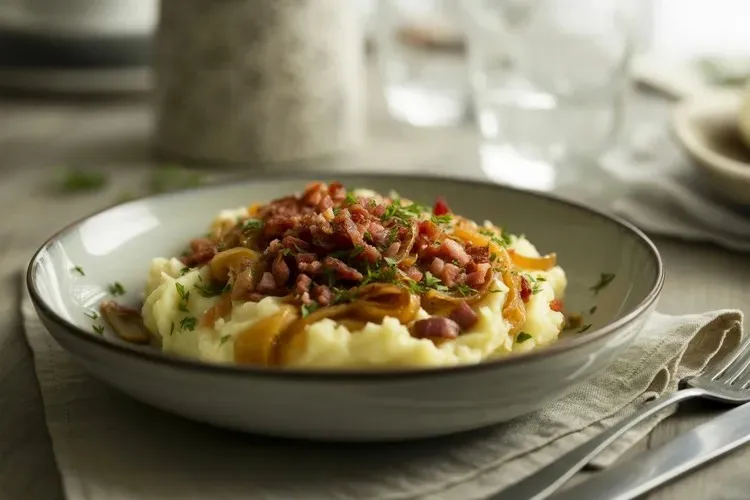
Roasted Garlic Mashed Potatoes with Chives and Potato Mash with Bacon and Caramelised Onion both apply this core technique with different flavor additions folded in at the end. For a straightforward version that sticks closely to the base method, see the Classic Mashed Potatoes Recipe.
Latest