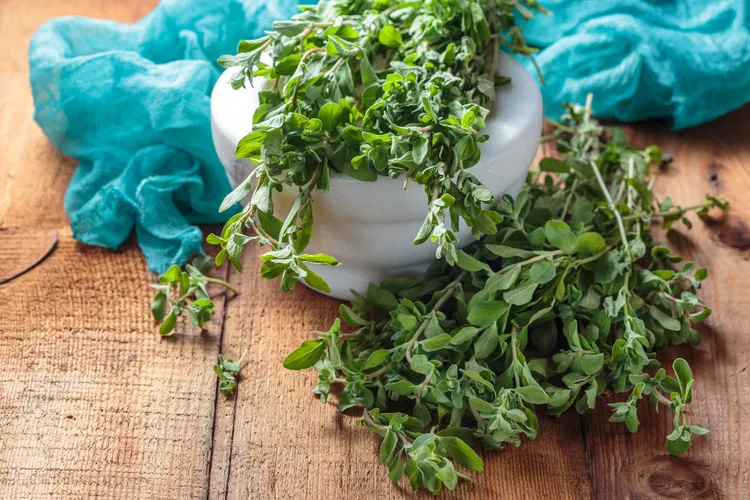
Oregano: Fresh vs Dried and How to Use Both Correctly
A complete guide to oregano: why dried often beats fresh, the difference between Mediterranean and Mexican varieties, and the recipes across Italian, Greek, and Mexican cooking that depend on getting it right.
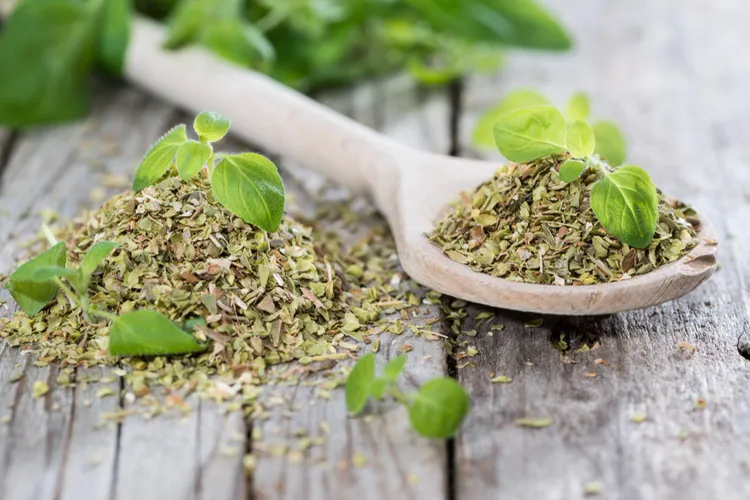
Oregano breaks a rule that applies to almost every other cooking herb: dried is often better than fresh, not just a passable substitute. That single fact confuses a lot of home cooks who've learned to reach for fresh herbs whenever possible and treat dried as a compromise. With oregano, the compromise runs the other way more often than not.
Why Oregano Doesn't Follow the Usual Rules
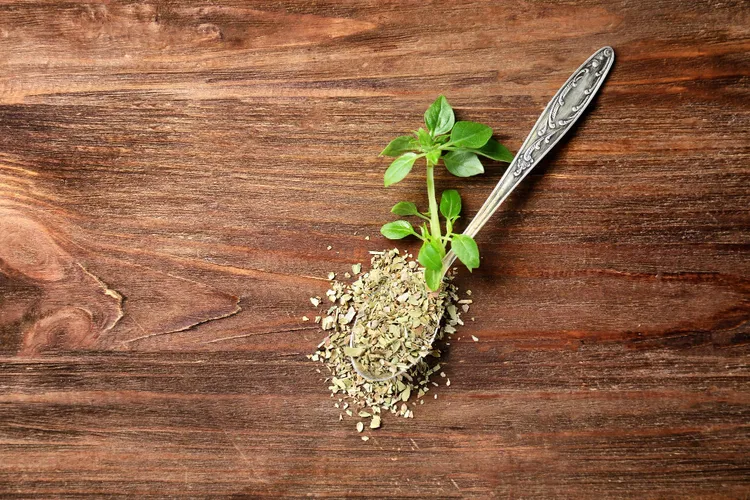
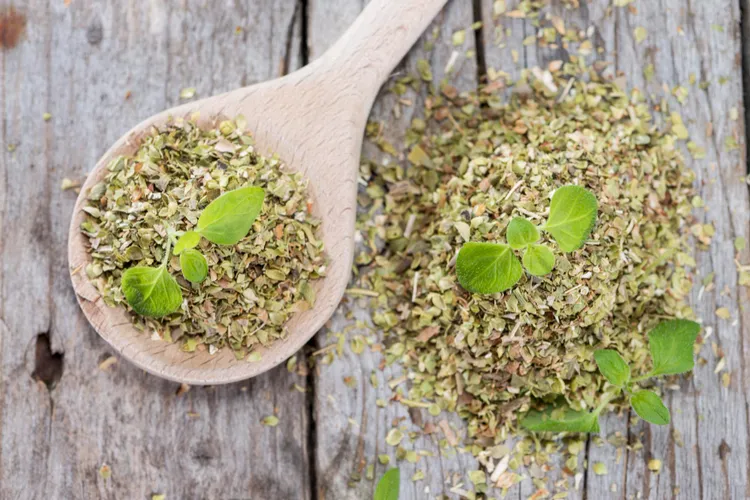
Most herbs lose aromatic complexity as they dry; their more delicate, volatile top notes evaporate, leaving behind a flatter, muted version of the fresh flavor. Oregano's essential oils behave differently. Drying concentrates its flavor compounds rather than dissipating them, which is why dried oregano tastes distinctly bolder, earthier, and more pungent than fresh oregano rather than simply weaker. Fresh vs Dried Oregano: Why Dried Is Often Better covers the specific chemistry behind this and exactly when each form is the right call.
Because the two forms aren't simply strong and weak versions of the same thing, converting between them in a recipe takes more thought than the usual "use a third as much dried" rule of thumb suggests. How to Substitute Fresh Oregano for Dried (and Back) covers the actual ratios and why they shift depending on the dish.
Not All Oregano Is the Same Plant
A recipe that simply says "oregano" is making an assumption about which oregano, and getting it wrong changes a dish more than most people expect. Mediterranean oregano and Mexican oregano come from entirely different plant families and taste distinctly different once you know what to look for. Mexican Oregano vs Mediterranean Oregano: Not the Same Herb breaks down the difference and which dishes call for which.
Where Oregano Is the Backbone: Italian Cooking
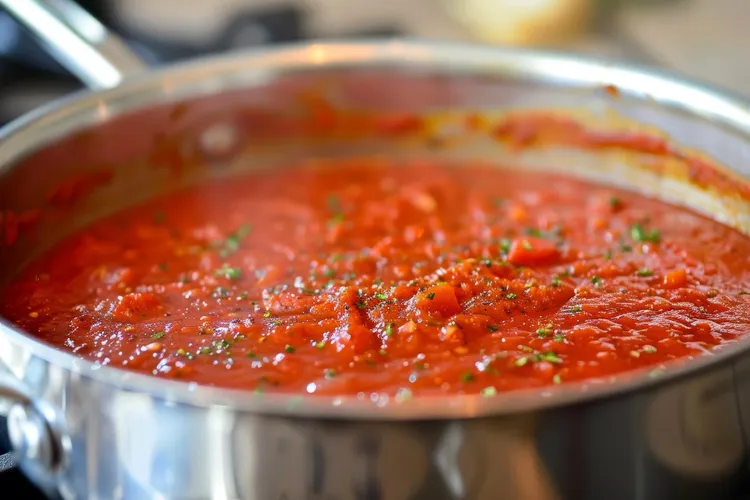
Oregano's most famous role is in tomato-based Italian-American cooking, and getting its timing right in a sauce matters more than the quantity used. Classic Marinara and Pizza Sauce: Getting the Oregano Right covers a base sauce and exactly when to add oregano for the best result.
Beyond a single sauce, a proper homemade Italian seasoning blend, built around oregano's dominant role, outperforms most jarred versions from the grocery store. Homemade Italian Seasoning Blend (and Why Store-Bought Falls Short) has the blend and the reasoning behind it.
Where Oregano Is Essential: Greek Cooking
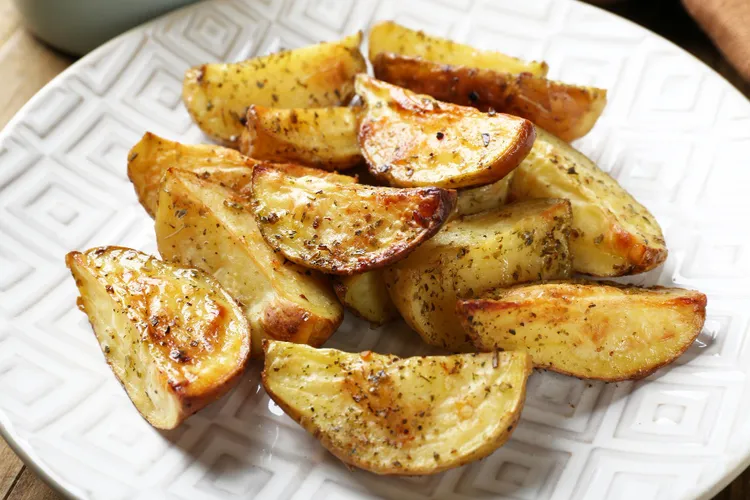
Oregano is arguably even more central to Greek cooking than Italian, showing up in everything from roasted potatoes to a simple salad. Greek-Style Oregano Recipes: Lemon Potatoes to Horiatiki covers several dishes that lean on it.
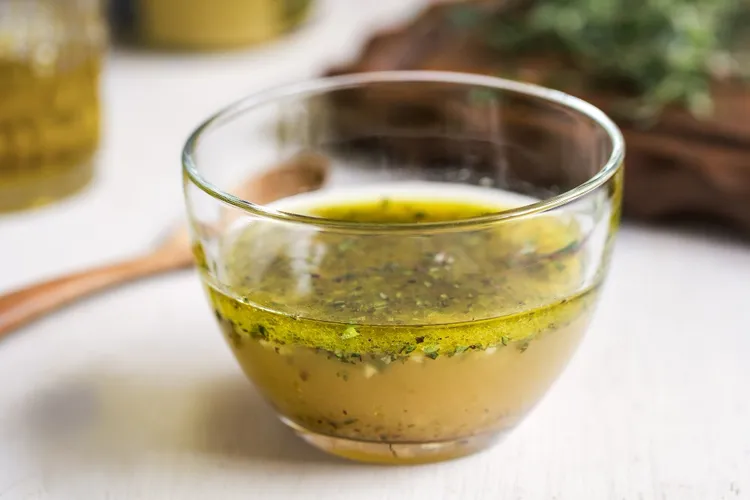
A Greek-style oregano vinaigrette is one of the more versatile things a bottle of good oregano can produce, and it extends well beyond a single salad. Oregano Vinaigrette and Salad Dressings has a base recipe and two variations.
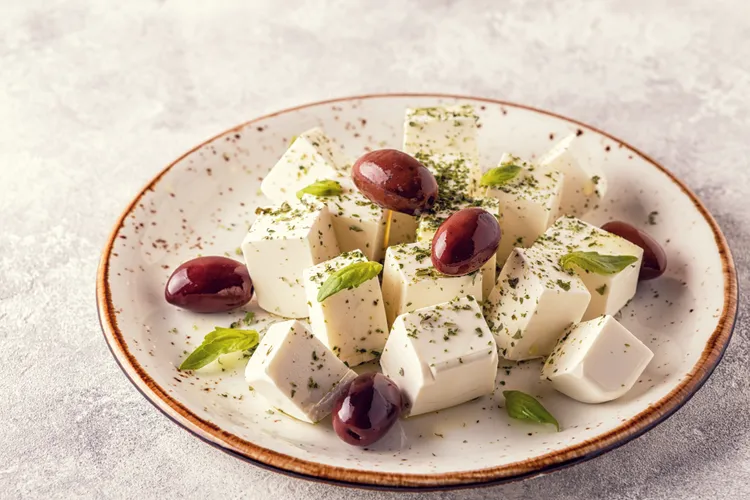
Feta and oregano are a near-automatic Greek pairing. Oregano and Feta Recipes: Dips, Bakes, and More covers several ways to use the two together.
Where the Right Variety Matters Most: Mexican Cooking
Mexican oregano specifically, not the Mediterranean variety, is what gives a lot of Tex-Mex and Mexican cooking its characteristic flavor. Mexican and Tex-Mex Recipes That Actually Use Mexican Oregano covers dishes where the distinction genuinely changes the result.
Building Oregano Into Everyday Cooking
A simple marinade built around oregano works across a range of proteins and vegetables without needing a different recipe for each. Oregano Marinade for Grilled Chicken, Lamb, and Vegetables covers a base marinade and where to use it.
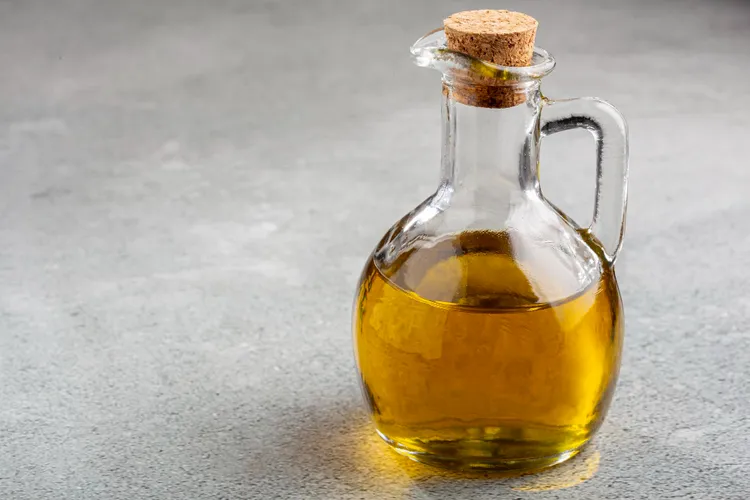
Oregano-infused oil captures the herb's flavor in a form that's easy to drizzle over almost anything. Oregano Oil: An Infused Oil for Dressings and Roasting covers the method and how it differs from other herb oils.
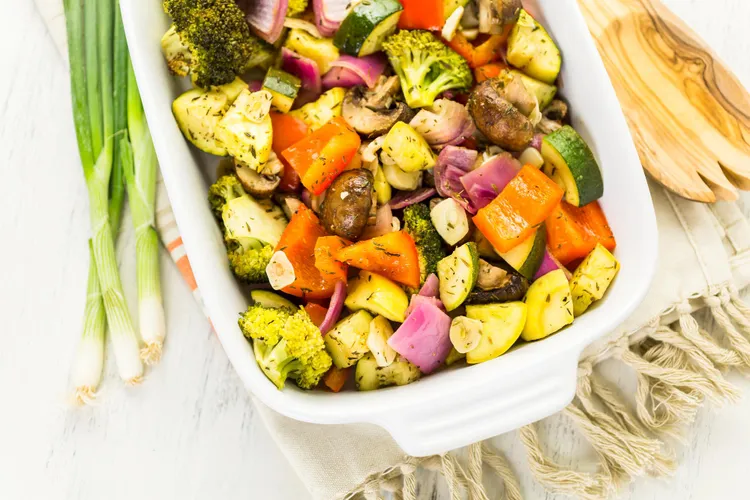
Roasted vegetables take well to oregano across a huge range of seasons and vegetable types. Roasted Vegetables With Oregano: A Base Method for Any Vegetable covers one method that adapts easily.
Soups and stews benefit from oregano at different points depending on the dish, and getting the timing wrong is a common, easily fixed mistake. Oregano in Soups and Stews: When to Add It and Why covers when to add it across a few different soup styles.
Know the Limits
Oregano's boldness, like sage's, means it's easy to overdo, especially the dried form given how concentrated it is. How Much Oregano Is Too Much? Getting the Balance Right covers its relative potency and how to fix a dish that's gone too far.
If a recipe calls for oregano and none is on hand, not every substitute works equally well, and the right choice depends on which oregano the recipe actually meant. Oregano Substitutes: What to Use When You're Out covers what comes close.
Common Mistakes to Avoid Across This Guide
- Treating oregano like a delicate fresh herb across the board. The instinct to reach for fresh whenever possible, correct for basil or dill, actively works against getting the best result from oregano in most cooked dishes.
- Not distinguishing between oregano varieties. A jar simply labeled "oregano" is almost always Mediterranean; Mexican oregano needs to be sought out specifically when a recipe calls for it, as covered in Mexican Oregano vs Mediterranean Oregano.
- Using too much dried oregano out of habit. Its concentrated flavor catches a lot of home cooks off guard the first few times; see How Much Oregano Is Too Much? for a practical guide to getting the balance right.
Frequently Asked Questions
Is oregano the same thing as Italian seasoning?
No, though it's usually the dominant component. Italian seasoning is a blend of several herbs; see Homemade Italian Seasoning Blend for a version that gets the ratio right.
What's the single most useful oregano fact to know if I only remember one thing?
That dried oregano is often the better default choice for cooked dishes, not a fallback for when fresh isn't available, which runs counter to how most other herbs work.
Do I need both Mediterranean and Mexican oregano, or can I get by with just one?
It depends on what you cook. A household that regularly makes Italian, Greek, and general savory dishes can get by with just Mediterranean oregano. Regular Mexican or Tex-Mex cooking benefits meaningfully from having the Mexican variety on hand too.
When a recipe just says "oregano" without specifying fresh, dried, or a regional variety, default to dried Mediterranean oregano for Italian, Greek, or general savory cooking, and Mexican oregano specifically for Mexican or Tex-Mex dishes. Add dried oregano earlier in cooking to let it rehydrate and mellow, and save fresh oregano for a finishing touch or a raw application like a dressing. Planning a week of meals around one of the cuisines above, Italian one night, Greek the next, makes it easy to get real use out of a jar of dried oregano rather than letting it sit half-used in the spice cabinet, especially when mapped out as part of a simple weekly meal plan.
Latest