The Secret to Crispy Roasted Potatoes
Parboil-and-rough-up method, fat choice, oven temp, why crowding the pan ruins crisping.
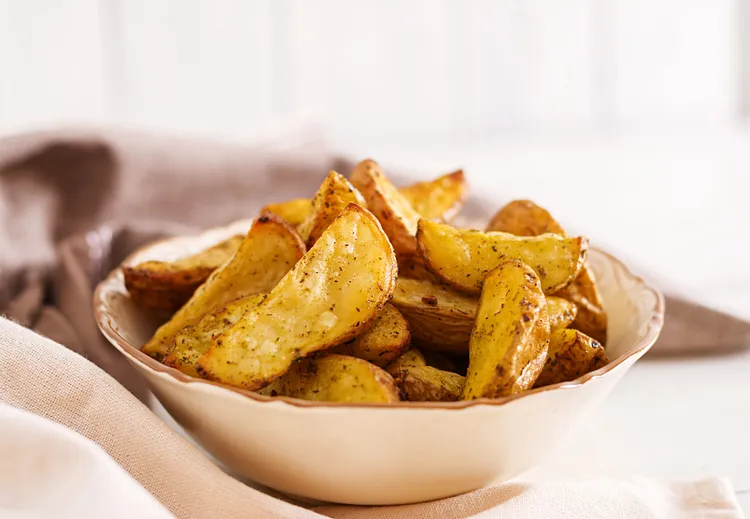
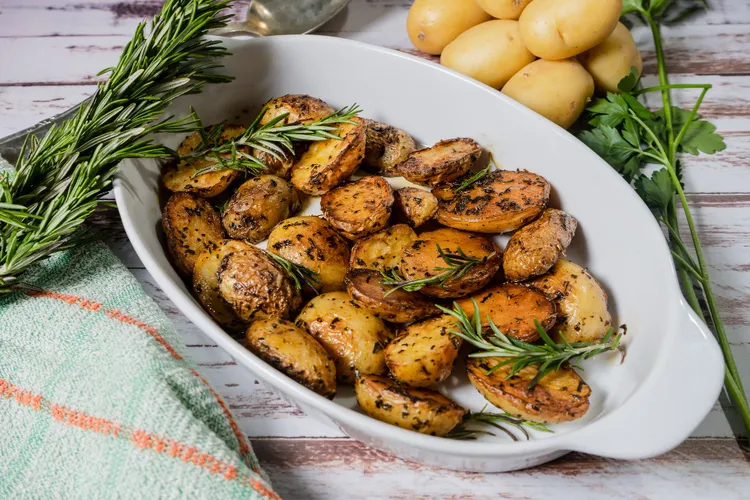
The gap between merely roasted potatoes and genuinely crispy ones comes down almost entirely to one step most recipes gloss over: what happens to the potato's surface before it ever touches hot fat.
Parboil First
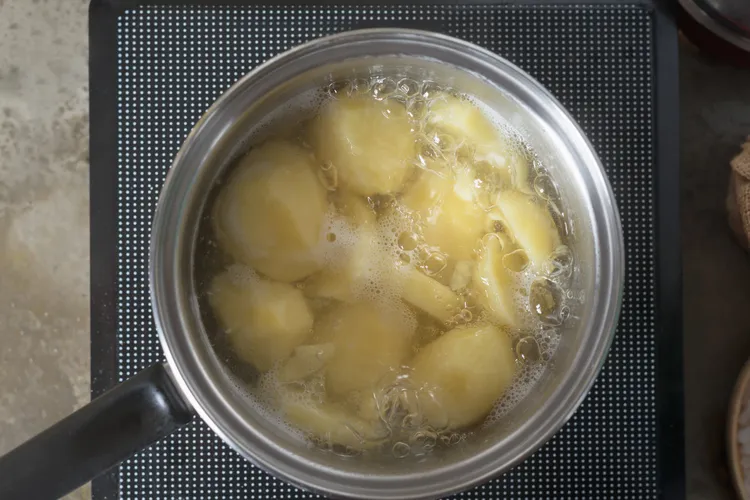
Starting from raw, cut potatoes straight in a hot oven rarely produces real crispness; the exterior dries out before it can properly crisp, while the interior stays firm rather than fluffy. Parboiling first, simmering cut potatoes in salted water for about 8-10 minutes, just until the edges start to soften but the pieces are still firm enough to hold their shape, solves both problems at once by partially cooking the interior and softening the surface starch.
Rough Up the Edges
After draining the parboiled potatoes, return them to the empty pot and give it a firm shake, or toss the potatoes roughly in a colander. This deliberately fractures and roughens the surface of each piece, creating a craggy, uneven texture. That roughened surface, packed with starch loosened by the parboiling, is exactly what turns into the shattering, deeply crisp crust in the oven; smooth-surfaced potatoes never crisp the same way no matter how hot the oven runs.
Fat Choice
High smoke-point fats hold up best at the oven temperatures crisping requires: refined vegetable oil, duck fat, or beef tallow all work well. Butter alone burns before the oven gets hot enough to crisp properly, though a butter-and-oil combination can work if the butter's milk solids are kept minimal. Whatever fat is used, it needs to be genuinely hot before the potatoes go in; heating the fat on the baking sheet in the oven for a few minutes before adding the roughed-up potatoes gives an immediate sear that starts the crisping process the second they hit the pan.
Oven Temperature
Roast at a high temperature, 425-450°F, rather than a moderate one. Lower temperatures let moisture escape too slowly, producing a softer, more baked texture rather than a true crisp crust. High heat drives off surface moisture quickly while the starchy, roughened exterior browns and crisps.
Why Crowding the Pan Ruins Everything
Potatoes release steam as they roast. Spaced with room between pieces, that steam escapes into the oven; crowded together, it gets trapped between the pieces, effectively steaming rather than roasting them, and steamed potatoes never crisp regardless of fat, temperature, or how well they were parboiled. Use a pan large enough that pieces sit in a single layer with visible gaps between them, splitting into two pans if necessary rather than crowding one.
Turning
Resist the urge to turn or toss the potatoes too early or too often. Let the side touching the pan develop a proper crust, typically 15-20 minutes at high heat, before flipping; turning too soon tears away the crust that's just starting to form and exposes uncooked surface to the pan instead.
Once out of the oven, season with salt immediately while the surface is still hot and slightly oily, which helps it adhere. For pairing ideas once the potatoes are crisped, see What to Pair With Potatoes.
Latest