Restaurant-Style French Fries: The Double-Fry Method Explained
Two-stage frying temperatures, soaking to remove surface starch, oil choice.
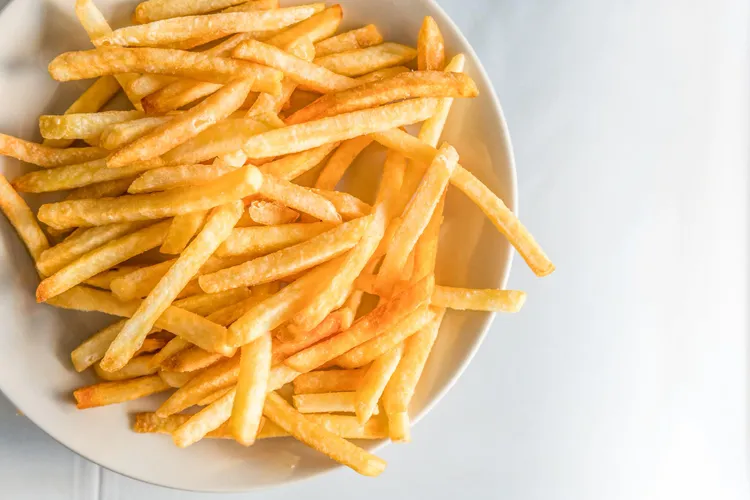
The difference between limp, greasy homemade fries and the shatteringly crisp fries from a good restaurant kitchen comes down to one core technique: frying twice, at two different temperatures, rather than once.
Why One Fry Isn't Enough
A single fry at high heat browns the surface quickly, but by the time the interior has fully cooked through, the exterior has often overshot into overly dark or burnt territory, or hasn't developed a properly crisp shell at all. A single fry at lower heat cooks the interior gently but never gets hot enough to drive off enough surface moisture for real crispness. Splitting the job into two separate fries at two different temperatures solves both problems: one stage handles cooking the interior, the other handles crisping the exterior, and neither stage has to compromise for the other.
Cutting and the Soak
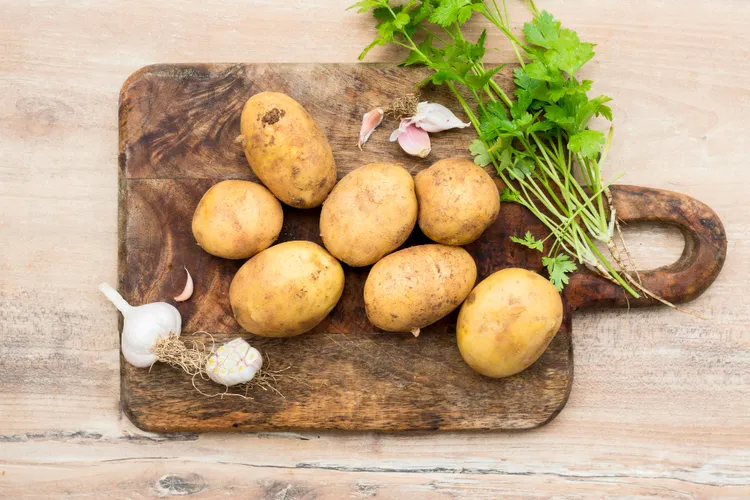
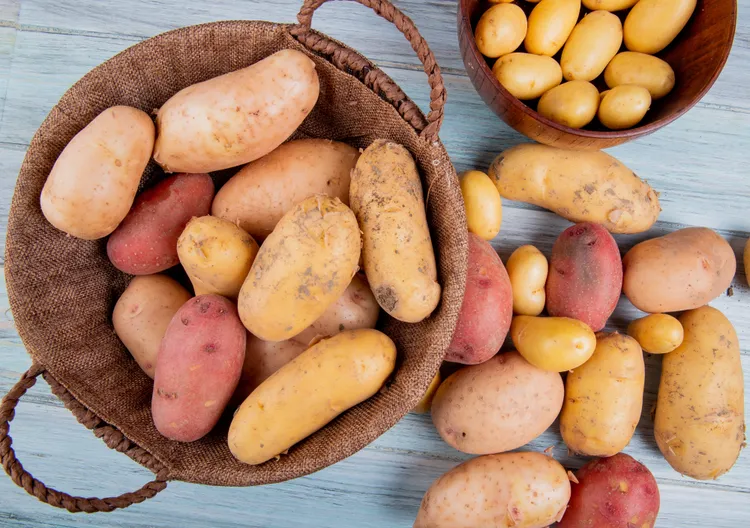
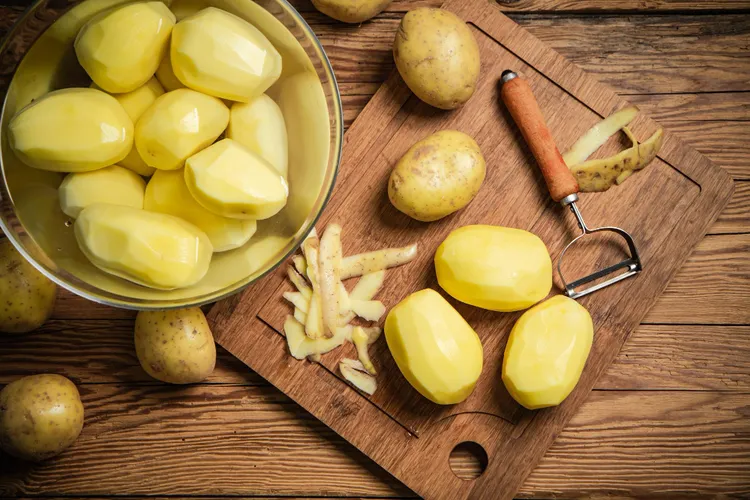
Cut potatoes into even batons, roughly 3/8 to 1/2 inch thick, and soak them in cold water for at least 30 minutes, up to overnight in the refrigerator. This soak rinses away surface starch that's been released from the cut edges; without it, that loose starch causes fries to stick together in the fryer and can leave them gummy rather than crisp. After soaking, drain and pat the potatoes completely dry; any surface water left on the potato will cause dangerous spattering when it hits hot oil, and steam from residual moisture interferes with proper crisping.
The First Fry: Cooking the Interior
Fry at a relatively low oil temperature, around 300-325°F, until the potatoes are tender all the way through but still pale, with no real color, typically 4-6 minutes depending on thickness. This stage's only job is to fully cook the interior gently, without worrying about browning. Pull the fries out and let them rest, ideally on a wire rack, for at least 10-15 minutes; this rest lets residual heat continue equalizing through the potato and allows the surface to dry further before the second fry.
The Second Fry: Crisping the Exterior
Raise the oil temperature to 375-400°F for the second fry. At this higher heat, the fries only need 2-4 minutes to develop a deep golden color and a properly crisp, shattering exterior, since the interior is already fully cooked from the first stage. Because the second fry is short, there's much less risk of the exterior overcooking before it browns properly, which is the core advantage over a single-stage fry.
Oil Choice
A neutral oil with a high smoke point works best: refined peanut oil, vegetable oil, or canola oil. Peanut oil in particular is a common restaurant choice for its high smoke point and clean flavor. Whatever oil is used, don't overcrowd the fryer or pot in either stage; too many fries at once drops the oil temperature significantly, and a lower temperature during either stage undermines the whole point of the two-stage method.
Draining and Serving
After the second fry, drain briefly on paper towels or a wire rack and salt immediately, while the surface is still hot enough for the salt to adhere. Fries lose their crispness quickly once cooled, so serve as close to immediately as possible. A practical example of the general frying and seasoning approach, using thick-cut chips, is in Steak with Homemade Thick Chips.
Latest