Classic Mashed Potatoes Recipe
A tested, technique-forward mashed potato recipe applying the food-science article.
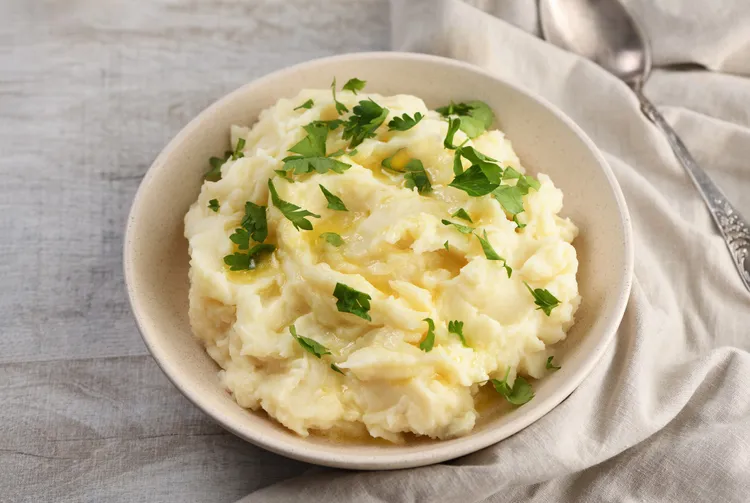
This version sticks close to the fundamentals: the right potato, a cold-start boil, a ricer instead of a masher, and warm dairy folded in gently. No shortcuts that compromise texture.
Ingredients (serves 4)
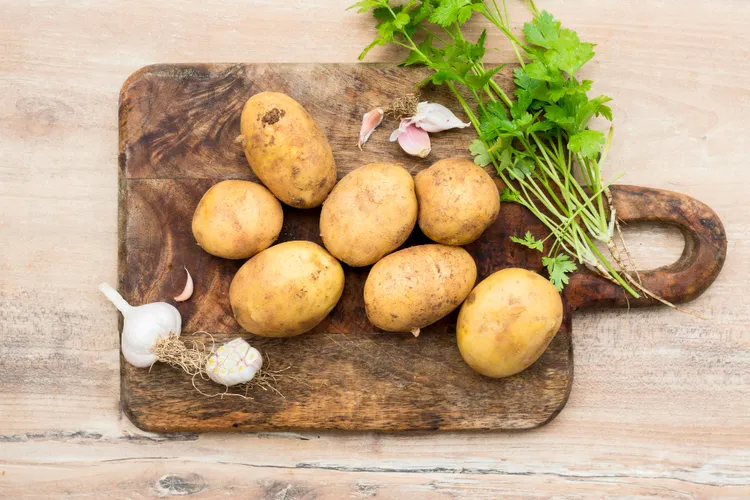
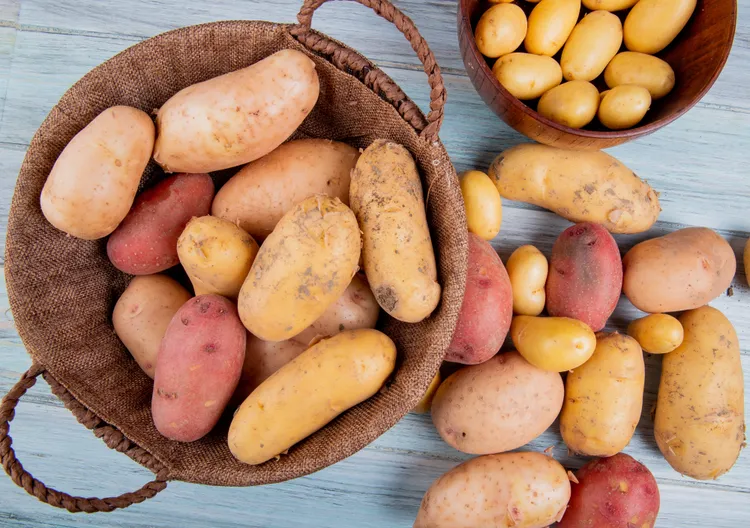
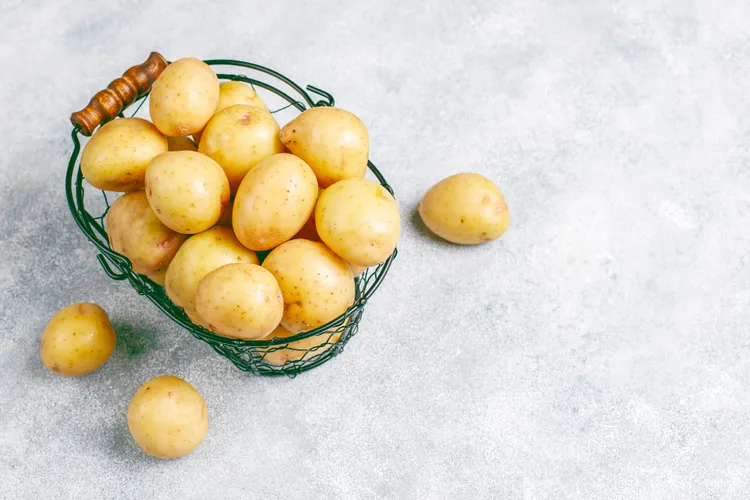
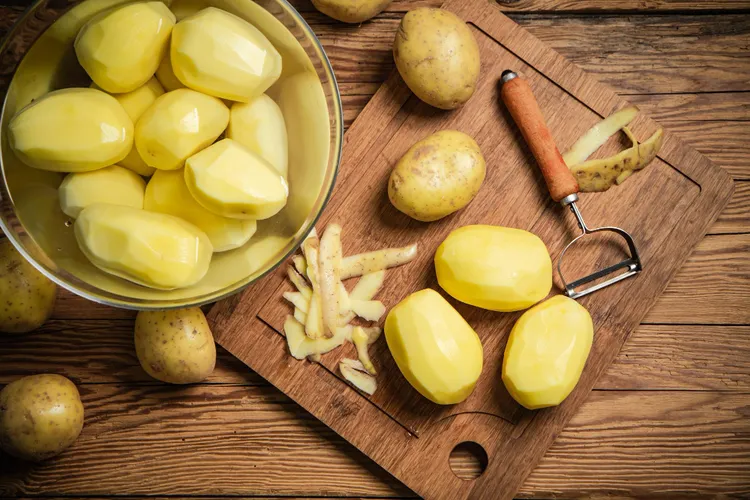
- 2 lbs Russet or Yukon Gold potatoes, peeled and cut into 1.5-inch chunks
- 1 tablespoon salt, plus more to taste, for the cooking water
- 6 tablespoons unsalted butter
- 3/4 cup whole milk or cream
- Black pepper, to taste
Method
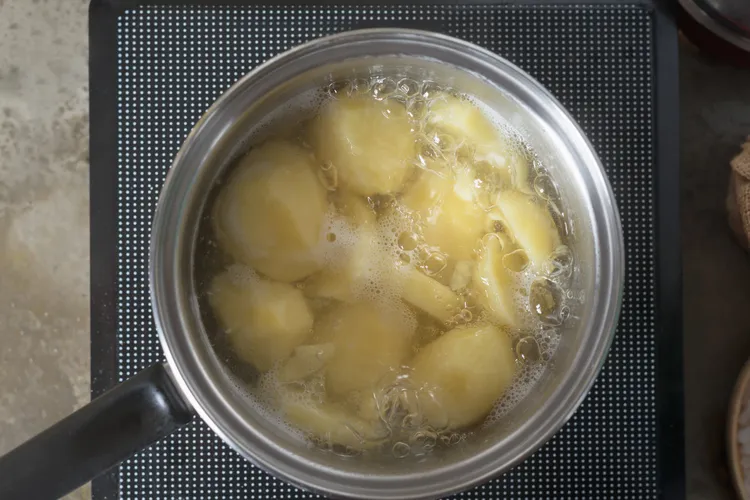
1. Boil. Place the cut potatoes in a large pot and cover with cold water by about an inch. Add the tablespoon of salt. Bring to a boil over medium-high heat, starting cold rather than adding potatoes to already-boiling water, then reduce to a simmer and cook until a knife slides into a piece with no resistance, about 15 minutes.
2. Warm the dairy and fat. While the potatoes finish cooking, gently warm the butter and milk together in a small saucepan over low heat, just until the butter melts. Don't let it boil. Set aside, keeping it warm.
3. Drain and dry. Drain the potatoes thoroughly and return them to the empty, still-warm pot for a minute or two off the heat, letting residual steam escape. This drives off excess surface moisture before mashing.
4. Rice. Pass the potatoes through a ricer or food mill back into the pot, in batches if needed. Avoid a hand masher or food processor if a smooth, non-gluey texture is the goal; both apply far more shearing force than a ricer and rupture the starch, causing gumminess.
5. Fold in the warm dairy. Pour the warm butter and milk mixture over the riced potato gradually, folding gently with a spatula, rather than stirring vigorously. Add just enough to reach the desired consistency; not all of the milk may be needed, or a splash more might be, depending on the potatoes.
6. Season and serve. Taste and add salt and black pepper as needed. Serve immediately; mashed potatoes are best right after mashing, while the texture is at its lightest.
Notes
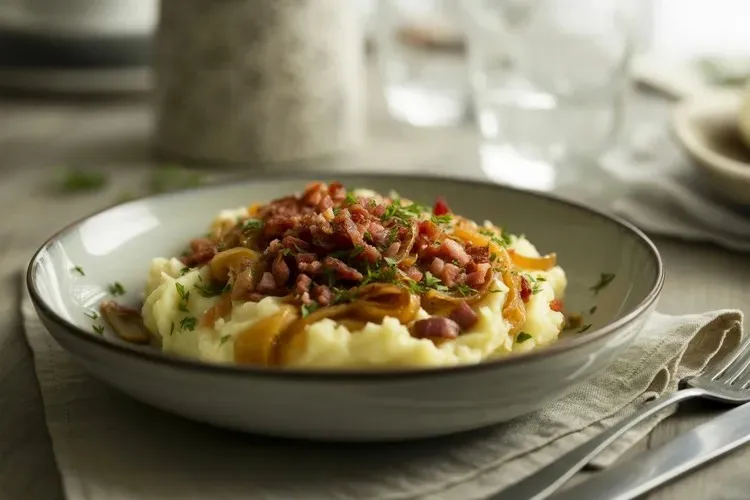
For the full explanation of why each of these steps matters, the ricer, the warm dairy, the cold-start boil, see Creamy Mashed Potatoes Without the Gluey Texture and The Science of Starch. For flavor variations built on this same base method, see Roasted Garlic Mashed Potatoes with Chives and Potato Mash with Bacon and Caramelised Onion.
Latest