What to Pair With Potatoes: Herbs, Fats, and Flavor Combinations
Classic and modern pairings by cooking method — herb butters, acid, fat, protein pairings.
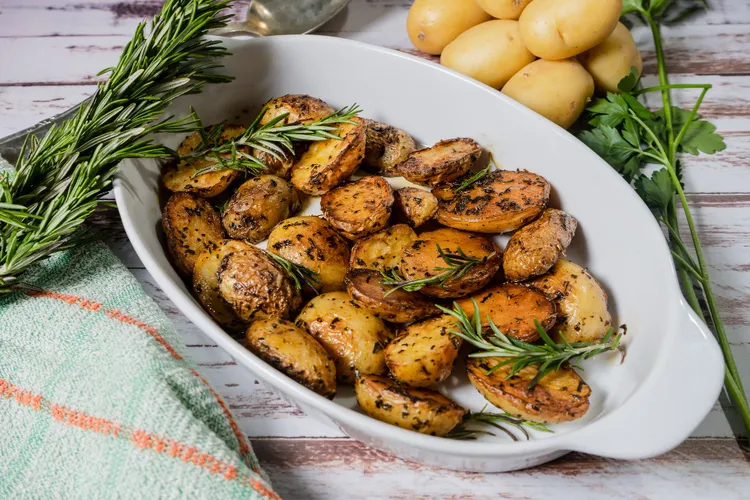
Potatoes have very little inherent flavor of their own, mild, earthy, faintly sweet, which is exactly what makes pairing choices carry so much weight. A potato dish is defined almost entirely by what's added to it.
Fat: The Non-Negotiable Component
Potatoes have almost no fat of their own, and much of what makes a potato dish taste rich rather than bland comes down to fat, since many flavor compounds are fat-soluble and need a fat carrier to fully register on the palate. Butter brings a dairy richness suited to mashing and simple roasting; olive oil brings a more savory, slightly bitter edge that pairs well with herbs and Mediterranean flavors, as in Tuscan Butter Potatoes; rendered animal fats like duck fat or bacon fat bring a deeper, more savory character that suits roasting especially well.
Acid: The Component Most Often Skipped
A squeeze of lemon, a splash of vinegar, or a dollop of sour cream cuts through a potato's starchiness and keeps rich preparations from tasting flat or heavy. This is especially noticeable in fried and roasted potatoes, where fat is already doing a lot of work; a bit of acid balances that richness rather than letting it dominate. Lemon-Herb Roasted Potato Nuggets leans directly on this principle, and Country Potato Salad with Cottage Cheese uses the same idea through a tangy dairy component instead of a direct acid.
Herbs: Timing Matters
Hardy herbs, rosemary, thyme, sage, hold up well to extended cooking and are typically added at the start of roasting, since their flavor compounds are more stable under heat. Delicate herbs, chives, parsley, dill, lose flavor and turn bitter under prolonged heat and are best added after cooking, as a finishing touch rather than a cooking ingredient. Mixing this up, roasting delicate herbs for the full cook time, is a common reason a dish tastes flatter or more bitter than intended.
Classic Combinations by Method
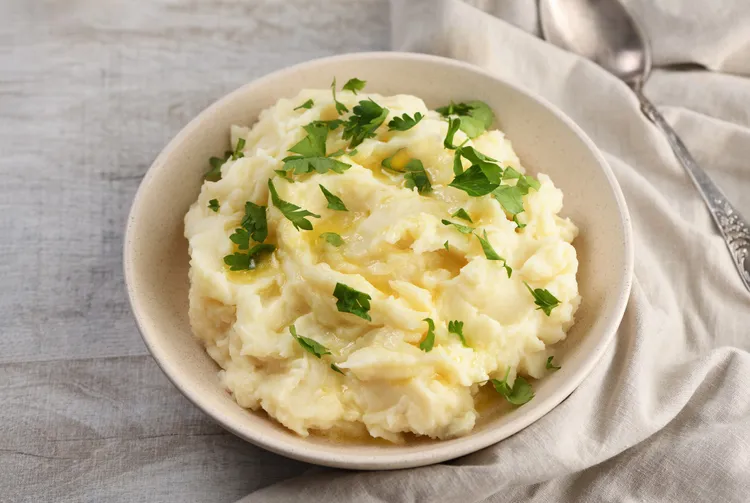
- Mashed: butter, warm cream, chives; or roasted garlic and parmesan.
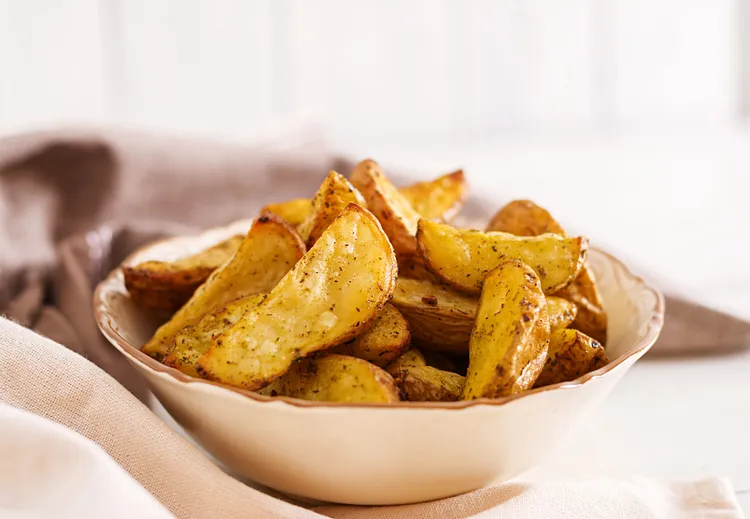
- Roasted: olive oil, rosemary, garlic; or duck fat and thyme.
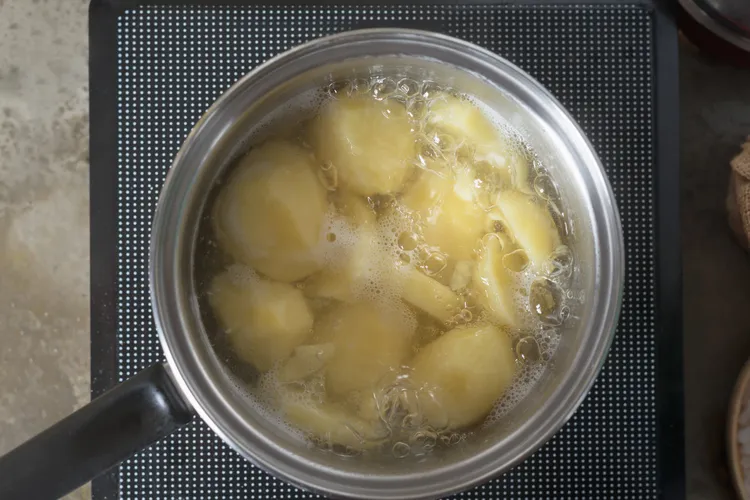
- Boiled/salad: mayonnaise or yogurt, mustard, dill, or a vinaigrette with fresh herbs.
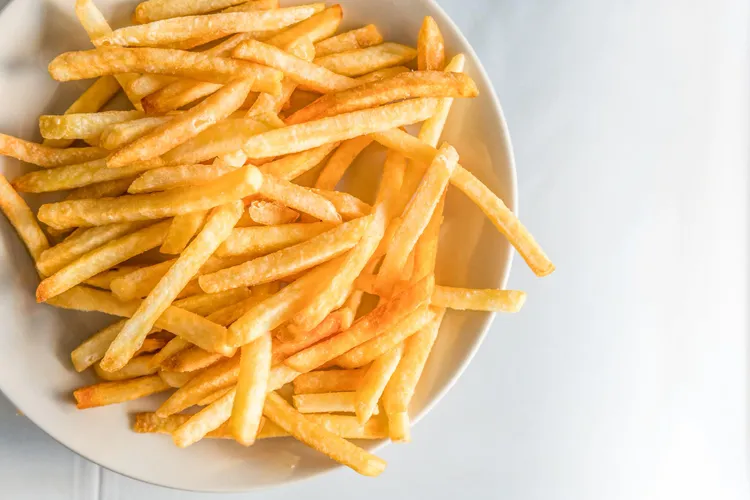
- Fried: flaky salt alone is often enough, given how much work the frying itself does; malt vinegar or a garlic aioli for a stronger flavor addition.
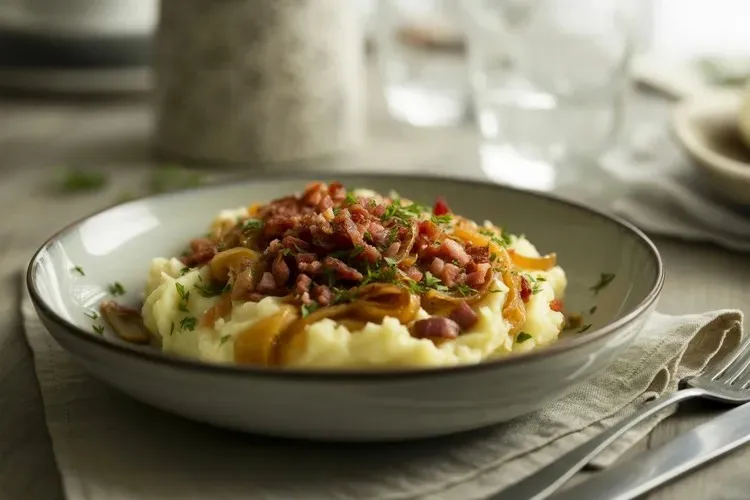
- Baked: sour cream, chives, cheddar, bacon, the classic loaded-potato combination, or a lighter yogurt and herb topping.
Protein Pairings
Potatoes' neutrality makes them a flexible side for almost any protein, but a few pairings stand out for a reason: rich, fatty meats (steak, roast pork, sausage) pair well with simply prepared potatoes, since the potato's blandness balances the meat's richness rather than competing with it. Lighter proteins (grilled fish, chicken) pair well with more heavily seasoned potato preparations, since there's more room for the potato to carry additional flavor without overwhelming the dish.
Less Obvious Pairings Worth Trying
Horseradish adds a sharp, cutting heat that works particularly well in mash for pairing with rich roasted meats. Smoked paprika brings a savory depth that suits roasted potatoes without needing any actual smoking. Curry spices, cumin, coriander, turmeric, pair naturally with potatoes in preparations that lean into a warmer, more aromatic direction, as seen in the cumin-forward Spiced Roasted Chats.
Latest