Potato Nutrition Facts: Carbs, Fiber, Potassium, and More
Macro/micronutrient breakdown per potato type and prep method, resistant starch explained.
Potatoes carry a reputation as "just carbs" that undersells what's actually in them, and cooking method changes that nutritional picture more than most people expect.
The Baseline Numbers
A medium potato (about 150g), cooked with the skin on, provides roughly 30g of carbohydrate, 2-3g of fiber, 3-4g of protein, and virtually no fat. The bulk of that carbohydrate is starch, with a small portion of naturally occurring sugar.
Potassium: Genuinely Notable
Potatoes are one of the more potassium-dense common foods, providing more potassium per serving, skin on, than a medium banana. Most of that potassium sits close to the skin, which is one practical reason to cook potatoes unpeeled where the recipe allows it.
Vitamin C and Fiber
A medium potato provides a meaningful portion of daily vitamin C needs, though that amount drops with prolonged boiling, since vitamin C is water-soluble and leaches into cooking water. Fiber is concentrated heavily in the skin; a peeled potato loses a substantial share of its total fiber content along with the peel.
How Cooking Method Changes the Nutritional Picture
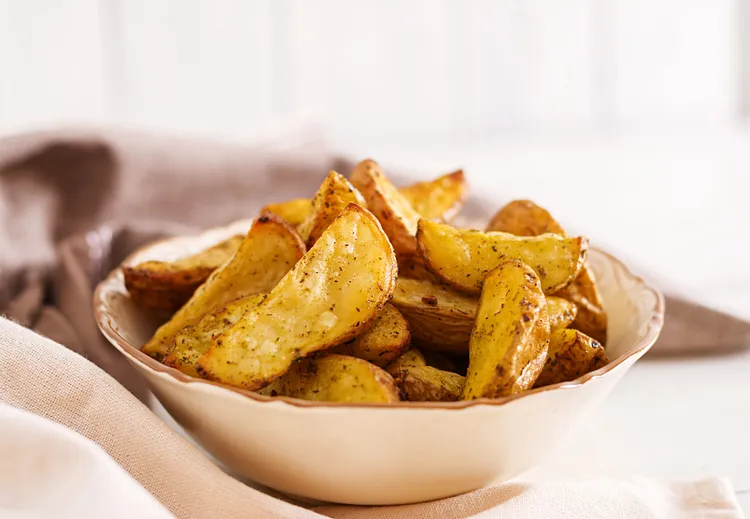
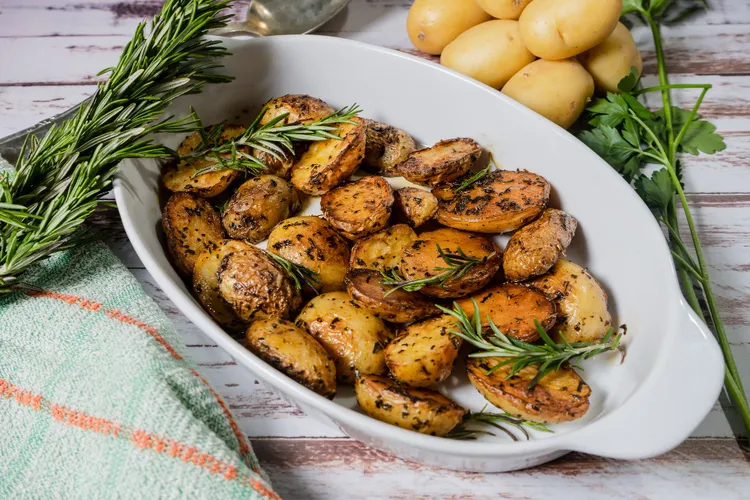
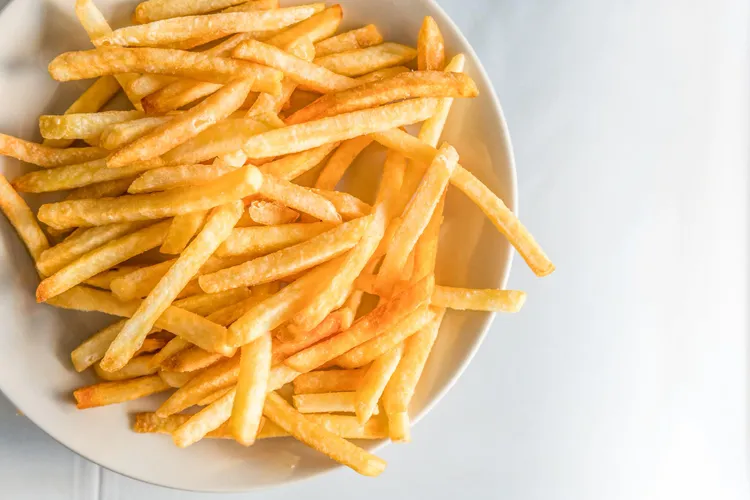
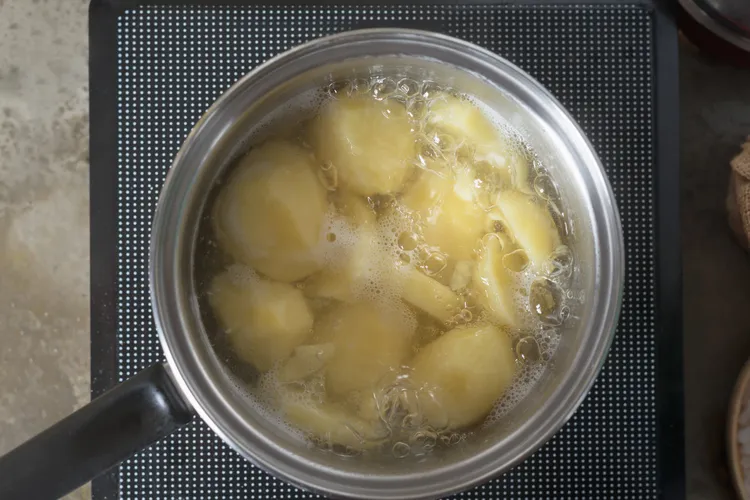
Boiling causes some loss of water-soluble vitamins (vitamin C and B vitamins) into the cooking water, more so with peeled and cut potatoes than with whole, skin-on potatoes, since more cut surface area means more leaching. Steaming preserves more of these nutrients than boiling for the same reason: less direct water contact. Frying adds significant calories from the oil absorbed during cooking without adding meaningfully to the potato's own nutrient content. Baking, especially skin-on, preserves the nutrient profile closest to the raw potato, since there's no water for anything to leach into.
Resistant Starch: The Interesting Part
When a cooked potato is cooled, whether in the fridge or just left to cool after cooking, some of its gelatinized starch undergoes a structural change called retrogradation, converting into what's called resistant starch. Resistant starch behaves more like fiber in digestion than typical starch: it resists breakdown in the small intestine and instead reaches the colon largely intact, where gut bacteria ferment it. This is part of why a cold potato salad, or leftover boiled potatoes reheated after chilling, has a somewhat different digestive profile than the same potato eaten hot and freshly cooked, even though the ingredient itself hasn't changed.
Reheating a chilled potato doesn't fully reverse this effect; some of the resistant starch that formed during cooling remains resistant even after reheating.
How Variety Affects the Numbers
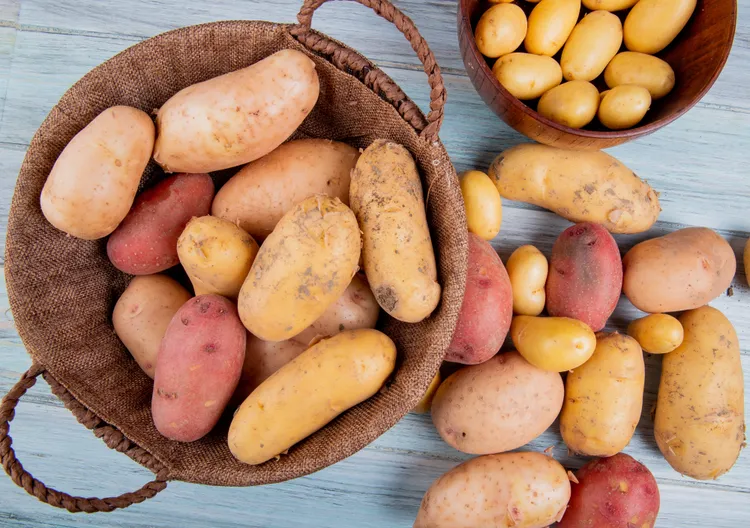
Starchy varieties like Russets generally carry a slightly higher carbohydrate content than waxy varieties like red potatoes, reflecting their higher starch-to-water ratio. The difference is modest in absolute terms but consistent across varieties, and it lines up with the same starch spectrum that determines cooking behavior, covered in Potato Varieties Explained.
Latest