How to Boil Potatoes Without Them Falling Apart
Cold-start method, salting the water, doneness testing, matching variety to boil time.
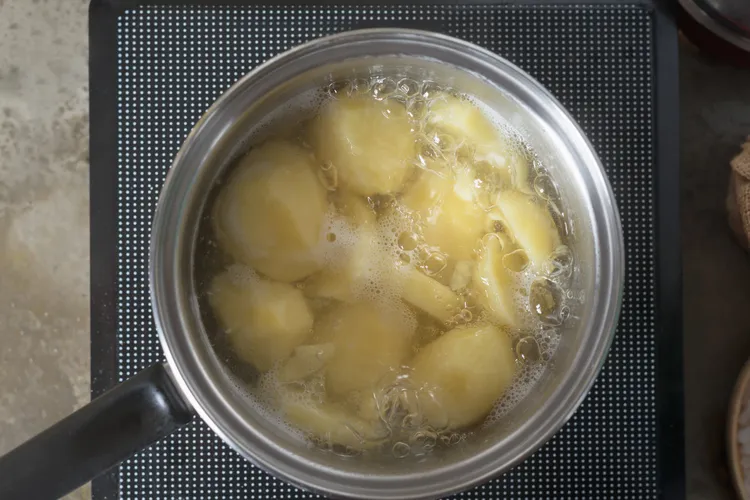
Boiling looks like the simplest potato technique there is, which is exactly why it's the one most often rushed, and rushing it is what causes potatoes that are mushy on the outside and undercooked in the middle.
Start Cold, Not Hot
Place potatoes in a pot and cover with cold water, then bring the whole pot up to a boil together, rather than dropping potatoes into water that's already boiling. Starting cold lets heat penetrate gradually and evenly, so the exterior and interior of each piece reach doneness at close to the same time. Starting hot cooks the outside faster than the heat can reach the center, which is a direct path to waterlogged, falling-apart exteriors around an underdone core, the mechanism explained in more depth in The Science of Starch.
Salting the Water
Salt the water generously, similar in concept to salting pasta water: roughly a tablespoon of salt per quart is a reasonable starting point. This seasons the potato from the inside as it cooks, rather than leaving all the seasoning sitting on the surface afterward. Potatoes boiled in unsalted water taste noticeably flat even after salting at the table, since salt applied after cooking doesn't penetrate the interior.
Cut Size Consistency
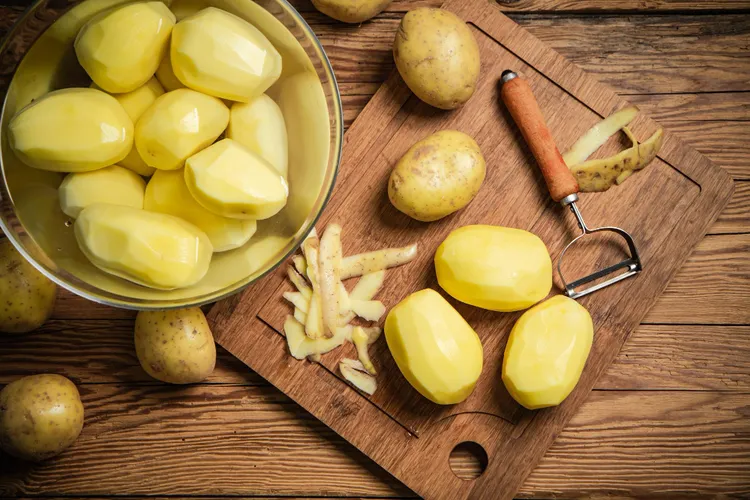
Cut potatoes into uniform pieces before boiling, or leave them whole if they're already similar in size. A pot with a mix of large chunks and small pieces guarantees uneven results: the small pieces turn to mush well before the large ones finish cooking. For potato salad or dishes where you want distinct, intact pieces, err toward slightly larger, uniform chunks and check doneness earlier rather than later.
Whole vs. Cut
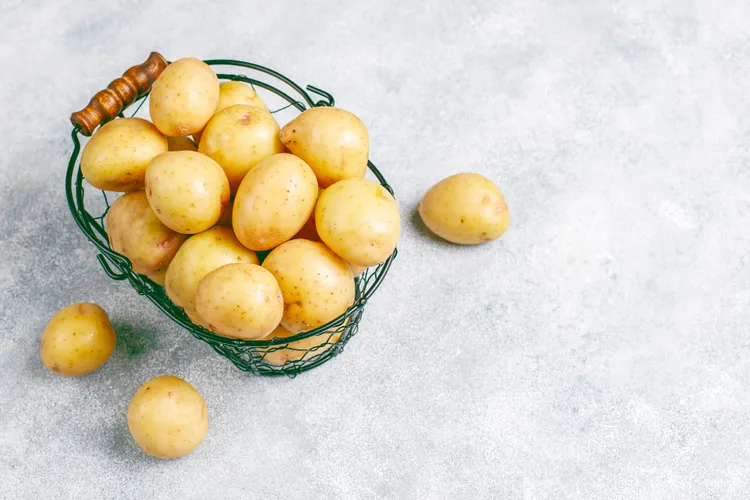
Boiling potatoes whole, skin on, preserves more nutrients (less surface area for water-soluble vitamins to leach out) and produces a firmer, less waterlogged result than boiling peeled, cut pieces, since the skin acts as a barrier. This is the standard approach for potato salad, where waxy potatoes are typically boiled whole and cut afterward, once cooked and cooled.
Testing for Doneness
The reliable test is a thin knife or skewer inserted into the thickest part of the potato: it should slide in with no resistance, the way it would through softened butter. Stop checking with a fork, which leaves larger holes that let water in and accelerates breakdown at the very end of cooking, when potatoes are most fragile.
Approximate Timing by Size
- Small whole potatoes (1-2 inches): 15-20 minutes from cold water.
- Medium whole potatoes: 20-25 minutes.
- Large potatoes, cut into 1-inch chunks: 12-15 minutes.
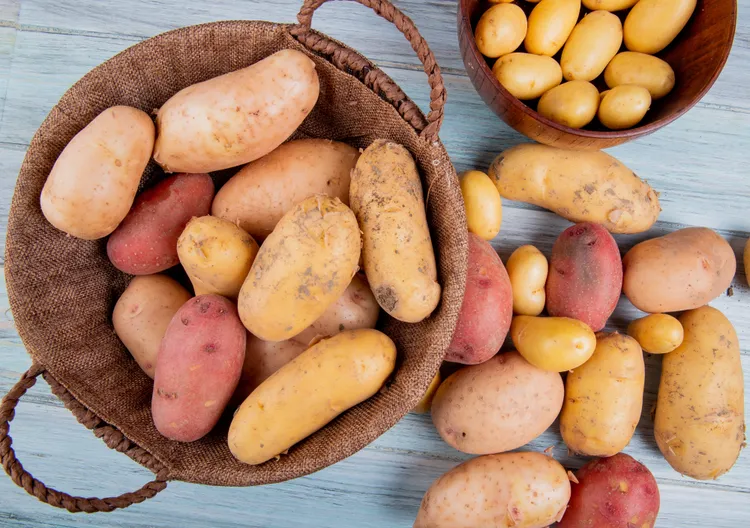
These are starting points, not guarantees; actual timing shifts with variety (waxy potatoes tend to hold slightly longer than starchy ones before breaking down) and how large the pieces actually are. Always confirm with the knife test rather than the clock.
Once They're Done
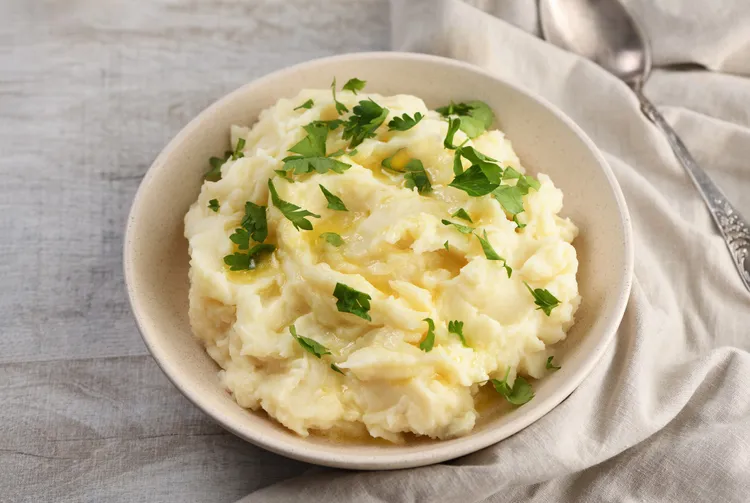
Drain immediately once tender; potatoes left sitting in hot water continue cooking from residual heat and can overshoot doneness within a couple of minutes. From here, the potatoes are ready for mashing (see Creamy Mashed Potatoes Without the Gluey Texture) or for cooling into a salad.
Latest