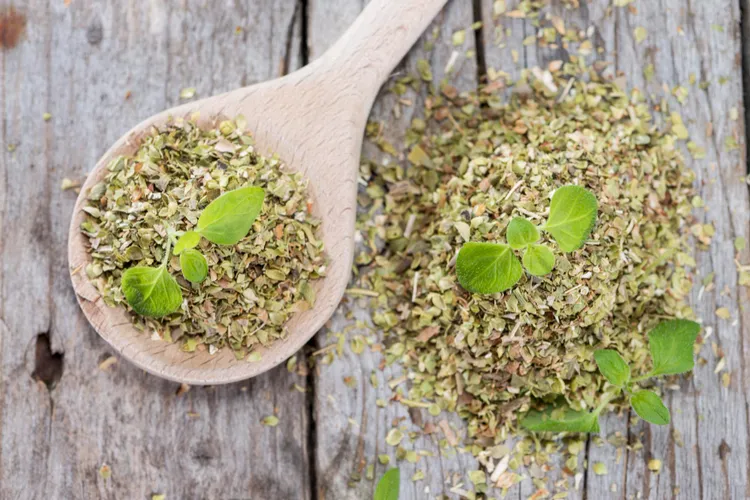
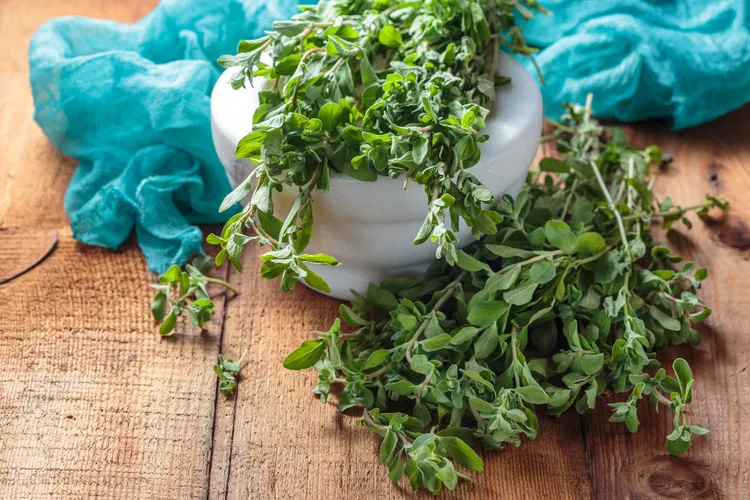
Fresh vs Dried Oregano: Why Dried Is Often Better
Oregano is unusual among herbs: drying concentrates its flavor rather than dulling it. Here's when each form actually wins.
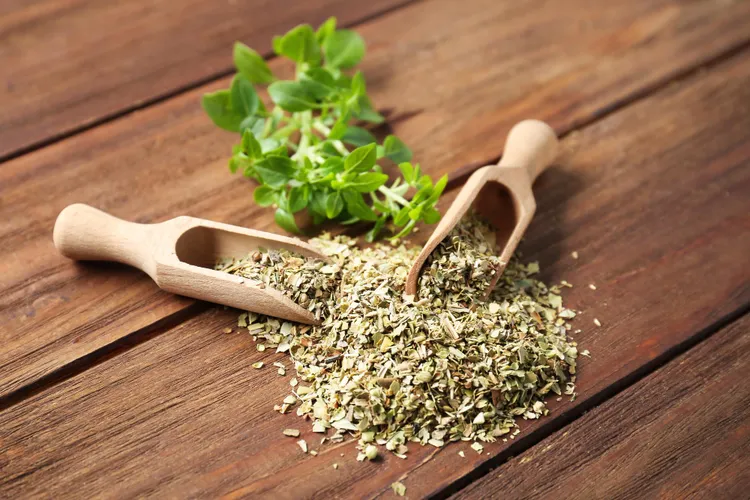
Most cooking advice treats fresh herbs as automatically superior to dried, and for good reason, that's true for basil, dill, parsley, and most other soft herbs. Oregano breaks that pattern, and understanding why changes how you should be stocking your spice cabinet.
The Chemistry Behind It
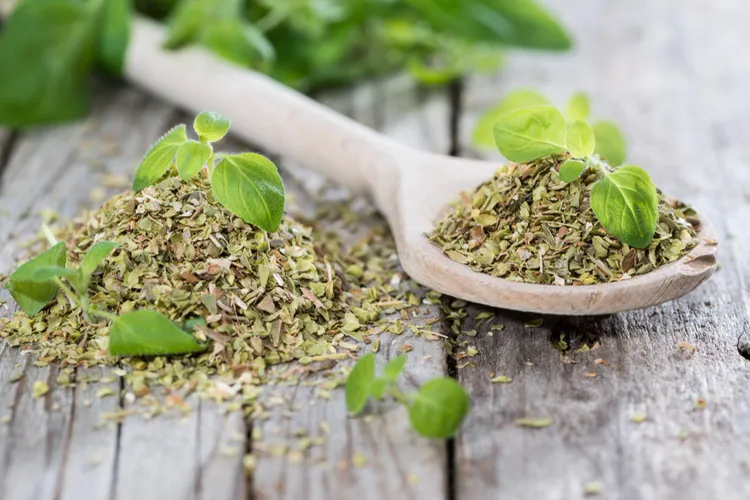
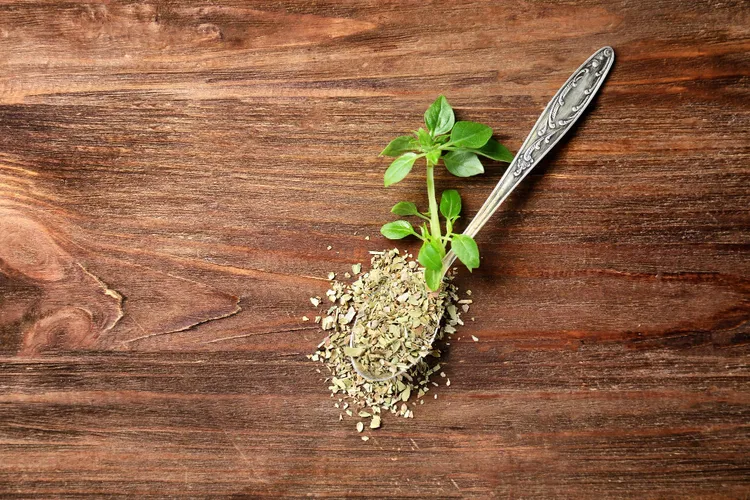
Fresh oregano's flavor comes from a mix of volatile aromatic oils, most notably carvacrol and thymol, held within its leaf tissue. As the leaf dries, water content drops dramatically while these oils remain largely intact and become more concentrated relative to the leaf's total mass. This is the opposite of what happens with a delicate herb like basil, where drying causes real loss of the more fragile aromatic compounds. Oregano's oils are sturdier and more heat- and time-stable, so drying acts more like concentration than degradation.
This is also why dried oregano has such a long shelf life relative to other dried herbs, often holding good flavor for a year or more, compared to a more fragile dried herb that fades within several months.
What Fresh Oregano Actually Offers
Fresh oregano isn't obsolete, it has its own character: brighter, slightly more floral, and less aggressively pungent than the dried form. It works well where a subtler oregano presence is wanted, or where the leaf's texture matters, like a fresh garnish over a finished dish or worked raw into a salad dressing. Fresh oregano is also useful when a dish calls for the herb without much cooking time to let dried oregano rehydrate and mellow.
When Dried Wins
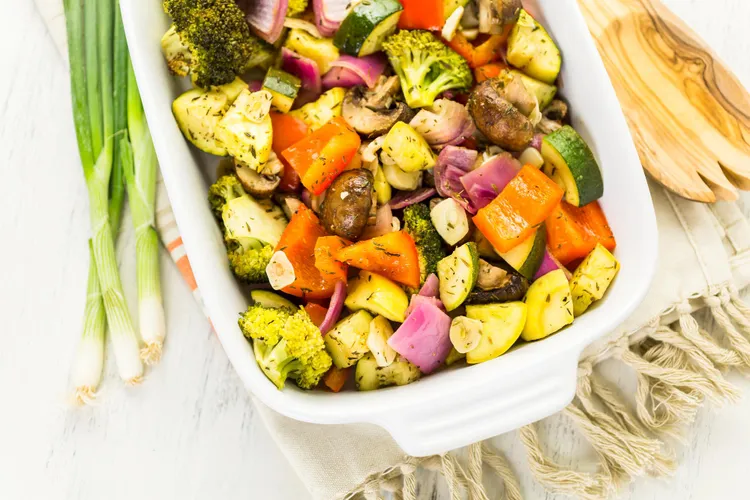
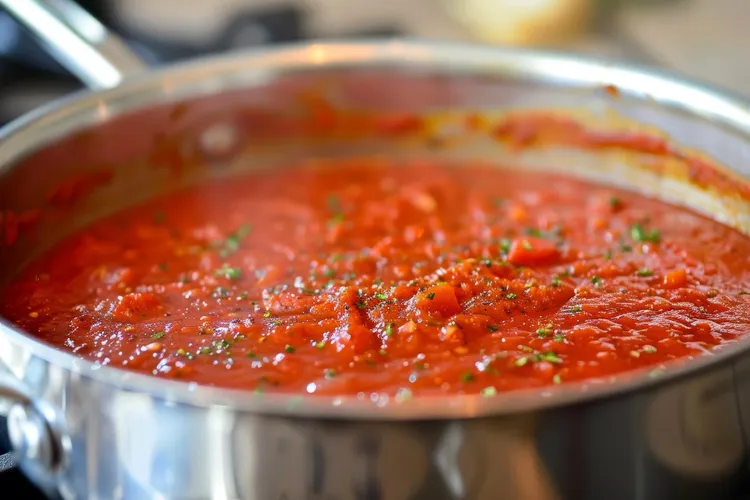
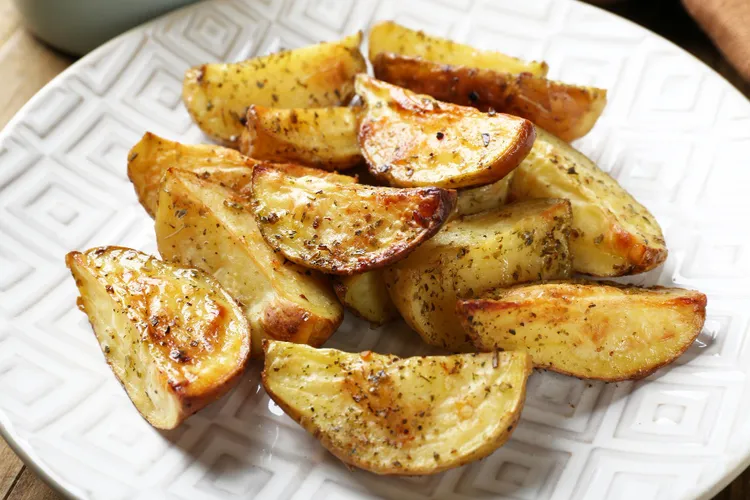
For most classic applications, tomato sauce, roasted meats, a Greek-style marinade, dried oregano's bolder, more concentrated flavor holds up better through cooking and delivers the robust, savory character these dishes are known for. A pinch of dried oregano added early in a simmering sauce has time to rehydrate and release its oils fully into the dish, producing a rounder, more integrated flavor than a similar amount of fresh oregano would.
When Fresh Wins
- Raw applications: a dressing or a quick marinade where there's no cooking time to mellow dried oregano's sharper edges
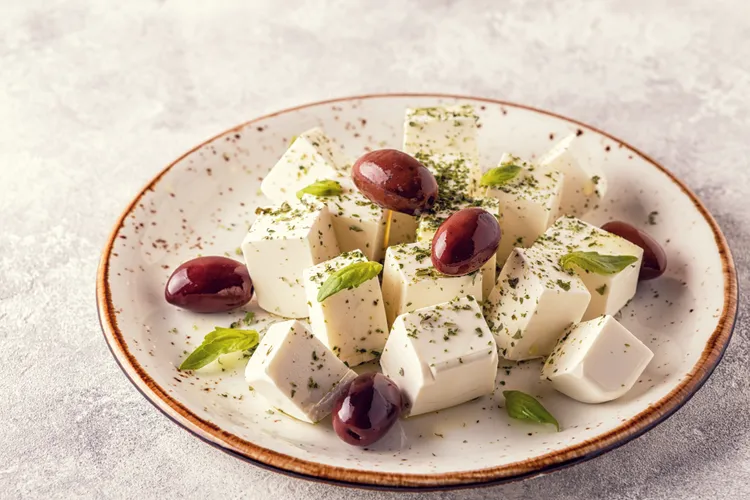
- Garnishing: a few fresh leaves scattered over a finished dish for a lighter, fresher visual and flavor accent
- Delicate dishes: where a subtler oregano presence is wanted rather than a bold, assertive one
A Practical Rule of Thumb
If a dish involves real cooking time, a simmered sauce, a roast, a braise, reach for dried oregano. If a dish is raw or only briefly heated, a dressing, a quick marinade, a finishing touch, fresh oregano is usually the better fit. This isn't an absolute rule, but it covers the majority of everyday cooking decisions correctly.
How Long the Advantage Lasts
Dried oregano's flavor doesn't stay concentrated forever; it fades gradually over time even in good storage conditions, just far more slowly than a delicate dried herb. A jar kept airtight, away from heat and light, holds strong, distinct flavor for a year or more, well past the point where a dried basil or dill would already taste flat. Past that window, dried oregano doesn't spoil, but it does lose enough potency that recipes calling for it may need noticeably more than the standard amount to compensate.
Buying Dried Oregano Well
Because so much of dried oregano's appeal comes down to how concentrated and fresh it still is, buying from a source with good turnover, a specialty spice shop or a well-stocked grocery store rather than a jar that's been sitting on a shelf for an unknown length of time, makes a real difference. Whole dried leaves generally hold their flavor a bit longer than pre-ground oregano, since grinding exposes more surface area to air and accelerates flavor loss.
Common Mistakes
- Assuming fresh is always the "better" choice. This is true for most herbs but specifically not for oregano in most cooked applications.
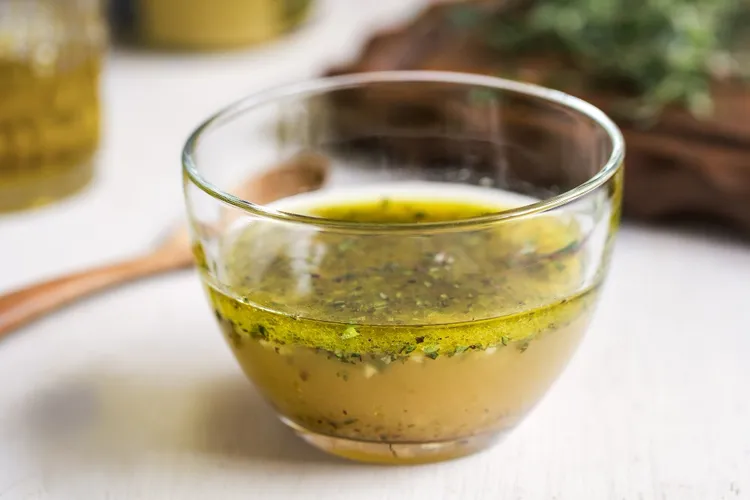
- Using dried oregano in a raw application without adjusting. Dried oregano's texture can feel gritty and its flavor overly sharp in something like a quick vinaigrette that isn't cooked; fresh often works better here.
- Buying dried oregano in bulk and letting it sit for years. Even oregano's unusually long shelf life has limits; buy reasonable quantities and replace it every year or two for the best flavor.
- Buying pre-ground oregano when whole dried leaves would hold flavor longer. Unless a recipe specifically benefits from a fine, evenly distributed texture, whole dried leaves crushed just before use generally deliver more flavor.
Frequently Asked Questions
Does this apply to all oregano varieties?
The general principle holds for both Mediterranean and Mexican oregano, though see Mexican Oregano vs Mediterranean Oregano for how the two varieties differ beyond the fresh-versus-dried question.
How can I tell if dried oregano has gone stale?
Rub a small pinch between your fingers; it should release a strong, immediately noticeable aroma. If it smells faint, dusty, or like almost nothing, it's past its useful life even if it hasn't technically "gone bad."
Can I dry my own fresh oregano at home?
Yes, oregano is one of the easier herbs to dry successfully, similar to sage, since its sturdier leaf structure and heat-stable oils make it forgiving of most home drying methods, air drying, oven drying, or a dehydrator.
Does the fresh-versus-dried preference apply to other Mediterranean herbs too?
To some degree, yes; rosemary and thyme also hold up well dried compared to a delicate herb like basil, though oregano's specific concentration effect is especially pronounced.
Tips for Success
Keep both forms on hand if you cook a range of oregano-forward dishes regularly, dried for the bulk of everyday cooking and a small amount of fresh for dressings and garnishes. Planning a week's meals with this distinction in mind, saving dried oregano for the simmered dishes and fresh for the quick ones, gets the most out of both forms as part of a simple weekly meal plan.
Latest