Mexican Oregano vs Mediterranean Oregano: Not the Same Herb
Mexican and Mediterranean oregano come from entirely different plant families. Here's how their flavors differ and which dishes call for which.

A lot of recipes assume "oregano" means one specific thing, but two herbs sold under that same name come from entirely different plant families and taste distinctly different once you know what to compare them against.
Two Different Plants
Mediterranean oregano (Origanum vulgare) belongs to the mint family and is the variety most commonly found in grocery stores labeled simply "oregano," associated with Italian and Greek cooking. Mexican oregano (most commonly Lippia graveolens) belongs to the verbena family entirely, an unrelated plant that happens to share a similar aromatic profile and culinary role, which is why it ended up with the same common name despite the botanical difference.
Flavor Differences
Mediterranean oregano has a warm, slightly sweet, herbaceous flavor with a peppery, savory edge, the flavor most people associate with pizza and Italian-American cooking. Mexican oregano is bolder and more citrusy, with earthy, slightly licorice-like undertones that Mediterranean oregano doesn't have. This citrus note comes through especially clearly in dishes where Mexican oregano is used generously, like a pot of chili or a batch of salsa.
Why the Distinction Matters in Cooking
Using Mediterranean oregano in a dish that calls for Mexican, or the reverse, doesn't ruin a dish, but it does shift the flavor profile in a way attentive cooks and diners will notice. A pot of chili made with Mediterranean oregano tastes recognizably more "Italian-adjacent" and less authentically Tex-Mex than the same recipe made with Mexican oregano, even though both are called oregano and both are technically valid seasoning choices.
Which Dishes Call for Which
- Mexican oregano: chili, tacos, salsa, mole, and most Tex-Mex or Mexican regional dishes; see Mexican and Tex-Mex Recipes That Actually Use Mexican Oregano for specific applications
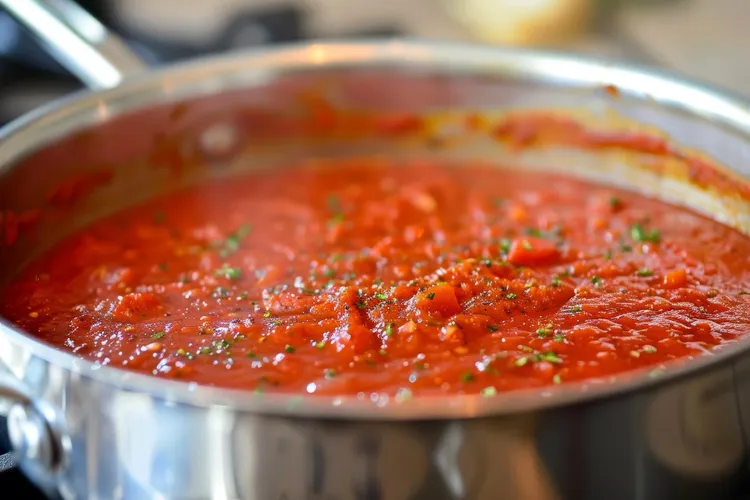
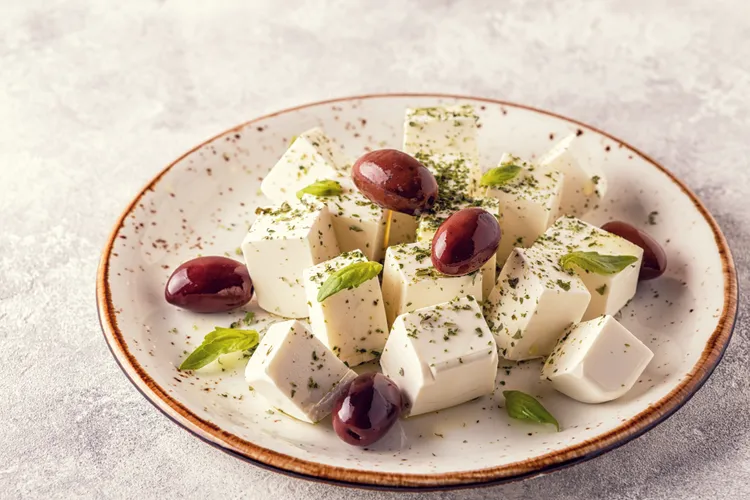
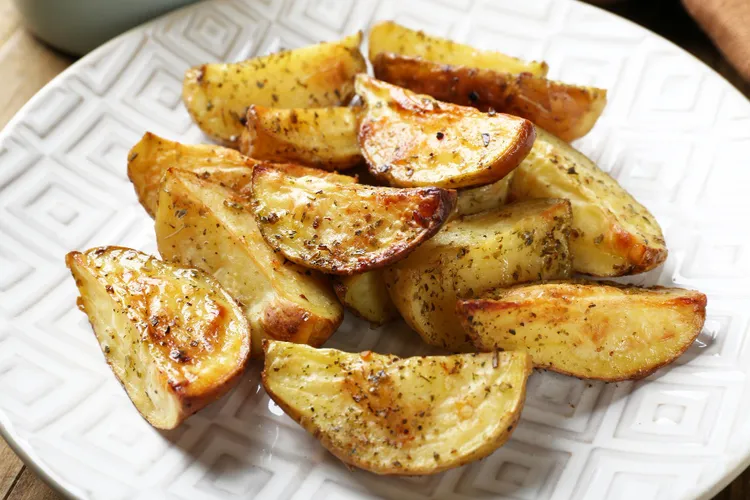
- Mediterranean oregano: Italian tomato sauces and pizza, Greek dishes like lemon potatoes and horiatiki salad, and most general "Mediterranean" or "Italian seasoning" contexts
Where to Find Mexican Oregano
Mexican oregano is less universally stocked than Mediterranean oregano in a standard grocery store, though it's increasingly common in the international or Latin foods aisle, and reliably available at Mexican and Latin American grocery stores or spice shops. It's worth seeking out specifically for dishes where it's traditional, rather than defaulting to whatever oregano is already in the cabinet.
How to Tell Them Apart Visually
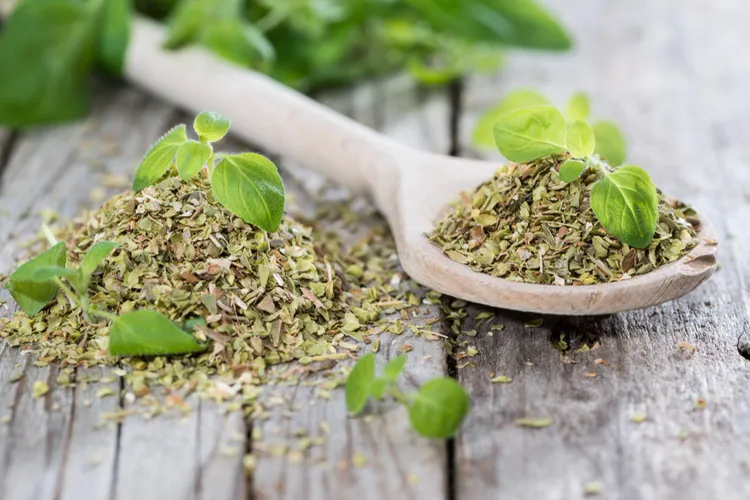
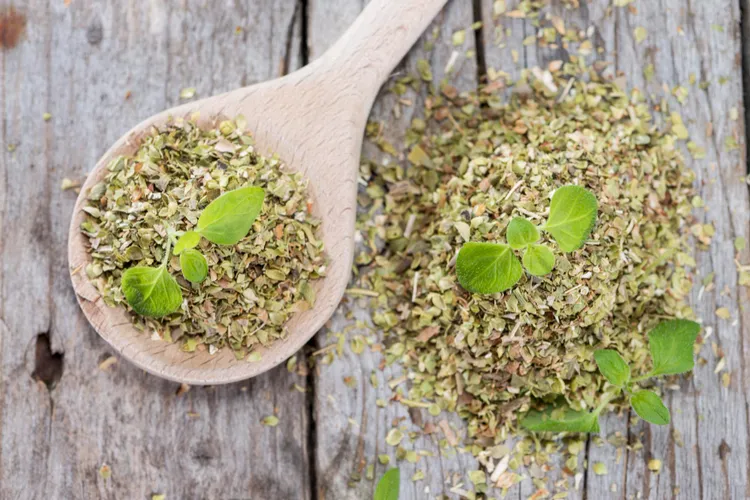
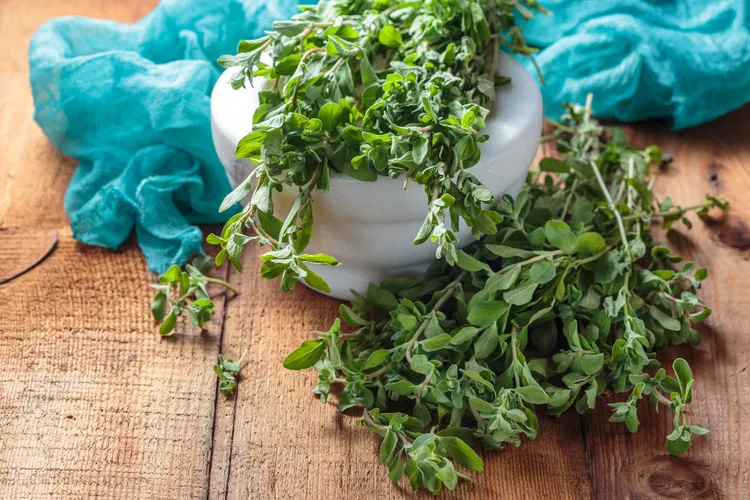
Mediterranean oregano typically has small, oval, slightly fuzzy green leaves and a more compact, bushy growth habit. Mexican oregano's leaves tend to be a bit larger, more elongated, and slightly coarser in texture, growing on a shrubbier plant. In dried form, the visual difference is much harder to spot, which is part of why relying on the label rather than appearance is the more reliable approach once either herb is dried and jarred.
A Bit of History Behind the Shared Name
Mexican oregano earned its name because early Spanish colonizers and settlers, familiar with Mediterranean oregano from their own culinary tradition, encountered a local Mexican plant with a broadly similar aroma and culinary role and applied the same familiar name to it, despite the two plants being unrelated botanically. This kind of naming based on function rather than taxonomy isn't unique to oregano, but it's a good reminder that a shared common name doesn't always mean a shared origin.
Common Mistakes
- Assuming all oregano at the grocery store is interchangeable. A jar simply labeled "oregano" without further specification is almost always Mediterranean oregano, even in a recipe that calls for the Mexican variety.
- Overpaying for imported Mediterranean oregano when a Mexican dish calls for the other variety. A more expensive, imported Mediterranean oregano won't deliver the citrusy, earthy flavor Mexican oregano provides, regardless of quality.
- Assuming the two are simply different growing regions of the same plant. They're genuinely different plant families, not regional variants of one species.
- Relying on leaf appearance to distinguish dried jars. Once dried and crumbled, the two look similar enough that checking the label is far more reliable than trying to identify by sight.
Frequently Asked Questions
Can I substitute one for the other in a pinch?
Yes, reasonably, though expect a noticeably different flavor character. See Oregano Substitutes for more on managing a substitution when the exact variety isn't available.
Is one variety stronger than the other?
Mexican oregano is often described as slightly more pungent and assertive than Mediterranean oregano, though both vary somewhat by growing conditions and freshness.
Does the fresh-vs-dried distinction apply the same way to both varieties?
Yes, both varieties generally intensify and concentrate when dried rather than losing flavor, similar to the general oregano pattern described in Fresh vs Dried Oregano.
Are there other regional oregano varieties besides these two?
Yes, Cuban oregano and Greek oregano are sometimes distinguished as their own specific varieties or cultivars, though for most home cooking purposes, the Mediterranean-versus-Mexican distinction covers the vast majority of practical decisions.
Tips for Success
If cooking a mix of Italian, Greek, and Mexican dishes regularly, it's worth keeping both varieties on hand rather than relying on one for everything. Labeling jars clearly, since dried oregano of either variety looks quite similar, avoids mixing them up when planning a week of meals across different cuisines as part of a regular meal plan.
Latest