Citrus Zest, Cheese Rinds, and Corn Cobs: The Flavour Scraps Worth Keeping
Some kitchen scraps add more flavour than the ingredients they come from. This guide covers the specific scraps worth keeping - Parmesan rinds, corn cobs, citrus zest, anchovy oil - with storage instructions and exactly how to use each one.
Most zero-waste cooking focuses on not wasting food. This is about something different: the scraps that don't just avoid waste but actively improve your cooking. A Parmesan rind simmered in a bean soup adds more depth than a tablespoon of the cheese would. Corn cob stock has a sweetness that transforms a summer soup. Citrus zest carries flavour compounds that the juice entirely lacks. Knowing which scraps fall into this category - and building a habit of keeping them - is one of the most useful things you can add to your kitchen practice.
Parmesan Rinds
What they are: The hard outer edge of a wedge of Parmesan (or Pecorino, or Grana Padano), typically cut off and discarded before using the cheese.
Why they're valuable: Parmesan rind is dense with glutamates - the compounds responsible for umami. When simmered in liquid for 20+ minutes, it releases these compounds slowly, adding deep savouriness and body to soups, stews, and braises. The rind itself becomes slightly soft and is edible (pleasantly chewy, intensely flavoured), but its main value is what it adds to the surrounding liquid.
How to use: Drop a 5-8cm piece of rind into minestrone, bean soups, tomato sauce, or any long-cooked braise when you add the liquid. Remove before serving or eat it - either is fine. The difference it makes in a chickpea soup or a slow tomato sauce is noticeable from the first spoonful.
How to store: Freeze them. Keep a small bag in the freezer labelled "Parmesan rinds" and add to it whenever you finish a wedge. They go directly from frozen into the pot - no thawing needed.
Citrus Zest
What it is: The outermost coloured layer of citrus peel - lemon, lime, orange, grapefruit - containing the aromatic oils that give the fruit its characteristic scent and flavour.
Why it's valuable: Citrus juice is primarily acid and water. The zest is where the flavour compounds live - the terpenes, specifically limonene (lemon), that create the citrus aromatics. A dish that uses juice but not zest gets the acidity without the full flavour. Adding zest in addition to juice produces a noticeably more aromatic, more complex result in everything from pasta to salad dressings to marinades.
When to zest: Any time you're cutting a citrus fruit to use the juice, zest it first. The zest takes 30 seconds and the fruit is going to be cut anyway. Use the zest immediately or store it.
How to store: Fresh zest keeps for 3-4 days wrapped in cling film in the fridge. For longer storage: mix zest with an equal weight of sugar (lemon sugar, orange sugar) and keep in a jar in the fridge for up to 3 weeks - use in baking or dissolve in dressings. Alternatively, freeze zest dry in a small bag - it loses a little aromatics but is usable for 3 months.
Uses: Stirred into yogurt, cream cheese, or butter; mixed into salad dressings; folded into cake or muffin batter; grated over pasta with olive oil; added to a marinade for baked salmon.
Corn Cobs
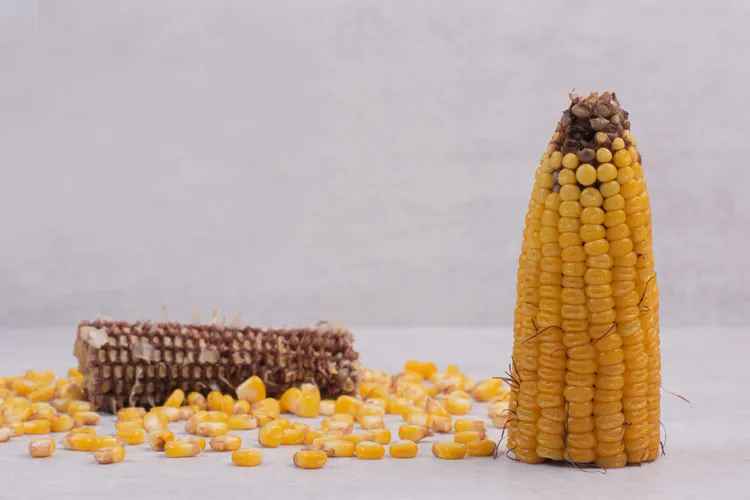
What they are: The central woody core of a corn ear after kernels are cut off.
Why they're valuable: Corn cobs contain a significant amount of natural sugar and corn flavour that extraction into liquid releases fully. Corn cob stock is one of the most intensely sweet, flavourful stocks that can be made from a scrap, and it costs nothing if you're already cooking with corn.
How to make corn cob stock: Put 2-4 cobs in a pot, cover with 2 litres of water, add half an onion and a bay leaf, bring to a simmer for 45-60 minutes. Strain. The resulting stock is golden, naturally sweet, and excellent as the base for corn chowder, summer vegetable soups, or polenta cooked in stock rather than water. It also freezes perfectly for up to 3 months.
When it works: This is a summer scrap - worth collecting during corn season (typically June-September in the northern hemisphere) and freezing the resulting stock for later use.
Anchovy Oil
What it is: The oil in a tin or jar of anchovies, often discarded when the anchovies are used.
Why it's valuable: Anchovy-infused oil carries significant umami and a subtle fish flavour. It's an excellent cooking fat for dishes where those qualities are welcome: frying garlic for a pasta sauce, dressing a Caesar-style salad, making a quick pan sauce for beef or lamb.
How to store: Transfer to a small jar and keep in the fridge for up to 2 weeks. Use in the same quantity as regular olive oil wherever a savoury, slightly funky note would be welcome.
Mushroom Soaking Liquid
What it is: The liquid produced when dried mushrooms are rehydrated in hot water.
Why it's valuable: Dried mushrooms - porcini especially - produce a deeply flavoured liquid packed with glutamates. This soaking liquid is free stock, essentially, with a concentrated mushroom and umami character that adds significant depth to risotto, soups, stews, and braises.
How to use: Pour carefully, leaving the last centimetre in the bowl (grit from dried mushrooms settles at the bottom and tastes unpleasant). Strain through a fine sieve if particularly gritty. Add to risotto in place of some of the stock, stir into a pasta sauce, or deglaze a pan with it.
A Final Note on Which Scraps Aren't Worth It
Not every scrap is worth saving. Avocado skins and pits, mango peels, and brassica trimmings (broccoli stems excepted) don't offer meaningful culinary value and don't belong in the scrap bag. The honest guide to which vegetable parts are worth keeping is in Root-to-Stem Cooking. For the complete framework, the Zero-Waste Cooking Systems guide covers all five interlocking systems.
Latest