Root-to-Stem Cooking: Which Vegetable Parts Are Actually Worth Eating
Root-to-stem cooking is a good idea buried under a lot of forced enthusiasm. This is the honest guide - which tops, stems, and leaves are genuinely good to eat, which ones are fine in stock, and which ones you can skip without guilt.
There's a version of root-to-stem cooking that involves convincing yourself that carrot tops taste fine in a salad. They don't. They're bitter, somewhat astringent, and require serious seasoning to become remotely pleasant. Eating them isn't zero-waste cooking - it's performative waste reduction that produces a bad meal. The actually useful version of root-to-stem cooking is much simpler: know which parts are genuinely good, know which ones belong in stock, and stop feeling guilty about the ones that are better composted.
The Three Categories
Every vegetable trimming falls into one of three categories: worth eating as-is, worth cooking (including stock), or not worth saving at all. Here's the honest breakdown by vegetable.
Parts That Are Genuinely Good to Eat
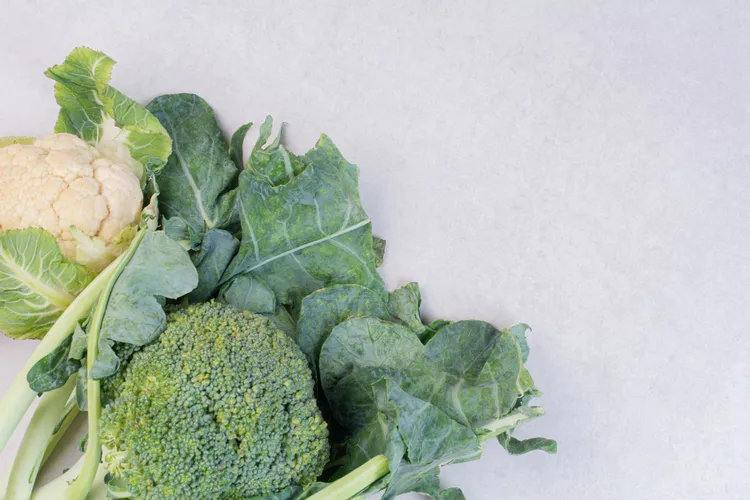
Broccoli stems: Almost always discarded, and it's a waste. The stems are denser than the florets but have a mild, sweet flavour that works well sliced thin and stir-fried, peeled and cut into batons for crudites, or shaved raw into a slaw. Peel the outer inch of skin (it's fibrous and tough) and the interior is excellent. Taste: mild broccoli, slightly sweeter than the florets.
Cauliflower leaves: The large outer leaves are slightly waxy and hold up to roasting well - toss with oil, salt, and pepper and roast at 200°C for 15-18 minutes until charred at the edges. The small inner leaves that nestle between the florets are tender enough to use raw in a salad. Distinctly good.
Leek tops (dark green parts): The dark green tops are tougher and more fibrous than the white and light green parts, but they're intensely flavoured. Not ideal for eating straight, but excellent in stock - they're the most flavourful part of the leek for broth. If you want to eat them, braise them low and slow in butter and a splash of stock until completely soft, about 25 minutes.
Fennel fronds: The feathery fronds that top fennel bulbs have a mild, fresh anise flavour that works as an herb. Use them like dill: scattered over fish, stirred into dressings, or mixed into a yogurt sauce. The fennel stalks are too woody to eat comfortably but excellent in stock (though dominant - use sparingly).
Celery leaves: Sharp, concentrated celery flavour - much stronger than the stalks. Use as a herb: in salads, in soups added at the end, in chimichurri, in tabbouleh. A handful of celery leaves in a vegetable soup adds depth that celery stalks alone don't achieve.
Beetroot tops: Young beet greens are genuinely good - similar to chard, which is in the same botanical family. Wilt in olive oil and garlic exactly as you would chard. Older, tougher beet greens are better cooked than eaten raw, but still excellent sauteed. This is one of the most underused parts of any vegetable.
Radish tops: Peppery, slightly hairy (less so when young), and perfectly fine wilted in butter or used raw in modest quantities in a salad. Best used young when the leaves are small and tender.
Pea shoots: The tendrils and young leaves of pea plants are sold as a premium salad ingredient. If you're growing peas, these are genuinely excellent raw or lightly wilted.
Parts Best Used in Stock
These parts have good flavour but a texture or bitterness that makes them unpleasant to eat directly. They belong in the scrap bag for stock.
- Onion skins and papery outer layers - excellent colour and gentle sweetness in stock
- Carrot tops - bitter as food, acceptable in stock in small quantities
- Parsley stems - more flavourful than leaves for stock; always save them
- Mushroom stems - especially dried mushroom stems, which add significant umami
- Corn cobs after kernels are cut off - extraordinary sweetness in summer stocks
- Leek roots and very dark tops
For exactly what to put in a scrap-bag stock and what to avoid, the Vegetable Scrap Stock guide covers this in full - including which scraps (brassicas) will actively ruin your batch.
Parts You Can Compost Without Guilt
Not every vegetable scrap is worth saving. Some are fine to compost:
- Carrot tops in large quantities (genuinely quite bitter as food)
- Brassica leaves and stems from older plants (tough, strong-flavoured, and they damage stock)
- Tough outer leaves of artichokes
- Avocado skins and pits (the pit-in-guacamole trick to prevent browning is a myth)
- Citrus piths in large quantities (too bitter for stock)
The goal of root-to-stem cooking is to waste less, not to eat everything regardless of quality. A meal made worse by forcing in vegetable trimmings that don't belong there isn't a win - it just makes cooking feel like a chore.
The Practical Setup
Two containers in the fridge: one for stock scraps (onion skins, celery leaves, mushroom stems, parsley stems), one for vegetable trimmings worth eating this week (broccoli stems, cauliflower leaves, beet greens). The stock scraps get frozen when the container is full. The eating scraps get used within 3-4 days - tossed into a stir-fry, added to a soup, or wilted in butter as a side dish. This system makes root-to-stem cooking practical rather than aspirational. For the full framework, see the Zero-Waste Cooking Systems guide.
Latest