Freezer as a System: What to Freeze, How Long, and How to Actually Use It
Most home freezers are graveyards - packed with labelled good intentions that never get used. This guide turns your freezer into a rotation system, covering what freezes well, what doesn't, and the weekly habit that keeps things moving.
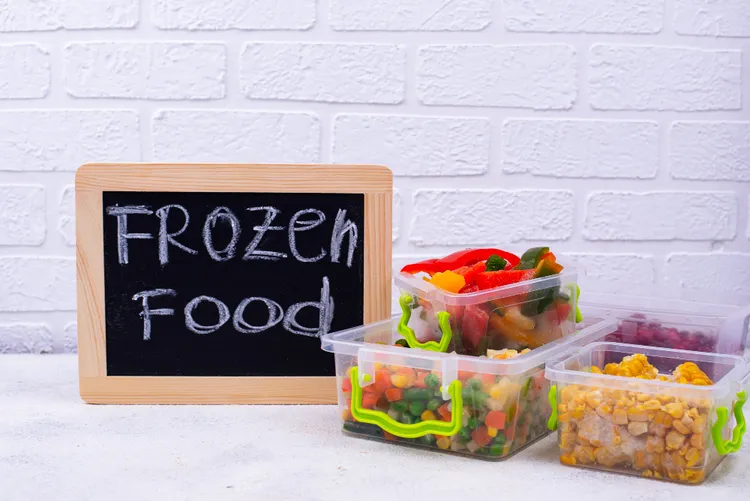
The problem with most freezers isn't storage capacity. It's that things go in and never come out. A container of leftover soup gets frozen in October with the best of intentions and found in March with freezer burn and no label. The freezer has become a guilt repository rather than a tool.
A functional freezer requires two things that most people don't have: a labelling system they actually follow, and a habit of using what they freeze. Neither is complicated, but both need to be built deliberately.
What Freezes Well (and Why)
Not everything survives the freezer in usable condition. The key variable is water content and cell structure. High water-content vegetables (cucumber, lettuce, tomatoes, courgette) turn to mush when frozen because the water expands, ruptures the cell walls, and leaves behind a watery, textureless mass when thawed. This isn't dangerous - it's just unpleasant.
Excellent freezer candidates:
- Cooked soups, stews, and braises - freeze and reheat identically to fresh
- Cooked legumes (beans, lentils, chickpeas) - freeze in 200g portions, use directly from frozen in soups
- Stock and broth - freeze in 500ml containers or ice cube trays
- Cooked grains (rice, barley, farro) - freeze flat in bags, break off portions as needed
- Raw meat and fish (sealed properly) - 2-3 months for poultry, 3-4 months for red meat, 2-3 months for most fish
- Bread - sliced bread can go directly from freezer to toaster; whole loaves thaw in 2-3 hours at room temperature
- Bananas (peeled) - freeze when overripe; perfect for smoothies or baking
- Cheese (harder varieties) - grated parmesan or cheddar freezes well for cooking use, though texture changes make it less suitable for eating raw
- Butter - indefinitely
Poor freezer candidates:
- Salad leaves, cucumber, tomatoes, courgette (raw)
- Cooked pasta (goes mushy)
- Potatoes, except when mashed or in a cooked dish
- Cream-based sauces (split on thawing)
- Fried foods (lose crispness permanently)
- Mayonnaise-dressed dishes
The Labelling System
Every item that goes into the freezer needs: contents, date frozen, and portion size. Not one of these - all three. "Soup - 13 March - 2 portions" takes five seconds to write and means the difference between something that gets used and something that lurks for eight months.
Masking tape and a permanent marker is all you need. Stick it on the container before it goes in. Never freeze something without a label, even if you're sure you'll remember - you won't.
The Weekly Freezer Audit
This is the habit that separates a functional freezer from a graveyard. Once a week, before you do your main shop, spend two minutes checking the freezer. What's been in there the longest? What's approaching the end of its ideal window? Plan one meal that week around something from the freezer. This single habit, applied consistently, means things actually get eaten rather than accumulating indefinitely.
Combine this with the fridge audit described in the Use-It-Up Week guide - the same pre-shop check of what needs using before anything new comes in.
How Long Does Frozen Food Actually Last?
Frozen food stays safe to eat indefinitely at -18°C or below - the dates below are about quality, not safety.
- Poultry (raw): 9-12 months best quality; safe beyond that
- Red meat (raw): 4-6 months for minced, 6-12 months for steaks and joints
- Fish (raw): 2-3 months for lean fish (cod, haddock); 1-2 months for oily fish (salmon, mackerel)
- Cooked meals and soups: 2-3 months for best quality
- Stock and broth: 4-6 months
- Bread: 1-3 months
- Fruit and blanched vegetables: 10-12 months
Freezer Organisation Logic
Apply the same rotation logic as the fridge: new items go behind old items. Group by category - proteins in one zone, meals and soups in another, bread and pastry in another. A freezer you can see into and navigate in under ten seconds is a freezer you'll actually use.
Flat-freezing helps. Soups and stews in zip-lock bags, frozen flat, stack like books and take up a fraction of the space of bulky containers. Once frozen solid, stand them upright - they fit into the door racks and are easy to pull out individually.
Thawing: The Right and Wrong Way
The right way to thaw most things is overnight in the fridge. This keeps the food at a safe temperature throughout and produces better texture than microwave thawing. For soups and stews, you can go directly from frozen to a saucepan on low heat - no thawing required. For bread, room temperature for 1-2 hours is fine. Never thaw raw meat at room temperature for extended periods (over 2 hours) - the exterior reaches bacteria-friendly temperatures while the interior is still frozen.
For how the freezer fits into the broader zero-waste kitchen, the full system is in the Zero-Waste Cooking Systems guide.
Latest