How to Hit Your Protein Goal Without Eating the Same 5 Foods
Chicken breast, eggs, Greek yogurt, cottage cheese and protein powder aren't the only way to hit your number. Here's how to build real variety into a high-protein diet without falling short on grams.
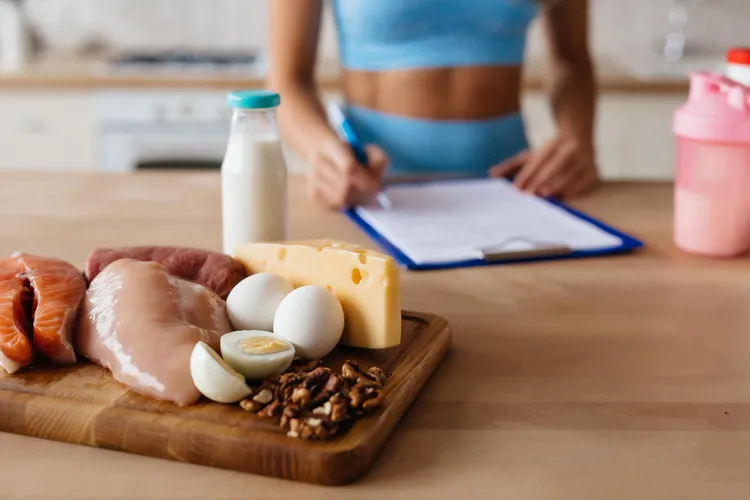
Protein fatigue is real. You start tracking macros, discover you're short 40-50g a day, and default to the same handful of foods because you already know their numbers by heart. Six weeks later you can't look at another chicken breast. The good news: hitting 120-180g of protein a day doesn't require a rotation of five foods. It requires knowing which categories deliver protein efficiently, then rotating within and across them.
Why Everyone Ends Up Eating the Same 5 Foods
Chicken breast, eggs, Greek yogurt, cottage cheese and whey protein show up everywhere because they're protein-dense, cheap per gram, and easy to weigh. A 6 oz chicken breast delivers about 50g protein for roughly 280 calories. That's a hard ratio to beat, so people lean on it and stop looking elsewhere. The problem isn't that these foods are bad - it's that relying on five foods long-term kills appetite for the whole plan.
Map Out Your Protein Categories
Instead of memorizing individual foods, think in categories. Each one has multiple options with a similar protein-per-calorie ratio, so swapping inside a category doesn't wreck your macros.
Poultry, beyond the breast
Chicken thighs run about 26g protein per 4 oz cooked and cost less than breast in most stores. Pan-roasted chicken thighs hold up well for four or five days in the fridge, which makes them a better meal-prep anchor than breast, since they don't dry out on reheat. For a change of pace, bacon-wrapped chicken Kyiv or balsamic chicken and mushrooms deliver the same 35-40g per serving with a completely different flavor profile, so it doesn't feel like the same meal on repeat.
Red meat and pork
Ground beef, pork tenderloin, and sausage all land in the 22-28g protein per 4 oz range. Keto meatballs with a mustard-sour cream sauce and stuffed meatloaf with spinach and goat cheese both freeze well, so you can batch a double portion and thaw single servings through the week without cooking twice. Italian sausage and bacon soup is worth keeping in rotation too - a bowl runs close to 30g protein and reheats better than most meat dishes.
Seafood
This is the category most people skip, usually over cost or smell concerns, but it's where protein variety actually lives. Salmon delivers about 34g protein per 6 oz fillet along with omega-3s poultry doesn't have. Foil-baked salmon with asparagus cooks in one pan and takes under 30 minutes. Shrimp is nearly as protein-dense at 24g per 4 oz and cooks in minutes - shrimp and peppers is a 15-minute dinner. On the budget end, canned or fresh sardines run about 23g protein per 3.75 oz tin for under $2; five-minute fried sardines with olives is the fastest protein-dense meal on this list.
Eggs and dairy, used differently
Eggs don't have to mean a plain scramble every morning. Egg, spinach and bacon muffins batch-cook a dozen at once - roughly 12g protein each, grab-and-go for the whole week. Folding cottage cheese into an omelet stacks two protein sources in one dish and pushes a single serving past 25g without adding a second food to track. When you want something warm and fast, egg drop soup delivers 15-18g in one bowl in under 10 minutes.
Build a Weekly Rotation Instead of a Daily Habit
The fix for protein fatigue isn't eating something different every single meal - that's not sustainable either. It's rotating on a weekly cycle so no single food shows up more than twice in seven days.
- Pick two proteins to batch-cook on a prep day - one from poultry, one from red meat or seafood. This covers 8-10 servings across the week.
- Keep one fast option on hand for nights you don't want to cook - canned sardines, a cottage cheese bowl, or an egg drop soup base all take under 10 minutes.
- Rotate the category, not just the recipe. Two chicken thigh recipes in one week still counts as "chicken twice." Alternate poultry, red meat, and seafood across your batch-cooked meals.
A Sample Day That Isn't Chicken and Eggs
Breakfast: Egg and cottage cheese omelet - about 28g protein, 320 calories.
Lunch: Pan-roasted chicken thighs over a lemon cabbage salad - about 38g protein.
Snack: A tin of fried sardines with olives - about 23g protein.
Dinner: Foil-baked salmon with asparagus - about 34g protein.
That's roughly 123g protein across four eating occasions without touching a protein shake or a plain chicken breast, and every meal is a different flavor profile.
Use Add-Ins to Close Small Gaps
Not every gap needs a full extra meal. If you're 15-20g short at the end of the day, a smaller add-in closes it without forcing down another full portion:
- Cottage cheese stirred into eggs or eaten plain: 12-14g per half cup
- A scoop of unflavored or flavored whey in oatmeal or coffee: 20-25g
- Edamame as a side: 17g per cup
- An extra egg folded into whatever you're already cooking: 6g
These estimates are approximate - actual values vary by brand and cut, so weigh or check labels if you're tracking closely.
Cost Doesn't Have to Go Up
Seafood has a reputation for being expensive, but sardines and canned tuna are some of the cheapest protein per gram available, often under $0.15 per gram of protein. Chicken thighs typically run 20-30% cheaper than breast per pound while delivering comparable protein. Rotating categories usually averages out to the same weekly grocery cost as buying five pounds of chicken breast, not more.
Batch-cook two different proteins each week, not one. Keep at least one 5-minute option stocked for low-effort days. Track by category for a week - poultry, red meat, seafood, eggs/dairy - and you'll spot which one you're neglecting without having to log every gram.
Latest