How to Cook With What You Grow: A Season-by-Season Guide
A beginner-friendly, season-by-season guide to cooking with garden vegetables, covering what typically ripens each month and how to use it before it spoils.
A backyard garden doesn't ripen on a schedule that matches a weekly meal plan. Radishes are ready in three weeks and gone in five. Zucchini goes from "finally, one!" to "please, no more" in about ten days. Tomatoes hold back all summer, then hand you four pounds at once. Cooking with what you grow means cooking on the garden's timeline, not the grocery store's, and that takes a different kind of planning than shopping a list.
This guide walks through a typical US temperate-climate growing season, four to five months of active harvest bookended by a longer stretch of stored and preserved food, and covers what tends to show up when, how to use it before it turns, and where to go for full instructions on each crop.
Why Garden Cooking Runs on a Different Clock
Grocery store produce is picked, shipped, and sold on a schedule built for shelf life. Garden produce doesn't follow that logic. A cucumber vine can drop three fruits in a single afternoon. Basil bolts to flower the first week it gets hot and dry, and once it flowers the leaves turn bitter. Green beans left on the plant two days too long go from tender to stringy. None of this is a sign anything went wrong. It's just how a garden behaves, and cooking around it is a skill separate from cooking itself.
The fix isn't a bigger freezer, although that helps. It's knowing roughly what's coming next so meals can be planned around it instead of scrambling once the basket is full. Three habits make the biggest difference: harvest a little before it feels necessary, since most vegetables are better slightly under-ripe than over; use the most perishable things first and let the sturdier ones (winter squash, onions, potatoes) wait; and keep one or two go-to preparations memorized for whatever's currently overproducing, so there's no need to search for a recipe while holding an armful of zucchini.
It also helps to separate the garden's output into two rough categories. Perishable crops like lettuce, peas, and berries need to be eaten or processed within days. Storage crops like winter squash, onions, and potatoes can wait weeks or months if kept the right way. Most of the planning problems in a home garden come from treating a perishable crop like a storage crop, letting it sit on the counter "for later" until it's no longer usable.
Spring: The First Harvests
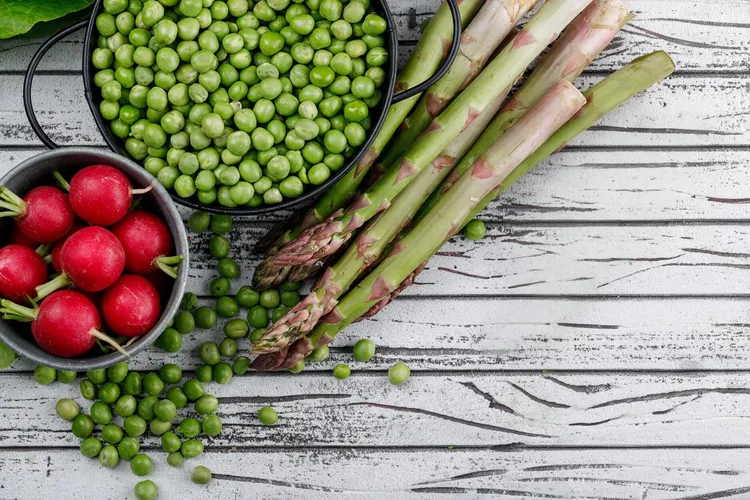
Spring gardens produce in a specific order. Cold-tolerant crops planted in March or April come up first: radishes, peas, and the earliest lettuce and spinach. None of these store well, so the plan is to eat them within a few days of picking, not to stockpile them the way you might a fall squash.
Radishes go from seed to harvest in about a month, which makes them the first real payoff of the season and a good confidence boost for a first-year gardener. Sliced thin over butter and salt, or roasted whole until the sharpness mellows into something closer to a turnip, they're done in minutes and don't need a real recipe. Peas are sweetest the day they're picked; sugar starts converting to starch within hours, so a pea eaten straight off the vine tastes nothing like one that sat in the fridge for a week, and shelling them the same afternoon is worth the extra ten minutes. For a full rundown of what to do with this earliest batch, including the earliest lettuces, see what to cook with your first spring harvest.
Spring greens need to be used fast for a different reason: heat makes them bolt, meaning the plant redirects its energy into flowering and the leaves turn bitter almost overnight. A run of warm days in May can end a lettuce or spinach patch in under a week, sometimes faster than a household of two or three people can eat through it. A quick spinach and tomato salad, like this fresh spinach, tomato, and onion salad, is about as fast as garden cooking gets. Baked into egg, spinach, and bacon muffins, a big handful of spinach cooks down to almost nothing and the muffins keep for several days in the fridge, which buys extra time if the greens are coming in faster than they can be eaten fresh. The full strategy for lettuce, spinach, and arugula before they bolt, including which varieties hold longer in heat, is in this cluster article.
Asparagus, if it's already established in the garden, comes in during the same window and needs almost no help beyond trimming the woody ends. Foil-baked salmon with roasted asparagus is a reasonable template for the whole season: pair whatever's ready in the garden with whatever protein is on hand, roast them together on one sheet pan, and skip anything fussier while the harvest is still light.
Early Summer: Herbs Take Off, Garlic Comes In
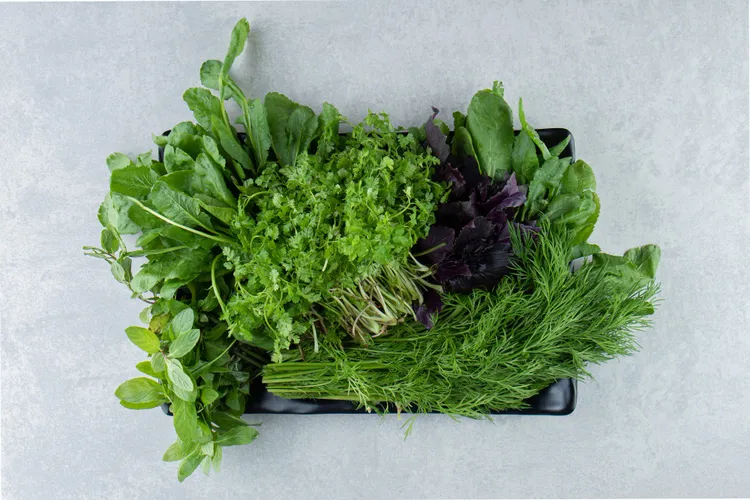
By June, herbs are usually growing faster than they can be used. Basil in particular needs regular cutting or it bolts, and once it flowers the leaves lose most of their flavor and turn slightly bitter. The fix is to treat harvesting as pruning rather than as shopping for tonight's dinner: cut stems back by a third every week or two, whether the kitchen needs the basil or not, and pinch off any flower buds as soon as they appear. Cutting just above a leaf node encourages the plant to branch out and produce even more.
Garlic and basil sautéed cherry tomatoes is a good early-summer dish that uses a handful of both at once, before the tomato plants are even fully producing, since early cherry tomato varieties often ripen well ahead of the main crop. A longer list of ways to use fast-growing herbs, plus how to freeze them in oil or dry them for winter, is covered in this cluster article.
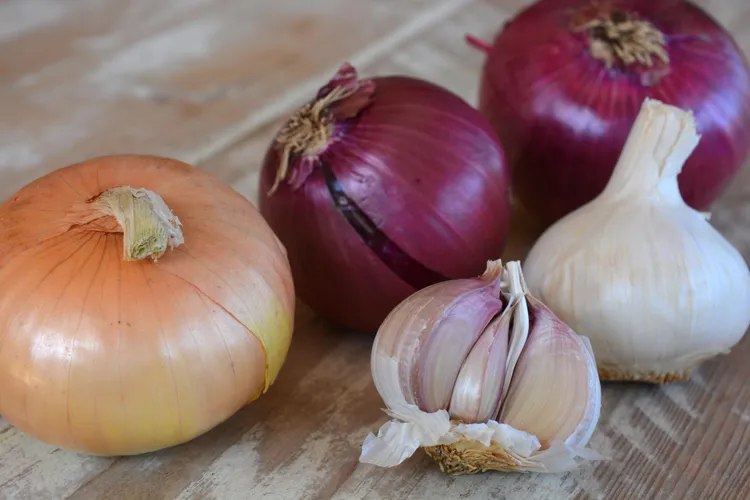
Garlic and bulb onions, if planted the previous fall, get pulled in early summer once the tops start to yellow and fall over on their own; pulling them earlier than that means smaller bulbs. Fresh-pulled garlic is different from what's sold in stores: the cloves are softer, milder, and won't keep long unless cured first, which means drying the whole bulb somewhere warm, airy, and out of direct sun for two to three weeks before storing it in a cool, dark spot. Using it right after harvest, before curing, calls for slightly different handling than store-bought garlic, since the papery skin hasn't fully formed and the flavor is noticeably sharper raw than cooked. That process, along with how curing changes flavor and shelf life, is covered in cooking with garlic and onions after harvest.
Midsummer: The Zucchini and Cucumber Flood
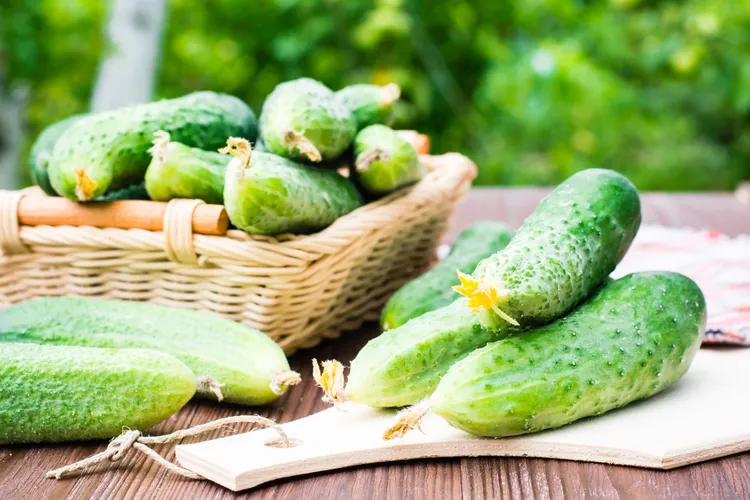
This is the point in the season most home gardeners recognize immediately, usually somewhere in July. A single healthy zucchini plant can produce two to four squash a week for over a month, and cucumbers on a trellis aren't far behind. Both need to be picked young and often, ideally checking the plants every day or two once they start producing. A zucchini left on the vine an extra few days turns from tender to watery and full of large, tough seeds, and a cucumber that grows too long gets bitter and bloated rather than crisp.
Zucchini's mild flavor makes it flexible enough to carry a household through weeks of overproduction without repeating a meal: spiralized into noodles with basil and lemon for a light lunch, folded into a zucchini and feta pie for something more substantial, baked into a layered zucchini bake with tomato sauce and parmesan as a full dinner, or turned into baked zucchini fritters with goat cheese for a quick side. None of these take more than about 40 minutes, which matters when there's another zucchini waiting tomorrow. A full rundown of overproduction strategies, including which forms of zucchini freeze well for later, is in what to do with a zucchini glut.
Cucumbers hold up less well once picked, softening within a few days at room temperature and turning slightly rubbery, so the practical options are eat fresh, quick-pickle, or give some away before they go soft. This cluster article covers all three, including a same-day refrigerator pickle that needs no canning equipment and is ready to eat within a few hours.
Late Summer: Tomatoes and Peppers at Peak
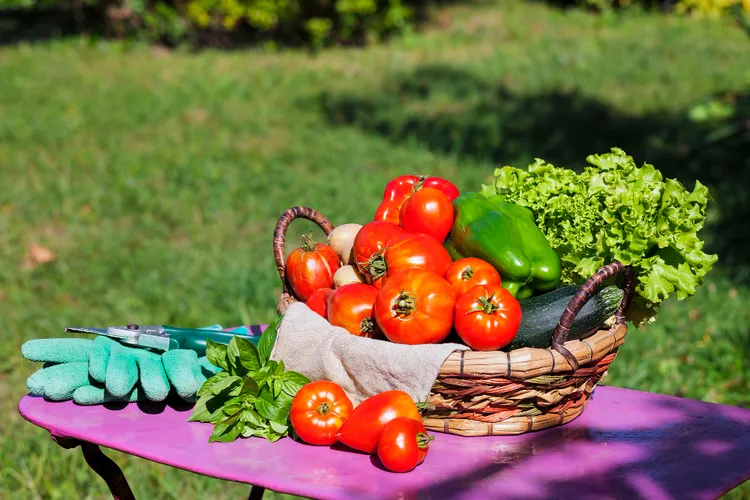
Tomatoes are usually the last major crop to ramp up and the one that produces the most at once. A handful of plants can easily hand over several pounds a week for a month straight starting in late July or August, depending on the variety and how warm the summer runs. Because ripe tomatoes don't hold in the fridge without losing texture and turning mealy, the general rule is to use them within a day or two of picking or process them into something shelf-stable.
For a small daily surplus, something like semi-dried tomatoes concentrates the flavor and buys a few extra days of shelf life without any canning equipment, just an oven set low. For a genuine flood, sauce, freezing whole, and quick salads are the three main paths, all covered with quantities and timing in this triage guide for too many tomatoes.
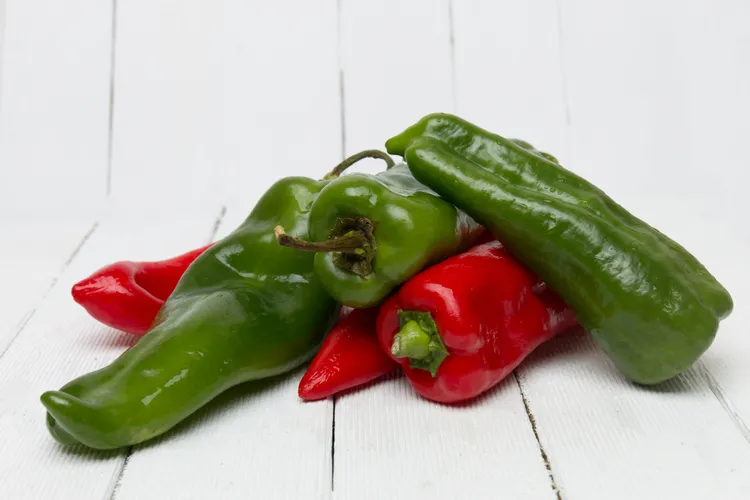
Peppers ripen on their own schedule within the same window, starting green and turning red, yellow, or orange as they mature, usually three to four weeks after they reach full size. Green peppers are more bitter and slightly crisp; fully ripe peppers are sweeter, softer, and higher in vitamin C. Since a single plant produces peppers at every stage of ripeness at once, a single dish often ends up using both, which is less a mismatch than a chance to use their different textures on purpose. That progression, and how to cook each stage differently, is the subject of cooking with garden peppers.
Early Fall: Green Tomatoes and the First Frost
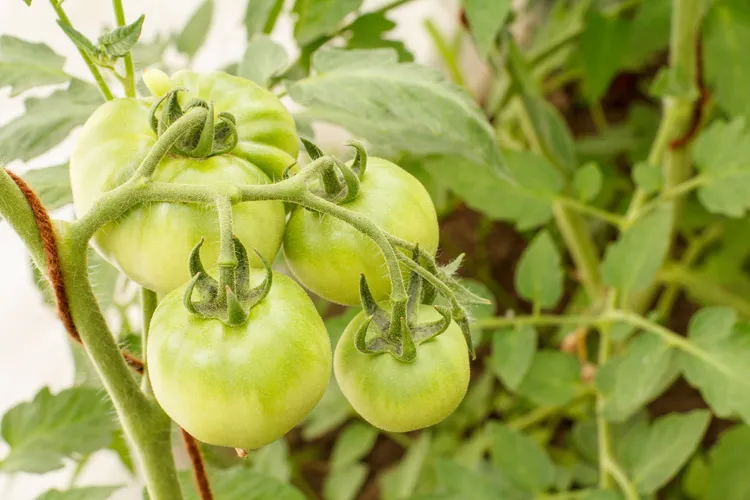
As nights cool, tomato plants stop ripening fruit as fast, and a frost warning usually means picking everything left on the vine, ripe or not, since a hard frost turns unripe tomatoes to mush overnight. Green tomatoes, sliced and fried, or turned into a tangy relish, are a genuine early-fall dish rather than a consolation prize; they hold their shape better than ripe tomatoes when cooked and have a tartness ripe ones don't, closer to a firm apple than a soft one. The options, including which green tomatoes are worth setting aside to ripen indoors versus cooking green, are laid out in what to do with green tomatoes at the end of the season.
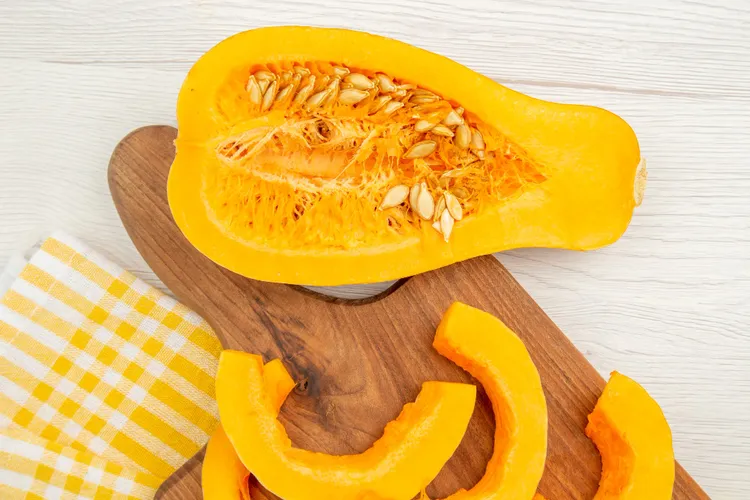
This is also when fall squash, planted back in early summer, starts coming in: butternut, acorn, delicata, and similar hard-skinned varieties. Unlike zucchini, these can sit on the counter for weeks or months once properly cured, meaning the skin has hardened enough to seal in moisture, which takes the pressure off using them immediately. Roasting is the simplest starting point for all of them, usually cut in half, seeded, and roasted flesh-side down until a fork slides in easily. The differences in prep, skin thickness, and sweetness between varieties are covered in cooking with fall squash.
Fall Into Winter: Storage Crops and Preserving the Rest
Once the growing season winds down, the kitchen's relationship with the garden shifts from "use it today" to "make it last." Two approaches cover most of what's left: freezing and cold storage, and most home gardens end up needing both.
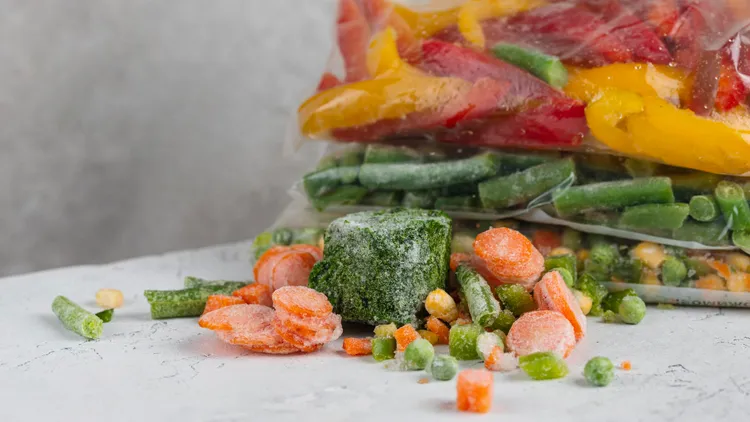
Freezing works well for vegetables that would otherwise go to waste: green beans, chopped peppers, shredded zucchini, corn kernels cut off the cob. Most need a quick blanch first, a minute or two in boiling water followed immediately by an ice bath, to stop the enzymes that would otherwise break down color, texture, and flavor in the freezer over the following months. Skipping the blanch is possible for some vegetables but usually means a mushier result once thawed. The step-by-step process, including which vegetables freeze well raw and which need blanching, is in freezing and storing garden vegetables for winter cooking.
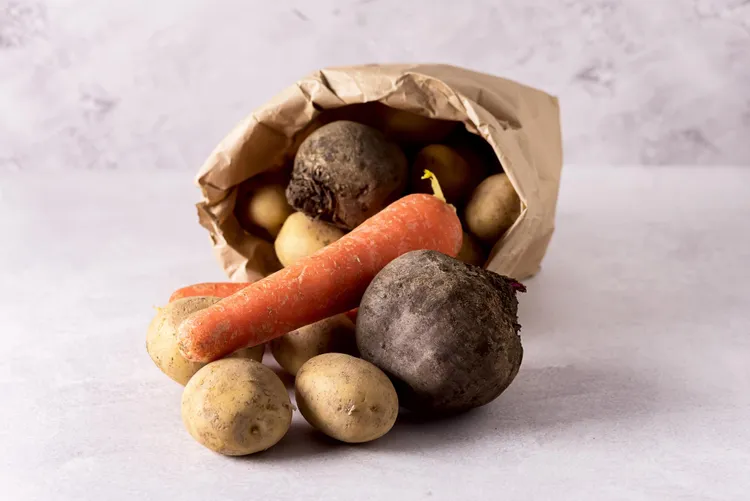
Root vegetables and potatoes take a different path: cold, dark, slightly humid storage rather than the freezer, which better preserves their texture for months at a time. Carrots, beets, and potatoes harvested in fall can genuinely last into winter if stored right, ideally somewhere around 35 to 40°F with high humidity, like an unheated basement, garage, or a box of damp sand in a cool closet. Done well, this turns them into a weekly cooking ingredient straight through winter rather than a one-time fall crop that's gone by December. That approach, plus what changes about cooking from stored roots versus fresh-pulled ones, since stored roots tend to lose a bit of moisture and concentrate in sweetness, is covered in root cellar basics for winter cooking.
The One Habit Worth Building
Every section above points to the same underlying skill: knowing what's about to peak before it does, so there's already a plan when the basket fills up. A rough mental calendar, radishes and peas in April, greens through May, zucchini and cucumbers by July, tomatoes and peppers in August, squash and green tomatoes in September, storage crops after that, does most of the planning work in advance. The specific recipes matter less than having two or three fast, reliable options ready for whatever's currently in surplus.