Ginger: Seed to Plate
A complete lifecycle guide to ginger, from planting rhizome through growing, harvesting, storage, nutrition, food science, cooking methods, pairings, preservation, and recipes.
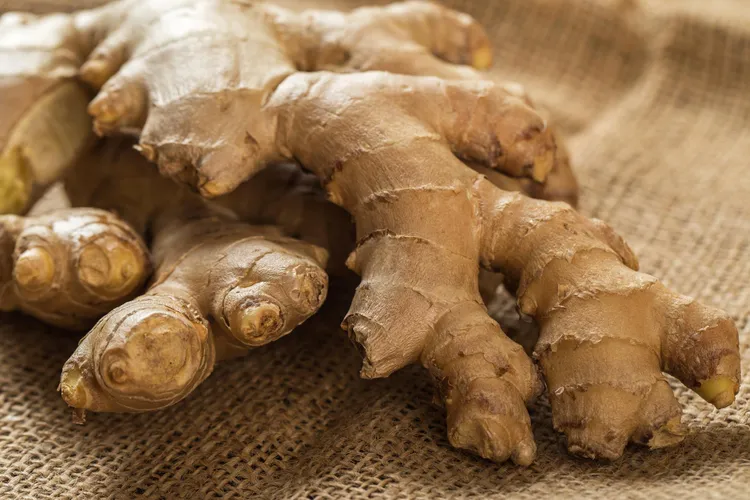
Ginger doesn't grow from a seed at all. A knobby piece of rhizome, the same part sold in grocery store produce aisles, is what goes into the soil, and months later it's multiplied into a whole cluster of new rhizomes ready to dig, dry, pickle, or grate into dinner. That unusual starting point sets the tone for a genuinely different growing story than most of the other ingredients in this framework, and the chemistry that follows, the compound that turns from sharp to sweet depending entirely on heat, is just as distinctive.
Planting: Starting From Rhizome, Not Seed
Ginger is propagated from a piece of its own rhizome rather than a true seed, planted in warm soil in spring after all frost risk has passed. Our planting guide covers how to select and prepare seed rhizomes, and why ginger needs a genuinely long, warm growing season to produce a worthwhile harvest.
Growing: A Slow, Shade-Tolerant Crop
Unlike most of the sun-hungry crops covered elsewhere in this framework, ginger actually prefers partial shade and consistent warmth over direct blazing sun. Our growing guide covers ginger's unusual light and humidity preferences, and why patience matters more than active intervention through its long growing season.
Harvesting: Young vs. Mature Ginger
Ginger can be harvested at two genuinely different stages that produce two different ingredients: young "stem" ginger with thin, edible skin and a milder bite, or fully mature ginger with the tough skin and sharp heat found in grocery stores. Our harvest guide covers how to tell the difference and when to dig for each.
Storage: Keeping Rhizomes From Drying Out or Molding
Fresh ginger sits in an odd middle ground for storage, neither wanting the full moisture a leafy vegetable needs nor the bone-dry conditions a cured allium wants. Our storage guide covers why ginger spoils the two opposite ways it does, and how to avoid both.
Nutrition: What Gingerol Actually Does
Ginger's pungency and much of its studied health interest trace back to gingerol, a compound that itself transforms into other compounds depending on how the ginger is dried or cooked. Our nutrition guide covers what gingerol is, what happens to it with heat and drying, and what the research on nausea and inflammation actually supports.
The Food Science of Ginger
Fresh ginger tastes sharp and citrusy. Dried ginger tastes hotter and more one-dimensional. Cooked ginger mellows into warmth. All three are the same starting compound taking different chemical paths. Our food science guide covers the gingerol-to-shogaol conversion that explains why ginger behaves so differently across preparations.
Cooking Methods: Raw, Infused, Candied, and Ground
Few ingredients shift as much in character across forms as ginger does between fresh, dried, and candied. Our cooking methods guide covers how to use fresh, ground, and candied ginger correctly, since they aren't interchangeable in a recipe.
What Pairs With Ginger
Ginger anchors both savory and sweet cooking in a way few other ingredients manage. Our pairings guide covers the classic savory combinations alongside ginger's equally strong baking and beverage pairings.
Preserving a Harvest
A home ginger harvest, unlike a quick-spoiling vegetable, has several genuinely different preservation paths, pickling, candying, drying into powder, and freezing, each producing a distinct usable ingredient rather than just an extended version of fresh. Our preservation guide covers all four.
Recipes That Use What You've Grown
The whole lifecycle exists to support this final stage. Our recipe roundup links out to tested recipes organized by which form of ginger, fresh, ground, or otherwise, a dish calls for.
Why Treat Ginger as a System
Most content about ginger treats it as either a health supplement or a background flavor note, rarely both, and rarely connected to how it's actually grown. Understanding the full arc, why it's propagated from rhizome, why its chemistry shifts so dramatically with heat and drying, why fresh and ground ginger aren't simply interchangeable, changes how the ingredient gets used at every later stage. If you're planning meals around what's on hand, our meal prep planning tool can help build a week of dishes around a fresh or preserved batch, and our nutrition calculators can adjust figures for specific preparations.
Where to Start
If you're planting rhizome this spring, start with the planting guide and work forward. If you've got a hand of fresh ginger already in the kitchen, skip straight to cooking methods, pairings, or the recipe roundup. The ten guides below stand alone or work as a full sequence, whichever matches where you actually are.
A Realistic Timeline
Ginger's calendar is long relative to most home garden crops. Rhizome is pre-sprouted indoors for 4 to 6 weeks, then planted outdoors only once nighttime temperatures reliably stay above 55°F (13°C). From there, young "stem" ginger can be harvested in as little as 4 to 6 months, while a full, mature harvest needs 8 to 10 months of sustained warmth. In a temperate climate, this often means starting rhizome indoors in late winter, planting outdoors in late spring, and not digging a full mature harvest until the following fall, close to a full year from the first pre-sprouting step to a finished crop.
This extended timeline rewards planning ahead specifically: knowing roughly when a harvest will be ready helps decide whether to prioritize preservation methods for a large one-time harvest or plan on digging smaller amounts of young ginger periodically through the back half of the growing season.
Regional Considerations
Truly tropical and subtropical climates can grow ginger as an outdoor perennial with minimal special accommodation, since frost risk and cool-season length aren't limiting factors the way they are elsewhere. Temperate climates need to treat ginger as an annual crop grown fresh from rhizome each year, with indoor pre-sprouting and, in shorter-season regions, container growing that can be brought indoors in fall to extend the effective season beyond what outdoor conditions alone would allow.
Humid regions naturally suit ginger's preference for consistent moisture and ambient humidity without much extra effort; drier climates benefit from more deliberate attention to consistent watering and, where practical, grouping containers or adding mulch to help retain soil moisture through hot, dry stretches.
Ginger's Unusual Fit in a Home Garden
Because ginger tolerates and even prefers partial shade, it fits into garden spaces that many other vegetables in this framework wouldn't suit well, a partially shaded bed under a taller tree canopy, or the north side of a structure that gets filtered rather than direct light through much of the day. This makes ginger a genuinely useful crop for filling in a garden's shadier corners rather than competing for the same full-sun real estate most other vegetables want.
Turmeric as a Close Relative
Turmeric, ginger's close botanical cousin, is propagated, grown, and harvested almost identically to ginger, using rhizome pieces, similar shade and moisture preferences, and a comparably long growing season. Gardeners interested in expanding beyond ginger specifically often find turmeric a natural next crop to try, sharing nearly the entire framework covered in this guide with different flavor and color characteristics at the finish line.
Frequently Asked Questions
Is ginger difficult to grow compared to other common vegetables? The main challenge isn't technical difficulty so much as patience and the right conditions, shade rather than sun, consistent moisture, and a genuinely long warm season, all somewhat unusual asks relative to typical vegetable garden planning.
Can this framework apply to galangal as well? Galangal is a related but botanically distinct rhizome with its own flavor profile, sharper and more citrus-pine than ginger's warmth; while general growing principles overlap substantially, this guide is written specifically for true ginger.
What's the single most important stage in this entire framework? Getting the shade and moisture balance right during growing arguably matters most, since ginger's slow, underground development means a mistake made early in the season often isn't visible until a disappointing harvest reveals it months later.
A Framework, Not a Recipe
As with the other ingredient guides in this series, nothing here needs following start to finish. A gardener with a container of sprouting rhizome already underway might skip directly to growing and harvesting guidance; someone who just picked up a hand of ginger at the store might start with cooking methods and pairings and skip the growing stages entirely. Each of the ten linked guides works as a standalone reference as much as part of a sequence.
What Makes Ginger Worth This Level of Depth
Ginger's rhizome propagation, its unusual shade preference, and the genuinely dramatic chemistry shift between fresh, dried, and cooked forms make it one of the more distinctive ingredients in this content series. Few other common ingredients change character this much depending on processing, and understanding why makes every later stage in this guide, cooking, pairing, preserving, click into place with far more clarity than a simple recipe list would provide alone.
Comparing This Framework to a Faster Crop Cycle
Compared to a quick summer vegetable, ginger's near year-long cycle, indoor pre-sprouting through to a fall harvest, asks for a genuinely different kind of gardening patience than most home gardens are built around. Gardeners used to faster crops sometimes find this unfamiliar at first, but many come to appreciate how little ongoing daily effort ginger actually demands relative to its eventual payoff.
Getting Started This Season
If you're reading this ahead of a spring planting window, the most useful first step is simply sourcing seed rhizome and starting the pre-sprouting process indoors several weeks before your local outdoor planting window opens. Everything else in this framework follows from that single starting point.
Keeping the Whole Picture in View
It's easy to focus narrowly on any single stage, the perfect pre-sprouting setup, or the ideal candying technique, and lose sight of how the stages connect. Ginger grown well but harvested at the wrong stage produces the wrong ingredient for what a household actually needs. Ginger stored well but always reached for in the wrong form for a given dish never delivers on the flavor the earlier stages worked to develop. Keeping the full chain in mind is what actually delivers on a seed-to-plate approach.
Garlic's Place Within a Broader Vegetable Garden
Because ginger tolerates shade so well, it often fits into a garden's underused corners rather than competing directly with sun-hungry crops for the same prime growing space, a genuinely practical planning advantage worth factoring into how a home garden's layout comes together season to season.
Variety Selection for This Whole Framework
Growing enough ginger to try both young and mature harvest stages, as suggested in the harvest guide, sets up access to the full range of uses covered later in this framework, pickling from young stock, everyday cooking and preservation from mature stock. A modest planting still supports every stage in this guide, but a larger one gets more out of the full framework.
Before Diving Into the Details
The ten guides that follow go deeper into every stage summarized above. Read them in order for the full arc, or jump straight to whichever stage matches your current situation, a bag of seed rhizome waiting for pre-sprouting, a hand of fresh ginger already in the kitchen, or a recipe you're trying to get right tonight.
Consider this guide a map, and the ten linked stages the actual territory worth exploring in depth. The specific numbers and timelines will vary somewhat by climate and variety, but the overall sequence, pre-sprout, plant, grow, harvest, store, cook, holds true almost everywhere ginger is grown.
Read on for the full depth behind each stage of that map.
Whatever stage you're starting from, the goal of this framework is the same: a clearer, more connected understanding of an ingredient that moves fluidly between savory cooking, baking, and beverages, from the moment a piece of rhizome goes into a warm tray of soil to the moment a finished dish reaches the table.
Consider it a map worth returning to as each stage becomes relevant to your own kitchen and garden.
Latest









