How to Meal Plan When You and Your Partner Eat Completely Differently
You don't need to cook two separate dinners every night. Here's a system for planning shared meals when you and your partner eat nothing alike.

Stop planning two menus and start planning one flexible base with swappable parts. Most couples who think they need entirely separate meals actually just need a shared foundation (a protein, a starch, a vegetable) that each person finishes differently - different sauce, different portion, different add-on. It's less cooking, less cleanup, and it works whether the mismatch is diet type, calorie targets, or just taste.
Why Cooking Two Separate Dinners Burns People Out
Cooking one meal a night is already a time commitment. Cooking two, every night, for months, is how meal planning quietly falls apart. It doubles the shopping list, doubles the pans, and turns a 30-minute dinner into an hour-long production. Most couples who "eat completely differently" don't actually need two unrelated meals - they need one meal built in a way that flexes at the end instead of splitting at the start.
The goal isn't to make one partner eat something they don't want. It's to find the parts of a meal that can genuinely be shared (the base) and isolate the parts that actually need to differ (the finish).
The Shared-Base-Plus-Swap Method
This is the core system, and it works for almost every kind of mismatch - keto vs. not, high-protein vs. plant-based, different calorie targets, different spice tolerance. Build every dinner around three components:
- A protein cooked plain. Grilled chicken, seared tofu, baked salmon, browned ground beef - cooked with just salt and oil, no sauce mixed in yet.
- A base that's easy to size differently. Rice, roasted potatoes, quinoa, a bed of greens - something one person can portion generously and the other can skip or halve.
- A vegetable component both people eat. This is usually the easiest thing to actually share as-is.
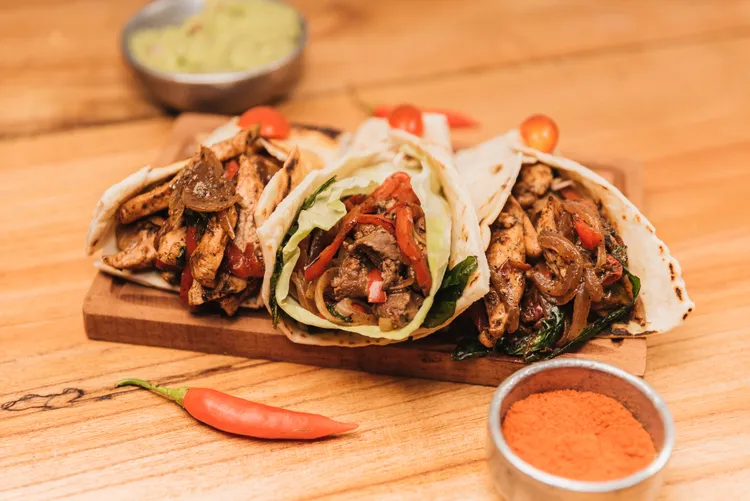
Everything after that is a swap, not a second meal: one person adds a starchy side and a creamy sauce, the other adds extra vegetables and a squeeze of lime. One person gets a tortilla wrap around it, the other eats it over rice. Same core cooking session, two different plates, one set of dishes.
When the Mismatch Is Diet Type
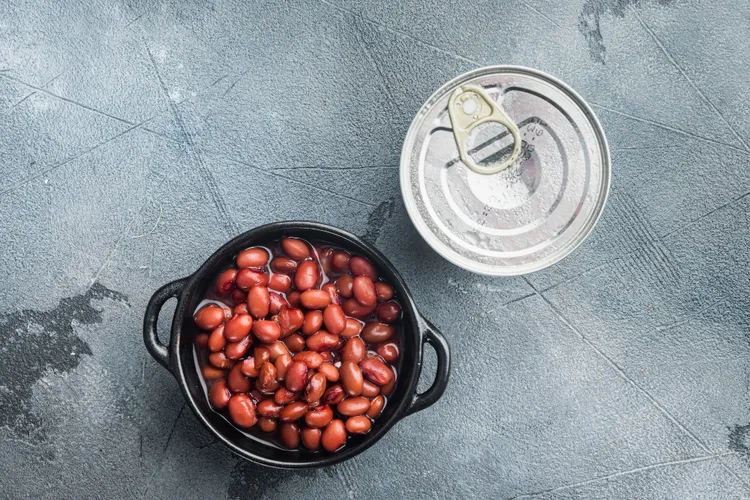
If one of you is doing keto, low-carb, vegetarian, or anything with real restrictions, the shared-base method still works - you're just choosing a base that's naturally neutral. A sheet pan of roasted chicken thighs and vegetables works for almost every diet: the low-carb eater skips the rice, the higher-carb eater adds it. A big pot of chili works the same way if you cook the beans separately from the meat and let each person build their own bowl.
The trick is picking recipes where the restricted ingredient is an add-on, not baked into the dish itself. A stir-fry sauce that's naturally low-sugar works for both people; a pasta bake where the pasta is mixed through everything forces you into two separate pans. When you're planning the week, scan for "mix-in" ingredients (rice, pasta, bread, tortillas) and treat them as optional extras added at the plate, not as something cooked into the base.
When the Mismatch Is Calories or Macros, Not Food Type
This is actually the easier problem, even though it feels harder. If you're both eating the same foods but need different amounts - one of you is in a calorie deficit, the other is trying to gain, or your protein targets are 40g apart - you don't need different meals at all. You need different portions of the same meal, weighed rather than eyeballed.
Cook the full batch, then portion by weight against each person's actual target instead of splitting the pan visually in half. This is where having each person's numbers dialed in matters - a shared macro calculator that accounts for each person's activity level and goal makes it easy to see exactly how much of the same dish each of you should be plating, without guesswork or resentment about who got the bigger scoop.
A practical habit: cook extra of the base protein and starch specifically so the higher-calorie eater can add more without anyone needing to cook a second batch mid-week.
Batch-Cook Components, Not Full Meals
Once you're planning around a shared base, batch cooking gets easier too, because you're not batch-cooking two different full dinners - you're batch-cooking modular pieces that recombine differently through the week.
- Proteins: Cook two or three proteins in bulk on a prep day (grilled chicken, ground turkey, baked tofu). Store separately, plain, so either person can season or sauce their portion differently at mealtime.
- Grains and starches: Cook a big batch of rice or potatoes once. One person eats it every night, the other skips it three nights out of five. Nothing is wasted because it's a shared, neutral component.
- Sauces and finishers, made separately: This is usually where the actual "different diets" happen. Keep two small jars - a cream-based sauce and an oil-and-vinegar one, for example - rather than two entirely separate cooked dishes.
This approach also solves the boredom problem that kills most meal plans. The same three batch-cooked components can turn into bowls, wraps, salads, and stir-fries across a week without either person eating the exact same plate twice.
When One Partner Cooks and the Other Doesn't
If the mismatch is less about diet and more about who's actually in the kitchen, the shared-base method still helps, but the planning piece matters more. The cooking partner should build the week's plan around meals they're willing to make regardless of who's eating what, then treat the non-cook's preferences as swap-ins rather than a whole separate menu to prep.
A short weekly check-in - what's the base protein and starch this week, what needs to be kept separate - takes less time than it sounds like and avoids the Tuesday-night scramble where nobody knows what's for dinner and two different meals get made out of frustration.
What to Do When the Base Itself Doesn't Overlap
Occasionally there genuinely isn't a shared base - one person can't eat gluten, the other can't eat dairy, and half the usual go-to meals are off the table for one of you entirely. In that case, the fix is choosing a small rotation of "always works" meals rather than trying to force every single dinner into the shared-base pattern.
Pick 5-6 meals across the week that are naturally compatible with both sets of restrictions - a rice-and-vegetable stir-fry, a bean-based chili, a sheet-pan roast - and let those carry most of the week. Save the meals that genuinely require two separate cooking processes for one or two nights, rather than every night, so the workload stays manageable even when full overlap isn't possible.
Handling Different Schedules on Top of Different Diets
If you're not even eating at the same time, batch-cooked components solve most of the problem on their own. A plain-cooked protein and a neutral base hold up fine in the fridge for a few days, so whoever eats first builds their plate, and whoever eats later builds theirs from the same components without anyone needing to cook twice.
Label containers by component, not by finished meal ("grilled chicken," "roasted broccoli," "rice") so either person can grab what they need and finish it their own way in a few minutes, rather than reheating one fixed combination that may not match what they actually want that night.
Grocery Shopping for One List, Not Two
A split-diet household often ends up with a grocery cart that looks like two separate shopping trips crammed into one, which is expensive and creates food waste when half-used specialty items go bad in the back of the fridge. The shared-base method fixes the shopping list the same way it fixes the cooking: most of the cart is neutral, shared ingredients, and only a small section is diet-specific.
- Buy shared staples in bulk. Proteins, grains, and vegetables that both people eat plain make up the bulk of the list and get used every week regardless of who's doing what diet that month.
- Keep the diet-specific list short and intentional. A couple of sauces, a specialty flour, a particular dairy alternative - these are the only items that should actually differ, and keeping that list short keeps cost and waste down.
- Buy perishable specialty items in smaller quantities. If only one of you eats a specific ingredient, a smaller package that actually gets finished beats a large one that goes bad before the next shop.
Common Friction Points, and What Actually Fixes Them
A few problems come up in almost every mixed-diet household. None of them require abandoning the shared-base system - they usually just need one small adjustment.
- "I feel like I'm always the one compromising." This usually means the finishers aren't varied enough. Rotate through 4-5 different sauces or spice profiles instead of defaulting to the same one every time, so both people get real variety even though the base repeats.
- "Cooking two finishers still feels like extra work." Batch the finishers too. A jar of dressing or a spice mix made once lasts a week of dinners, so the "extra" step only happens once, not nightly.
- "One of us ends up eating plain, boring food." This is a sign the base itself needs more character, not that the plan is failing. Season the shared protein and base with something both people like before it splits into two directions, rather than leaving it completely bare.
- "We keep forgetting the plan and ordering takeout." Write the week's base components somewhere visible - a shared note or whiteboard - so neither person has to hold the whole plan in their head every evening.
A Simple Weekly Planning Routine
- Pick 2-3 proteins and 1-2 bases for the week that work for both of you plain.
- Batch-cook those components on one or two prep sessions.
- Keep 2-3 finishers on hand (a sauce, a dressing, a spice blend) that let each person customize without cooking from scratch.
- Portion by weight against each person's targets if calories or macros are part of the mismatch.
- Write the plan somewhere both of you can see it, so "what's for dinner" doesn't turn into a nightly negotiation.
Adjusting the System When Diets or Goals Change
Diets and goals shift - one of you starts a new training block, finishes a cut, or drops a restriction entirely. The shared-base system holds up through these changes better than a rigid two-menu plan would, because most of what changes is the swap layer, not the foundation. If someone's calorie target goes up, they add more of the base. If a restriction ends, a finisher that used to be off-limits just becomes an option again.
It's worth revisiting each person's targets every few weeks rather than assuming they're fixed, especially if training load, weight goals, or activity levels have shifted. Recalculating with a macro calculator that factors in both people's current activity and goals keeps the portioning step accurate instead of relying on numbers set months ago that may no longer match reality.
The pattern that actually works long-term isn't finding meals you magically both love in identical form. It's building a system flexible enough that neither of you has to think about it every single night.
Latest