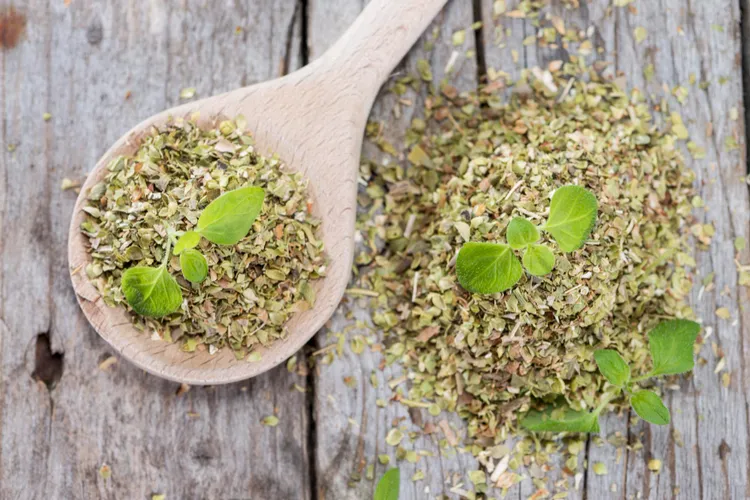
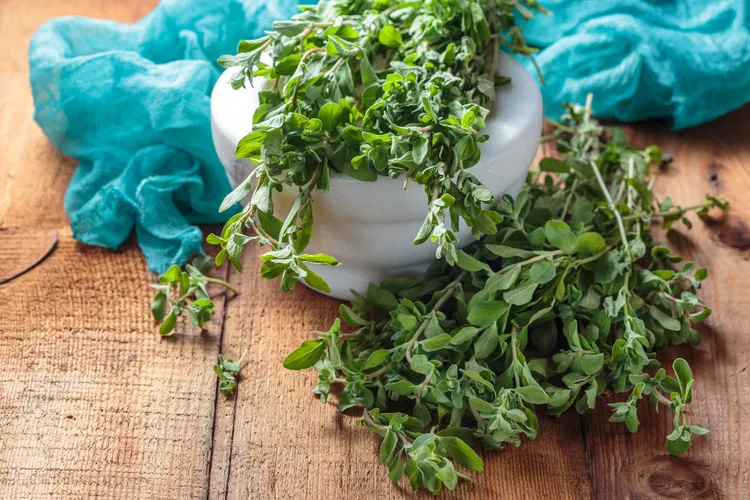
Homemade Italian Seasoning Blend (and Why Store-Bought Falls Short)
A homemade Italian seasoning blend built around oregano's dominant role, and why it outperforms most jarred versions.
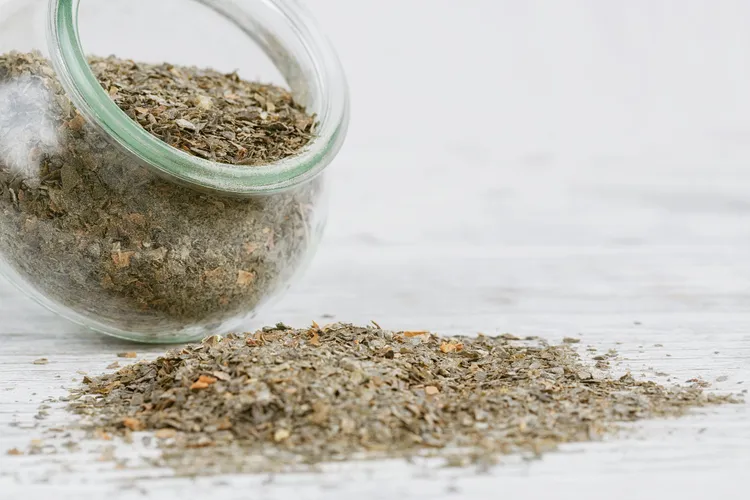
Store-bought Italian seasoning blends are convenient, but a lot of them get the core ratio wrong, either burying oregano under too much basil and other milder herbs, or relying on herbs that have already lost most of their flavor sitting on a shelf for months before you bought them.
Base Recipe
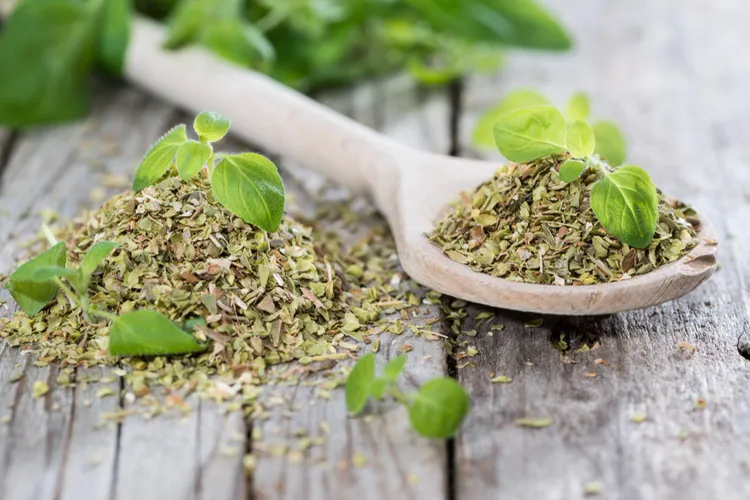
Combine 2 tablespoons dried oregano, 1 tablespoon dried basil, 1 tablespoon dried thyme, 1 tablespoon dried rosemary (crushed slightly if using whole leaves), 1 teaspoon dried marjoram if available, and 1/2 teaspoon red pepper flakes if a little heat is wanted. Mix thoroughly and store in an airtight container.
Oregano is intentionally the largest component here, roughly a third to a quarter of the total blend by volume, reflecting its central role in Italian-American cooking rather than treating it as one equal component among many.
Why This Ratio Beats Most Store-Bought Blends
Many commercial blends use a more even split across several herbs, or lean heavily on basil rather than oregano, which produces a flatter, less distinctly "Italian" flavor than a blend where oregano clearly leads. Making your own also means starting with fresher dried herbs rather than a jar that's already been sitting on a store shelf for an unknown length of time, which matters given how much herb potency fades with age.
Using the Blend
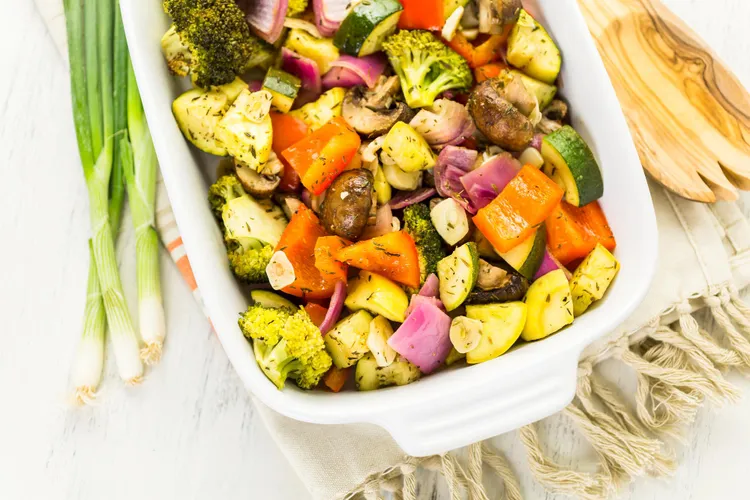
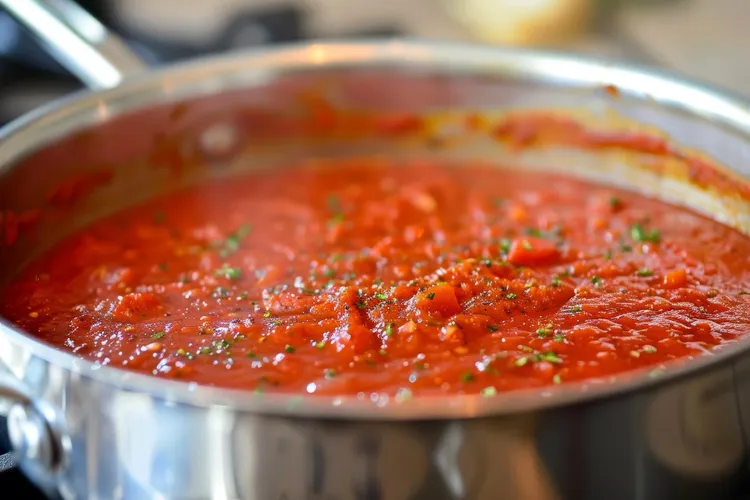
Use 1 to 2 teaspoons per pound of ground meat for meatballs or meatloaf, 1 to 2 teaspoons in a batch of tomato sauce alongside or instead of plain oregano, or a light sprinkle over roasted vegetables, garlic bread, or a homemade pizza before baking. The blend works anywhere a recipe calls for "Italian seasoning" without needing to measure out each individual herb separately.
Adjusting the Blend to Taste
If a stronger, more traditionally pungent flavor is wanted, increase the oregano further relative to the other herbs. For a milder, more rounded blend suited to a wider range of dishes, bring basil and thyme up closer to equal footing with oregano. There's no single correct ratio; the recipe above is a strong starting point that leans into oregano's traditional dominance rather than diluting it.
Storage
Stored in an airtight container away from heat and light, this blend holds good flavor for about a year, similar to any dried herb mix. Make a batch sized to what you'll realistically use within that window rather than a huge batch that will fade before it's finished.
Cost Comparison to Store-Bought
Buying individual dried herbs in reasonable quantities and blending them at home is often noticeably cheaper per ounce than a pre-made jar of Italian seasoning, particularly from a specialty or gourmet brand. It also means any leftover individual herbs can be used in other recipes rather than being locked into a single pre-mixed blend that might not suit every future dish.
Gifting or Batch-Making This Blend
Because this blend keeps well for about a year, it's reasonable to make a larger batch at once, both for personal use and as a homemade gift, packaged in small jars. A batch made with fresher, higher-quality dried herbs than what's typically found in a generic store-bought jar makes for a genuinely appreciated, practical gift for anyone who cooks Italian-American food regularly.
Common Mistakes
- Using stale, old dried herbs to build the blend. The final blend is only as fresh as its individual components; start with dried herbs that still smell strongly aromatic.
- Treating all herbs as equal parts. An evenly split blend tends to taste less distinctly Italian than one where oregano clearly leads.
- Adding salt to the blend. Keeping the blend salt-free lets you control seasoning separately in each dish rather than being locked into a fixed salt level every time the blend is used.
- Grinding the blend into a fine powder. Keeping the herbs in a coarser, more whole-leaf state generally preserves flavor longer than a finely ground version, similar to the storage advice that applies to oregano on its own.
Frequently Asked Questions
Can I use fresh herbs to make this blend?
No, this blend is specifically meant to be made and stored dry; fresh herbs would spoil quickly and aren't suited to a shelf-stable mix.
What if I don't have all the herbs listed?
The blend is flexible; oregano and basil are the two most essential components, and the others can be adjusted or omitted based on what's available without ruining the overall effect.
Can I use this blend interchangeably with the homemade seasoning suggested for other cuisines, like Greek dishes?
Not ideally; this blend is specifically built for Italian-American flavor profiles. For Greek dishes, plain dried oregano on its own, as covered in Greek-Style Oregano Recipes, is generally the more traditional and appropriate choice.
How much of this blend should I use compared to a recipe calling for plain oregano?
Roughly the same amount as the oregano called for, since oregano is the dominant flavor in the blend; expect a slightly more complex, rounded result than plain oregano alone would give.
Make a jar of this blend at the start of a season of heavy Italian-style cooking rather than measuring out individual herbs for every recipe; it saves real time across a week of meal planning once pasta night, pizza night, and a roasted vegetable side are all pulling from the same jar.
Latest