Greek-Style Oregano Recipes: Lemon Potatoes to Horiatiki
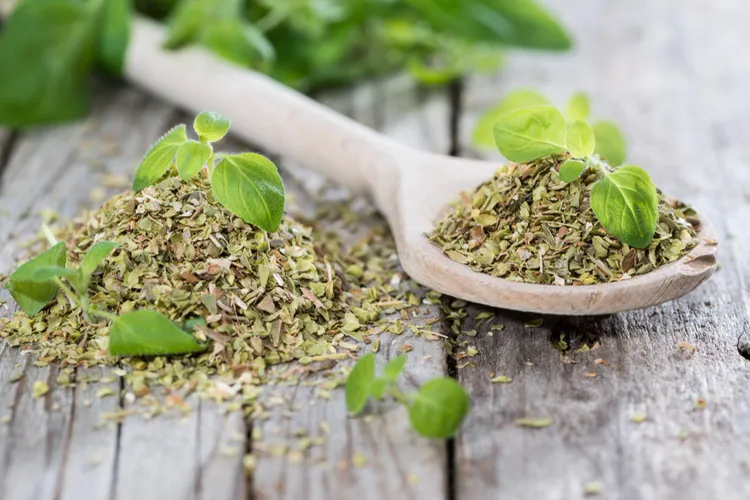
Oregano is central to Greek cooking. Recipes include lemon potatoes, horiatiki salad, and a simple grilled fish seasoning.
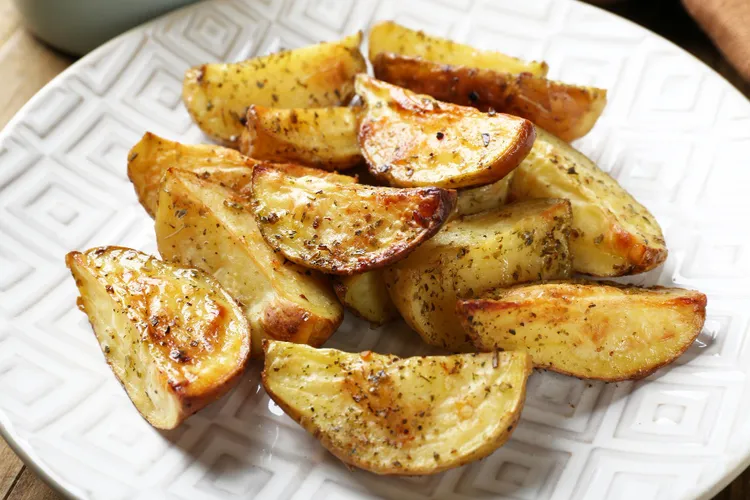
Oregano shows up in Greek cooking with a consistency that goes beyond a single signature dish; it's a background note in roasted vegetables, a defining flavor in a salad, and a core part of how meat and fish get seasoned before hitting the grill.
Greek Lemon Potatoes
Toss potato wedges with olive oil, the juice of 1 to 2 lemons, 3 to 4 cloves minced garlic, 1 to 2 teaspoons dried oregano, salt, and pepper. Spread in a single layer in a baking dish, add about 1/2 cup water or stock to the pan, and roast at 425°F (220°C) for 45 to 50 minutes, until the potatoes are tender and the liquid has mostly reduced into a lemony, oregano-flecked glaze. This is one of the most iconic uses of oregano in Greek home cooking.
Horiatiki (Greek Village Salad)
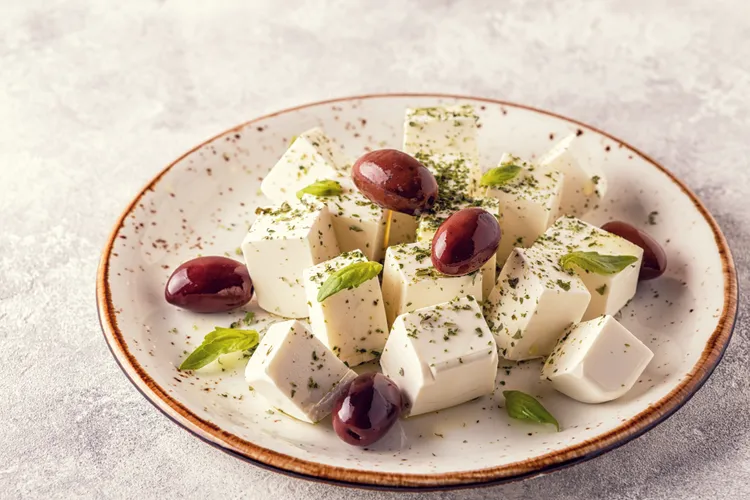
Combine chunks of ripe tomato, cucumber, thinly sliced red onion, kalamata olives, and a thick slab of feta (traditionally left whole on top rather than crumbled). Dress simply with olive oil, a small amount of red wine vinegar, and a generous sprinkle of dried oregano directly over the feta and vegetables. Unlike many salads, horiatiki intentionally uses dried rather than fresh oregano for its more assertive, traditional flavor.
Simple Greek-Style Grilled Fish or Chicken
Combine olive oil, lemon juice, minced garlic, and 1 to 2 teaspoons dried oregano as a quick marinade for fish or chicken before grilling. This is close to the base oregano marinade covered in more depth in Oregano Marinade for Grilled Chicken, Lamb, and Vegetables, applied specifically in a Greek context.
Greek-Style Roasted Vegetables
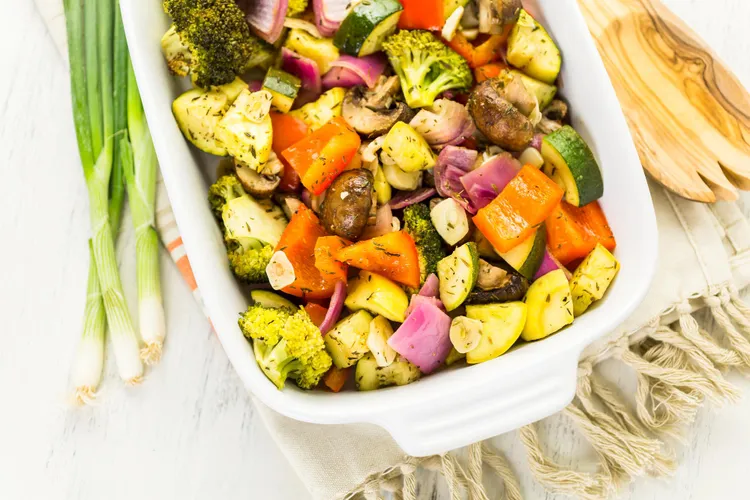
Toss a mix of zucchini, bell peppers, and red onion with olive oil, dried oregano, salt, and pepper, then roast at 425°F (220°C) for 20 to 25 minutes until tender and lightly charred at the edges. A crumble of feta scattered over the vegetables after roasting rounds out the dish.
Tzatziki With a Touch of Oregano
While tzatziki is traditionally more dill-forward, a small pinch of dried oregano, about a quarter teaspoon, added to a standard yogurt-cucumber-garlic tzatziki base gives it a slightly different, more herbaceous edge that pairs particularly well when serving it alongside the grilled fish or chicken above.
Building a Complete Greek-Style Meal
These dishes are designed to work well together rather than in isolation. A typical spread might pair the lemon potatoes as a side, horiatiki as a starter or accompanying salad, and the grilled fish or chicken as the main course, all pulling from the same jar of dried oregano across a single cooking session. This is an efficient way to get real use out of a larger quantity of oregano purchased for Greek cooking specifically.
Regional Variations Within Greek Cooking
Oregano usage varies somewhat by region within Greece itself; island cooking sometimes leans more heavily on oregano in seafood preparations, while mainland cooking incorporates it more into meat and potato dishes. This guide covers broadly representative versions of these dishes rather than a single definitive regional style, and there's room to adjust oregano's presence based on personal preference within that broader tradition.
Common Mistakes
- Under-seasoning with oregano in Greek dishes specifically. Greek cooking tends to use oregano more generously than Italian-American cooking; don't hold back the way you might in a milder dish.
- Using fresh oregano where dried is traditional. Horiatiki and the lemon potatoes specifically benefit from dried oregano's bolder, more traditional flavor; fresh can taste comparatively flat in these applications.
- Skipping the resting or roasting time that lets oregano's flavor fully integrate. Oregano added to a quick, barely-cooked dish doesn't develop the same rounded flavor as one given time to meld, whether through roasting or a proper marinating period.
- Using a low-quality feta in horiatiki. Since the feta is left whole and central to the dish, a better-quality block feta makes a bigger difference here than in a dish where it's crumbled and distributed more subtly.
Frequently Asked Questions
Should I use Mediterranean oregano specifically for Greek dishes?
Yes, Mediterranean oregano is the traditional and correct choice here; see Mexican Oregano vs Mediterranean Oregano for why this distinction matters.
Can I make the lemon potatoes ahead of time?
They're best served fresh from the oven for the ideal texture, though leftovers reheat reasonably well in a hot oven for 10 to 15 minutes.
What other Greek dishes commonly use oregano?
Souvlaki marinades, spanakopita filling in some regional variations, and roasted lamb all commonly include oregano as a core seasoning.
Is dried oregano used differently in Greek cooking than in Italian cooking?
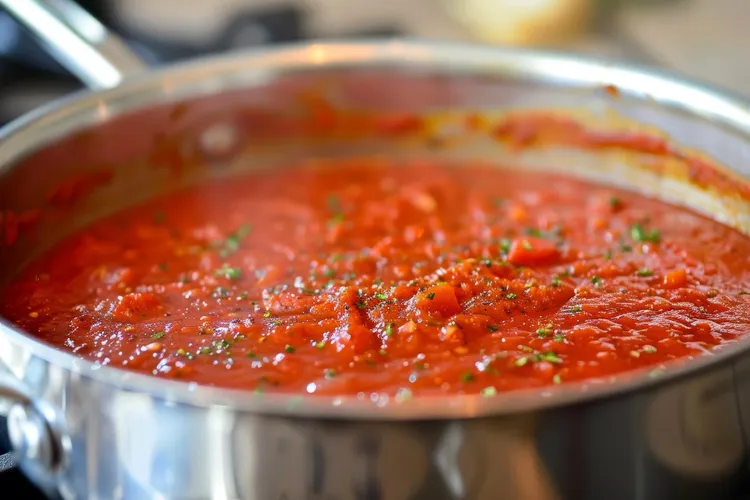
The herb itself is generally the same Mediterranean variety, but Greek cooking tends to use it more generously and more often as a finishing sprinkle, like on horiatiki, rather than exclusively as a cooked-in flavor the way Italian sauces typically use it.
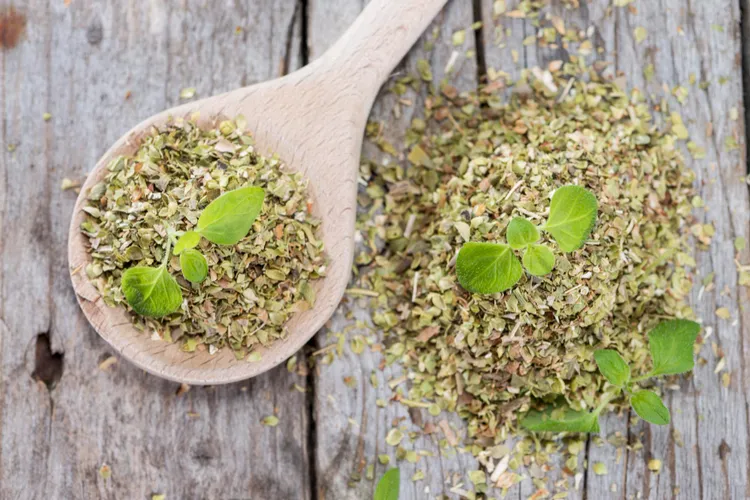
Buy a good-quality dried Mediterranean oregano specifically for Greek cooking if you make these dishes often; a fresher, more pungent jar makes a noticeable difference in dishes like horiatiki where oregano is front and center. Planning a full Greek-style meal, potatoes, salad, and grilled protein, into a weekly meal plan makes efficient use of a single jar across several dishes.
Latest