White Wine Vinegar vs. Red Wine Vinegar: Picking the Right One for Your Dish
White wine and red wine vinegar aren't interchangeable - one is lighter and cleaner, the other is bolder and more tannic. The difference is subtle in some applications and decisive in others. Here's exactly when to use each.
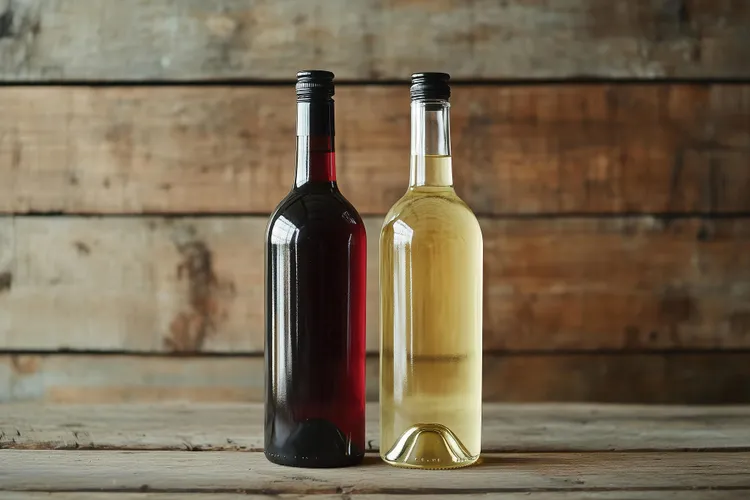
Both are wine vinegars, both have roughly the same acidity (6% to 7%), and both will acidify a dressing or a marinade. The gap is in flavor character: red wine vinegar carries tannins and a robust grape presence from the wine it came from; white wine vinegar is cleaner, more neutral, and doesn't impose its color or depth on a dish. In a simple vinaigrette, the difference is immediately obvious. In a heavily spiced braise, it's almost invisible. Knowing which applications fall into each category saves you from defaulting to one vinegar for everything and wondering why some dishes taste sharper or flatter than expected.
Red Wine Vinegar: The Case For
Made from fermented red wine, red wine vinegar retains tannins, anthocyanins (the pigments that give red wine its color), and the grape-derived flavor compounds of the original wine. The result is a vinegar with sharpness, grip, and assertiveness. It makes a statement in dishes where you want the acid to be clearly present and the vinegar flavor to be part of the dish rather than just background acidity.
Bold Vinaigrettes
Red wine vinegar makes the most assertive, classic vinaigrettes. The tannic backbone holds up against bitter greens, red onion, olives, anchovies, and aged cheese. Classic Greek salad dressing: 3 tbsp good olive oil, 1 tbsp red wine vinegar, 1/4 tsp dried oregano, salt, and pepper. The vinegar's sharpness is essential here - white wine vinegar makes the same recipe taste washed out. For composed protein salads, chargrilled chicken and vegetable salad dresses well with red wine vinegar given the bold charred flavors of the grilled ingredients. Full ratio guidance at homemade vinaigrette ratios.
Red Meat Marinades
The tannins in red wine vinegar work with the proteins in beef and lamb in a way that white wine vinegar doesn't. A simple marinade of red wine vinegar, olive oil, garlic, and fresh rosemary for 2 to 4 hours gives a flank steak or lamb chops a distinctly Mediterranean character. The tannins complement the flavor of the meat rather than just adding acidity. For more on acid marinade science and timing, see how vinegar tenderizes meat.
Pickling Red and Purple Vegetables
Red wine vinegar maintains the color of red cabbage, beets, and red onion more effectively than white wine vinegar. When white is used on red cabbage, the color can shift to a dull purple-grey. Red wine vinegar preserves the vivid hue and adds a sharpness that the naturally sweet beets and onions need. Full pickling guide at pickling at home.
Pasta Sauces and Mediterranean Dishes
A small splash of red wine vinegar at the end of a tomato sauce brightens the tomatoes without adding wine flavor. About 1 tsp per 400g of canned tomatoes, added in the last 5 minutes. Also standard in caponata (the Sicilian sweet-sour eggplant preparation), puttanesca, agrodolce sauces, and anywhere the cooking tradition is Italian or Greek and a clean sharp acid finish is needed.
Salsa and Chimichurri
Red wine vinegar is the traditional acid in Argentine chimichurri - flat-leaf parsley, garlic, dried chili, oregano, olive oil, and red wine vinegar. The sharpness cuts through the fat of grilled beef. The same logic applies in a vinegar-based salsa verde or tomato-pepper relish - the bold acid is part of the flavor, not just background function.
White Wine Vinegar: The Case For
Made from fermented white wine, white wine vinegar carries very little tannin and doesn't add color. The result is a clean, precise acid that works in applications where you want the acidity to function without the vinegar announcing its presence.
Delicate Salad Dressings
Spring greens, butter lettuce, cucumber, avocado, fresh herbs - anything delicate needs an acid that doesn't overpower it. A classic French shallot vinaigrette uses white wine vinegar with minced shallot, Dijon, and neutral olive oil. The absence of tannin means the dressing stays transparent on the plate and the green flavors stay in the foreground.
Fish and Shellfish
White wine vinegar is the standard acid in beurre blanc, in poaching liquids for fish, and as a finishing acid for seafood dishes. The absence of tannin prevents any slight metallic or bitter note that red wine vinegar can produce with delicate fish proteins. For a beurre blanc: combine 3 tbsp white wine vinegar, 2 tbsp dry white wine, and 1 minced shallot in a small saucepan. Reduce to 1 tablespoon of liquid, remove from heat, and whisk in cold butter cubes one at a time.
Cream Sauces
Red wine vinegar turns cream sauces pinkish and can create a slight graininess. White wine vinegar stays completely clear in cream and integrates without changing the color or texture of the sauce. Standard for French-style crème fraîche sauces and any cream-based dish where the acid is for balance rather than flavor.
Pale and Green Vegetables
For pickling cauliflower, fennel, celery, and pale green vegetables, white wine vinegar keeps the colors clean. Red wine vinegar tints everything slightly purple - often harmless, occasionally undesirable. The cleaner flavor also allows herb and spice additions to come through more clearly.
Baking
White wine vinegar (or ACV) are both used to activate baking soda and to create a buttermilk substitute. White wine vinegar has a slightly cleaner flavor than ACV in baked goods where the fruit character of cider vinegar might be detectable.
When You Can Swap Freely
In any application that involves significant heat and other strong flavors - braises, stews, heavily spiced tomato sauces, stock reductions - the difference between red and white wine vinegar is minimal. Both will acidify the dish effectively, and the flavor difference cooks off in long applications. If a recipe calls for red wine vinegar and you only have white (or vice versa), use the same amount and move on. In raw applications and anything where the vinegar flavor is a feature of the dish, the distinction matters and is worth getting right.
Champagne Vinegar
Made from champagne or sparkling wine, champagne vinegar has a particularly clean and delicate character that sits between white wine vinegar and rice vinegar. Good for the most delicate dressings, beurre blanc, and finishing light fish dishes. Slightly more expensive than white wine vinegar, not dramatically different in most cooking applications - but for a very light, refined dressing, it's worth having.
For the full comparison of all major vinegar types and when each performs best, see the vinegar renaissance guide.
The Effect on Emulsification
Both red and white wine vinegar emulsify with oil equally well - the tannin content doesn't affect emulsification behavior. What differs is the effect of color on cream and light-colored sauces. Red wine vinegar added to a cream sauce will turn it pink. That's not a flaw if you want the color, but it's unexpected if you don't. White wine vinegar keeps cream sauces, pale dressings, and light-colored brines completely clear. For beurre blanc, hollandaise variations, and cream-based vinaigrettes, white wine vinegar is the default precisely because color neutrality matters as much as flavor.
Acidity Variation by Brand
Both red and white wine vinegars list acidity on the label - it's usually 6% but can range from 5% to 7% depending on the producer. If you're switching brands, it's worth glancing at the acidity number, because a 7% vinegar in a recipe calibrated for 6% will taste noticeably sharper. This is a minor issue but explains why the same recipe can taste different with a different bottle. The most consistently labeled commercial vinegars are from European producers who are legally required to list acidity on the bottle. Some American brands are less consistent about this. If you're baking or making a dish where the acid level is critical, verify the acidity on the label before assuming your new bottle behaves the same as the old one.
Fortified Wine Vinegars: An Upgrade Worth Knowing
Several specialty producers make red and white wine vinegars from specific varietals - Cabernet red wine vinegar, Pinot Grigio white wine vinegar, Chardonnay wine vinegar. These varietal-specific options have more character than standard "red wine vinegar" and can be used as finishing vinegars in specific dishes. A Cabernet vinegar on a beef carpaccio reinforces the wine flavors in the dish. A Chardonnay vinegar in a beurre blanc echoes what the white wine component adds. These aren't essential, but if you cook a specific cuisine regularly (French, Italian, Spanish), a vinegar made from the wine of that region adds a coherence to the flavors that generic wine vinegar doesn't provide.
Homemade Wine Vinegar
Red and white wine vinegar are the most practical home vinegar projects - better than apple scrap for flavor predictability because the starting material (wine) is already a known quantity. Any leftover wine works. A bottle of good Côtes du Rhône that has turned slightly oxidized makes an excellent red wine vinegar. Pour into a wide-mouth jar, add a mother of vinegar (or use a tablespoon of raw ACV as a starter), cover with cloth, and ferment for 6 to 10 weeks. The resulting vinegar will have the specific character of the wine it was made from. This is the best possible use of wine that can't be drunk - and the full process is explained in our beginner's vinegar fermentation guide.
Regional Terroir in Wine Vinegars
Just as wine expresses terroir (the specific combination of soil, climate, and vine variety that gives a wine from a particular place its character), wine vinegars made from wines of specific regions carry some of that regional character into the vinegar. A Rioja-based red wine vinegar has the earthy, slightly leathery depth of Tempranillo. A Bordeaux-based red wine vinegar has more tannic structure and black fruit character. A Burgundy white wine vinegar made from Chardonnay has a nutty, slightly oxidized quality that differentiates it from a Picpoul-based white wine vinegar, which is more acidic and mineral. For everyday cooking, this level of detail doesn't matter much. For a dressing where the vinegar flavor is the centerpiece — a simple bistro vinaigrette on plain butter lettuce, or a finishing acid on fresh oysters - the choice of regional vinegar can be meaningful.
The Role of Wine Quality in Vinegar Quality
The old adage "you can't make good vinegar from bad wine" is true. The defects in wine - off-flavors from poor fermentation, excessive sulfites, oxidation damage - carry through into the vinegar in modified forms. A wine that smells of rubber or wet cardboard (brett and TCA contamination) will produce a vinegar with similar off-notes. A wine that tastes thin and watery produces a thin, flavorless vinegar. The minimum quality threshold for making good wine vinegar is a wine that's clean and pleasant to drink, even if it's simple. The best wine vinegars come from wines with genuine character - not necessarily expensive wines, but wines with real flavor identity. For home production, a $10 bottle of regional wine you'd happily drink is the right starting point.
White Wine Vinegar in Preserving and Canning
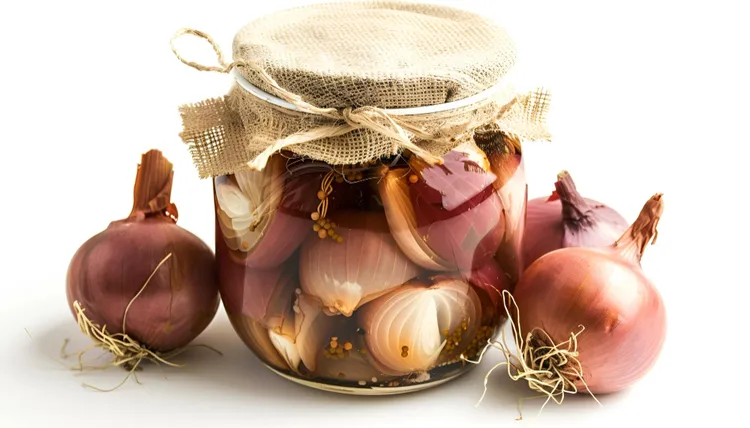
White wine vinegar is a reliable choice for preserving applications where color neutrality matters. When pickling pale vegetables (cauliflower, fennel, white onion, garlic), white wine vinegar keeps the natural colors intact - red wine vinegar would tint everything pink, which in some applications is fine but in others is undesirable. It also produces a cleaner, more neutral brine flavor that lets delicate spice additions (tarragon, fennel seed, white peppercorn) come through without competition from a strong vinegar character. The acidity level (6% to 7%) makes it appropriate for both refrigerator pickling and water bath canning. For anyone making pickled garlic, preserved lemon-adjacent preparations, or whole pickled vegetables intended for charcuterie boards and antipasto platters, white wine vinegar is the right choice for both visual and flavor reasons.
The Case for Having Both
The real answer to "which should I use" is: ideally, both. They fill different roles and cost about the same. A 500ml bottle of each, used thoughtfully, covers essentially all Western cooking acid requirements. Red wine vinegar handles bold salads, marinades for red meat, Mediterranean preparations, and pickling red vegetables. White wine vinegar handles delicate dressings, fish preparations, cream sauces, and pickling pale vegetables. When in doubt in a recipe that doesn't specify, use white wine vinegar - its neutrality means it rarely introduces a wrong note. Reserve red wine vinegar for applications where you want its specific assertive, tannic character. The investment is modest and the expanded range is immediate.
Latest