South American Condiments and Cooking: A Complete Guide
From Argentine chimichurri to Peruvian ají amarillo paste, South American cooking is built on bold, fresh condiments that transform simple ingredients into something worth eating. This guide covers the essential sauces, spices, and techniques from across the continent.
Most home cooks underestimate how much of South American cuisine lives in the condiments. The proteins are often simple - grilled meat, poached chicken, cured fish - but the sauces alongside them are where the real work happens. Get the chimichurri right and a cheap cut of beef becomes a meal worth remembering. Get the leche de tigre right and ceviche stops being a thing you only order at restaurants.
The Flavor Logic of South American Cooking
South America is not a monolith. The food of coastal Peru tastes nothing like the food of inland Argentina, which tastes nothing like Brazilian cooking from Bahia. But there are common threads: fresh herbs used in volume, chiles used for flavor as much as heat, acid (lime, vinegar) used to brighten rather than dominate, and a general preference for building condiments separately rather than cooking everything in one pot.
Understanding this logic makes the individual recipes easier to learn. The condiments are modular. Chimichurri works on steak, chicken, fish, vegetables, and bread. Hogao is the base for rice, beans, eggs, and soups. Salsa criolla goes on everything from lomo saltado to grilled chicken. Once you have four or five of these in your rotation, you can cook South American food intuitively rather than by rote.
Argentina and Uruguay: Fire and Herbs
Argentine and Uruguayan cooking centers on asado - the tradition of cooking meat over live fire, slowly, with almost no seasoning beyond coarse salt. The flavors come from the fire itself and from what you put on the meat after it comes off the grill.
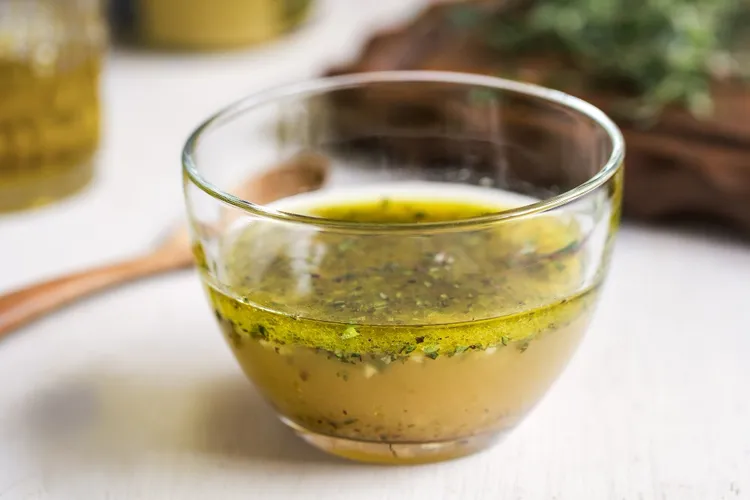
The essential condiment here is chimichurri, a loose herb sauce made from flat-leaf parsley, garlic, oregano, red wine vinegar, and olive oil. Green chimichurri is the standard; chimichurri rojo adds dried chiles and red pepper for a smokier result. Both are uncooked - you chop, combine, and wait at least thirty minutes for the flavors to settle. A properly made chimichurri keeps in the fridge for a week and improves after day two.
The other essential for any asado table is pebre, Chile's herb salsa that crosses the Andes and shows up at grills across the southern cone. It adds tomato and fresh ají to the herb base, making it looser and brighter than chimichurri. Serve both and let people choose.
For the asado itself, the technique matters as much as the condiments. Read our full breakdown of asado grilling techniques - cuts, fire management, and timing - before you light the coals.
Peru: The Most Condiment-Dense Kitchen in South America
Peruvian cooking is built on ají chiles - particularly ají amarillo, ají panca, and rocoto. Each has a distinct flavor profile beyond heat: ají amarillo is fruity and bright, ají panca is smoky and deep, rocoto is berry-like with serious punch. Most home cooks outside Peru will work with these as jarred pastes, which are widely available online and in Latin grocery stores.
The cornerstone condiment is ají amarillo paste. It goes into huancaína sauce, ají de gallina, causa, and dozens of other dishes. A jar in your fridge changes what you can cook. Start there before any other Peruvian ingredient.
From ají amarillo paste, two classic sauces follow naturally. Huancaína sauce is a creamy, slightly spicy blend of ají amarillo, fresh cheese, crackers, and evaporated milk - served cold over boiled potatoes as a starter, or used as a sauce for grilled chicken. Ají de gallina uses the same paste in a warm, bread-thickened sauce with shredded chicken, walnuts, and Parmesan - one of the great comfort dishes of the continent, around 480 kcal per generous serving with roughly 35g protein.
The fresh condiments are equally important. Salsa criolla is a quick-pickled red onion and ají relish that takes fifteen minutes to make and keeps for two days. It cuts through rich dishes like ceviche and lomo saltado with sharp acidity. Rocoto relleno - fiery stuffed peppers filled with spiced ground beef, topped with melted cheese - shows what happens when the rocoto chile moves from condiment to main event.
For raw preparations, the centerpiece is ceviche. Understanding how to make ceviche and get the leche de tigre right is the single most valuable Peruvian skill for a home cook - the acid-curing technique, the balance of lime and salt, the tiger's milk marinade that makes the dish.
Brazil: The Aromatic Base and the BBQ Condiment
Brazilian cooking leans on sofrito-style aromatic bases and bright fresh condiments served alongside grilled meat. The two you need to know are sofrito and vinagrete.
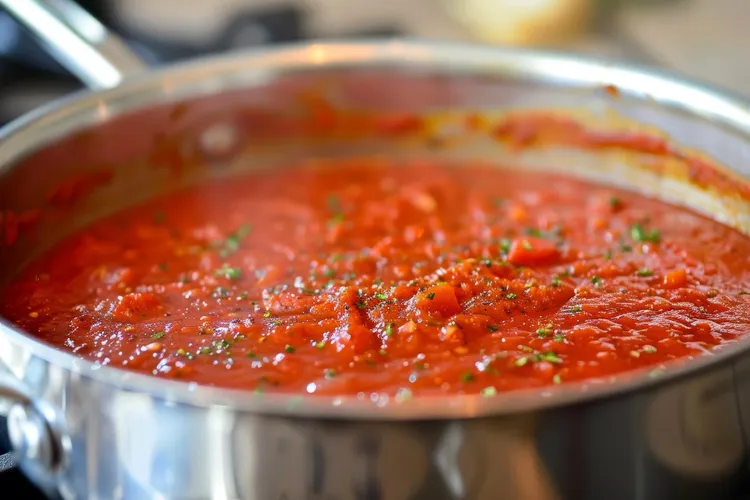
Sofrito - called refogado in Brazil, hogao in Colombia, ahogado in parts of Ecuador - is the cooked-down aromatic base of onion, garlic, tomato, and peppers that underpins most savory dishes across the continent. The Brazilian version uses tomato, onion, and garlic with olive oil and sometimes green onion. Make a big batch on Sunday and use it through the week.
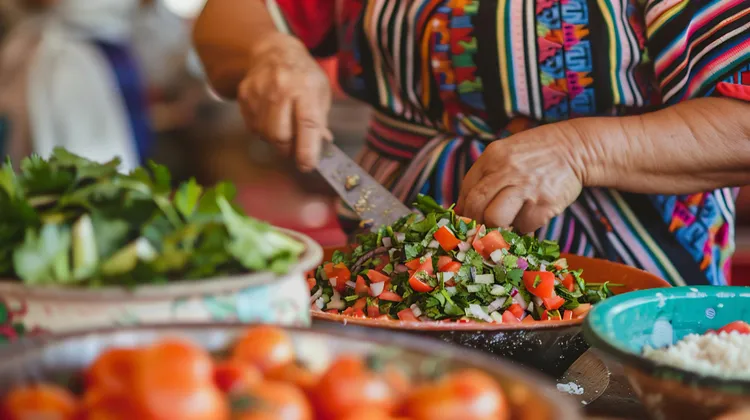
Brazilian vinagrete is the fresh condiment served at every churrasco: finely diced tomato, white onion, bell pepper, and parsley in red wine vinegar and olive oil. It's lighter than salsa and less oily than chimichurri - excellent on grilled meat, tucked into a bread roll with sausage, or spooned over rice and beans.
Colombia and Venezuela: The Hogao Foundation
Colombian cooking has its own essential condiment: hogao, a slow-cooked sauce of tomato and scallion that is looser than sofrito and more deeply savory. It goes on arepas, rice, beans, eggs, and grilled meat. It is not a finishing sauce - it's a building-block sauce, cooked until the tomato breaks down completely and the scallion sweetens. Ten minutes of cooking transforms it; thirty minutes makes it exceptional.
Macro Overview: What to Expect
South American condiments are generally low-calorie additions that add significant flavor. A two-tablespoon serving of chimichurri runs about 80-90 kcal (mostly from olive oil, 8-9g fat, negligible protein and carbs). Salsa criolla is essentially calorie-free. Vinagrete is similarly light.
The sauces with dairy - huancaína, ají de gallina sauce - run higher: huancaína is around 120-150 kcal per quarter-cup serving. The full dishes like ají de gallina or rocoto relleno are proper meals at 400-550 kcal per serving with 30-40g protein, depending on portion size.
- Chimichurri (2 tbsp): ~85 kcal, 0g protein, 1g carbs, 9g fat
- Salsa criolla (2 tbsp): ~15 kcal, 0g protein, 2g carbs, 1g fat
- Vinagrete (2 tbsp): ~20 kcal, 0g protein, 2g carbs, 1g fat
- Huancaína sauce (1/4 cup): ~130 kcal, 5g protein, 8g carbs, 9g fat
- Ají de gallina (1 serving): ~480 kcal, 35g protein, 30g carbs, 22g fat
- Rocoto relleno (1 pepper): ~420 kcal, 28g protein, 18g carbs, 26g fat
All values are estimates based on typical recipes.
Stocking a South American Pantry
You don't need much to get started. The fresh ingredients - parsley, cilantro, lime, onion, tomato, garlic - are at any supermarket. The specialty items worth sourcing once:
- Ají amarillo paste: The single most useful jar in a Peruvian pantry. Available on Amazon and in Latin grocery stores. Lasts months in the fridge.
- Ají panca paste: Smoky, less hot than ají amarillo. Used in anticuchos and stews.
- Rocoto paste or frozen rocoto: Very hot. Use sparingly.
- Red wine vinegar: Essential for chimichurri and vinagrete. Use a decent bottle - it matters.
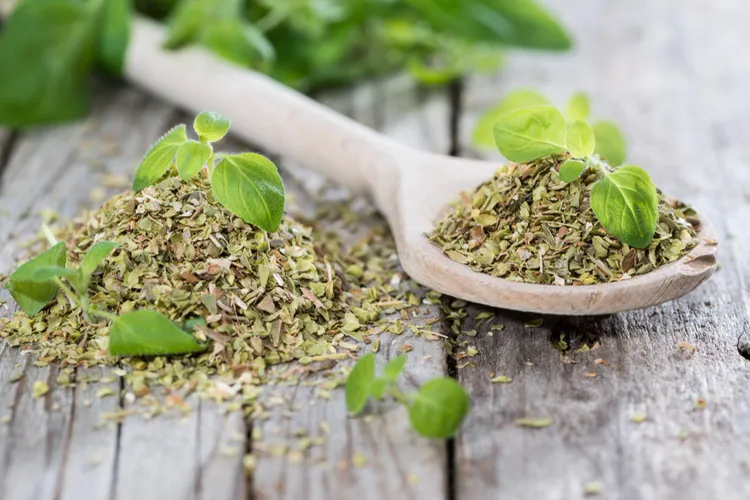
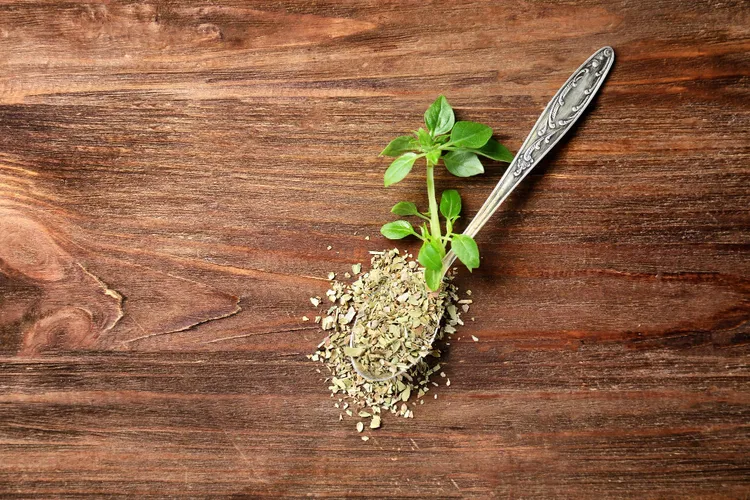
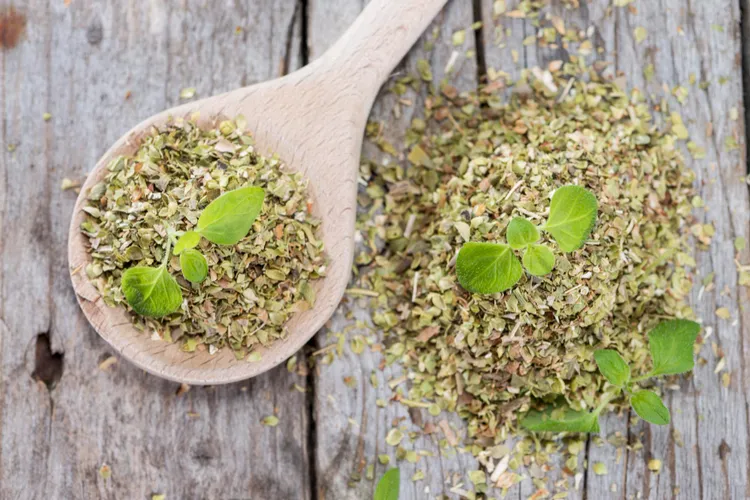
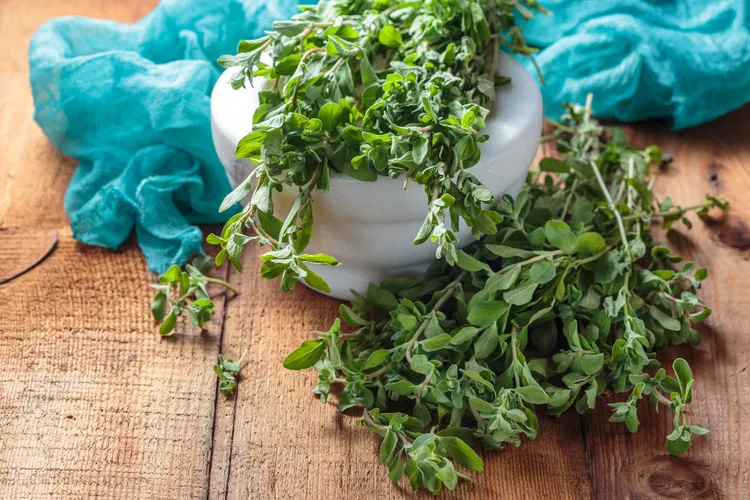
- Dried oregano: South American oregano is stronger and more pungent than the Italian variety. If you have it, use less.
- Coarse sea salt: The only seasoning used on asado meat before cooking.
Where to Start
If you've never cooked from this region, start with chimichurri on grilled chicken thighs. It takes ten minutes, uses ingredients you probably have, and the result is immediately good. From there, add salsa criolla for texture. Then try vinagrete at your next BBQ. By the time you've made those three, the Peruvian sauces will feel approachable rather than exotic.
The recipes below cover each condiment and dish in detail - ingredients, technique, storage, and macros.
Latest