What Are Macros and Why Do They Matter?
Protein, carbohydrates, and fat - every calorie you eat comes from one of these three. Here is what each one does and how to hit your targets without obsessing over every gram.
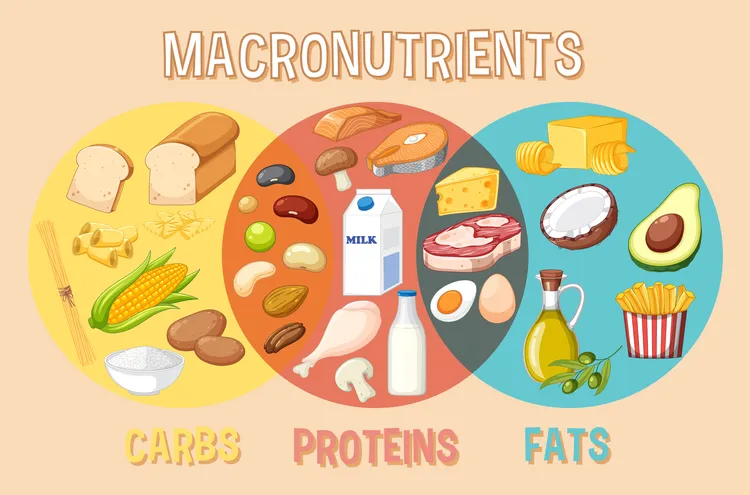
Macros is short for macronutrients - the three categories that make up every calorie in your diet. Understanding them is more useful than memorising which foods are "clean" or "bad", because it tells you exactly what your body is getting from a meal and what it is missing.
This article is part of the broader Healthy Eating & Nutrition guide, which covers calories, meal planning, and habits alongside macros.
Protein: The Most Important Macro for Most People
Protein is made up of amino acids, which the body uses to build and repair muscle tissue, produce enzymes and hormones, and support immune function. At 4 calories per gram, it is also the most satiating macro - it keeps you full longer than an equivalent amount of carbohydrate or fat.
Most adults should aim for 1.6-2.2g of protein per kg of bodyweight per day. A 70kg adult needs roughly 112-154g daily. Most people currently eat around 70-80g - enough to prevent deficiency, but not enough to support muscle retention during weight loss or modest muscle gain. For a full breakdown of protein targets and how to hit them, see How Much Protein Do You Need Per Day?
Best sources: eggs, chicken, fish, lean beef, cottage cheese, Greek yogurt, legumes. The Egg and Cottage Cheese Omelet provides around 28g protein in one meal.
Carbohydrates: Fuel, Not the Enemy
Carbohydrates break down into glucose - your body's preferred energy source, particularly for the brain and during high-intensity exercise. At 4 calories per gram, they are calorie-neutral compared to protein but vary enormously in quality.
The distinction that matters is not simple vs. complex - it is fibre content and processing level. Whole oats, lentils, brown rice, sweet potato, and most vegetables are absorbed slowly and provide sustained energy. White bread, sugary drinks, and most packaged snacks spike blood sugar rapidly and leave you hungry again within an hour or two.
For a detailed breakdown of which carb sources are worth eating and which to limit, read The Truth About Carbs: Which Ones to Eat and Which to Limit.
Target: 40-50% of total calories for most adults, skewed toward whole-food sources.
Fats: Essential, Not Optional
Fat is the most calorie-dense macro at 9 calories per gram, which is why portion size matters more here than with protein or carbs. But it is not optional - fat supports hormone production, absorbs fat-soluble vitamins (A, D, E, K), and provides essential fatty acids the body cannot make on its own.
The fats worth prioritising:
- Monounsaturated fats: Olive oil, avocado, almonds. Associated with lower inflammation and cardiovascular risk.
- Omega-3 fatty acids: Oily fish (salmon, sardines, mackerel), flaxseed, walnuts. Anti-inflammatory and important for brain health. A serving of Lemon-Butter Baked Salmon with Asparagus covers your omega-3 needs for the day.
- Saturated fats: Eggs, dairy, meat. Fine in moderation - the evidence for harm from moderate saturated fat intake in the context of an otherwise good diet is weaker than once thought.
Avoid: partially hydrogenated oils (trans fats), which appear in some processed foods, margarines, and commercial baked goods. These have a clear association with cardiovascular harm.
Target: 25-35% of total calories.
For a faster route to your personal macro split, the Consillar macro and protein calculators take your TDEE as an input and divide it into protein, carb, and fat targets automatically.
How to Hit Your Macro Targets Without Tracking Everything
Full tracking is useful for 4-8 weeks to build intuition. After that, a few structural habits handle most of it:
- Include a palm-sized protein source at every meal (roughly 25-35g protein per meal).
- Fill half your plate with vegetables or salad at lunch and dinner.
- Use oil and dressings intentionally rather than freely - a tablespoon of olive oil is 120 calories.
- Get carbs from whole sources: oats, rice, legumes, root vegetables, fruit.
For the plate-building framework in visual terms, see How to Build a Balanced Plate at Every Meal.
The Macro That Most People Get Wrong
Consistently: protein. It is under-eaten at breakfast, often skipped at lunch, and only addressed at dinner. Starting with Egg, Spinach and Bacon Muffins at breakfast - batchable in 30 minutes for the week - adds 20-26g protein before 9am and reduces hunger significantly by lunchtime. Small shift, meaningful result.
Latest