How to Make Miso Soup from Scratch (Not the Packet)
Packet miso soup is fine in a pinch, but homemade miso soup made with real dashi is a different thing entirely - cleaner, deeper, and only 10 minutes of actual effort. Here's how to make it properly.
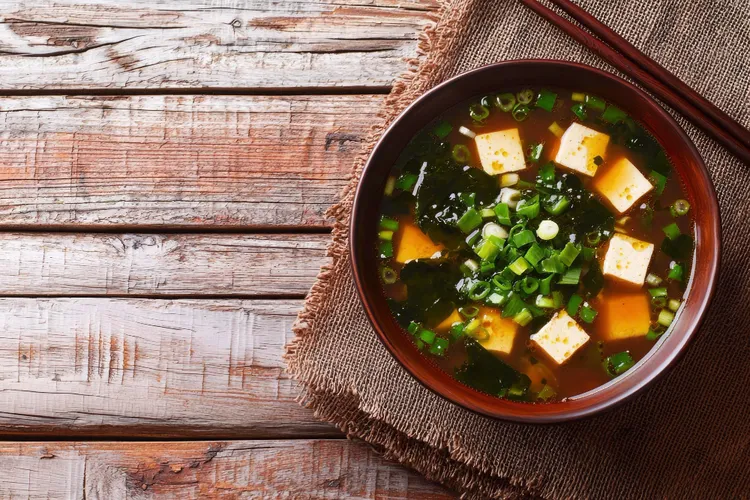
The instant version is not bad. But real miso soup - made with kombu-and-bonito dashi and good miso paste - has a clarity and depth that the packet simply cannot replicate. The difference is dashi: the foundational Japanese stock that takes about 15 minutes to make from scratch and keeps in the fridge for three days. Learn this, and miso soup goes from a side dish to something you'll want to make every morning.
What You Need
For the dashi (makes 4 cups, enough for 4 servings of soup):
- 4 cups cold water
- 10g kombu (dried kelp) - one 10cm piece
- 15g katsuobushi (bonito flakes) - about a loosely packed cup
For the miso soup:
- 3.5 cups dashi
- 3-4 tablespoons miso paste (start with 3, adjust to taste)
- Tofu (firm or silken), cut into 1cm cubes - about 100g per person
- Dried wakame seaweed - 1 teaspoon per serving, rehydrated in cold water
- 2-3 spring onions, thinly sliced
Equipment: A medium saucepan, a fine-mesh strainer or cheesecloth, and a small strainer or miso strainer for dissolving the paste. A miso strainer (ami jakushi) is a cheap, useful tool - it lets you push the miso through the mesh directly into the hot soup without lumps.
Making the Dashi
Put the cold water and kombu in a saucepan. Heat over medium-low heat, slowly. The goal is to extract umami from the kombu before the water boils - boiling the kombu produces a slimy, slightly bitter result. Watch for small bubbles forming around the kombu (around 60-70°C / 140-158°F). Remove the kombu at this point.
Increase the heat to medium-high and bring to a boil. Turn off the heat. Add all the bonito flakes at once - do not stir. Let them steep for 3-4 minutes; they will sink to the bottom. Strain through a fine-mesh strainer. Discard the spent flakes (or keep them for a second, lighter batch called niban dashi).
The resulting stock should be pale golden, slightly smoky, and smell clean and oceanic. This is ichiban dashi - first-draw dashi, the best quality.
Shortcut: Instant dashi granules (hondashi) dissolved in hot water at the package ratio work well for everyday use. Use homemade dashi when you want the full flavour, instant when speed matters.
Making the Soup
Heat the dashi to just below a simmer - you want it hot but not boiling. Add the tofu and rehydrated wakame. Warm through for 1-2 minutes.
Reduce heat to low. Using a small strainer, push the miso paste into the soup, pressing it through the mesh with a spoon. This avoids lumps and distributes the miso evenly. Never boil miso - high heat kills the live cultures and dulls the flavour significantly.
Taste. Add more miso if needed. Divide between bowls, top with spring onion, and serve immediately.
Variations to Know
Miso soup is seasonal in Japan - different vegetables and protein sources by time of year. A few reliable variations:
- Tofu and wakame: The classic, year-round. White miso for a milder version, red miso for more depth.
- Potato and onion: Yukon gold potatoes cut small, sliced onion, white miso. Heartier, more filling.
- Clams (asari miso shiru): Fresh clams opened in dashi, white miso added at the end. Excellent and takes 10 minutes.
- Mushroom: Shiitake, enoki or maitake. Add dried shiitake directly to the dashi while heating for double the umami.
- Tonjiru: The substantial pork and root vegetable version - essentially miso soup that becomes a main dish. Full recipe in our tonjiru guide.
Miso Types and What They Do
All miso is made from fermented soybeans, salt and koji (a mould culture), but the flavour varies enormously by fermentation time and whether rice or barley is added to the mix.
- White miso (shiro miso): Short fermentation, sweet, mild, lower sodium. Best for: light soups, salad dressings, marinades, miso-glazed fish.
- Red miso (aka miso): Long fermentation, intense, salty, complex. Best for: heartier soups, braised meats, miso butter.
- Mixed/blended (awase miso): The most common type sold outside Japan. Balanced flavour, works in most recipes. A safe default to buy first.
For a deep look at how miso is made and what distinguishes quality paste, the site's miso from scratch guide covers the full process.
Nutrition Estimate (per serving)
- Calories: ~70-90 kcal (with tofu)
- Protein: ~6g
- Carbs: ~5g
- Fat: ~3g
- Sodium: ~600-900mg - significant, varies by miso type and quantity
All values are estimates. Sodium is the main nutritional consideration - if you're monitoring intake, white miso tends to be lower-sodium than red.
Meal Prep Notes
Dashi keeps in the fridge for 3 days, so make a full batch (4-5 cups) and use it across the week. Store cooled dashi in a jar or airtight container. Do not pre-mix the miso into the dashi - dissolve fresh miso into portions as you use them to preserve the live cultures and flavour.
For a full week of Japanese cooking built around dashi and miso, see the Japanese home cooking guide.
Latest