How to Store Potatoes So They Last for Months
Ideal temperature/humidity/light conditions, why potatoes sprout or turn green, root cellar alternatives for apartments.
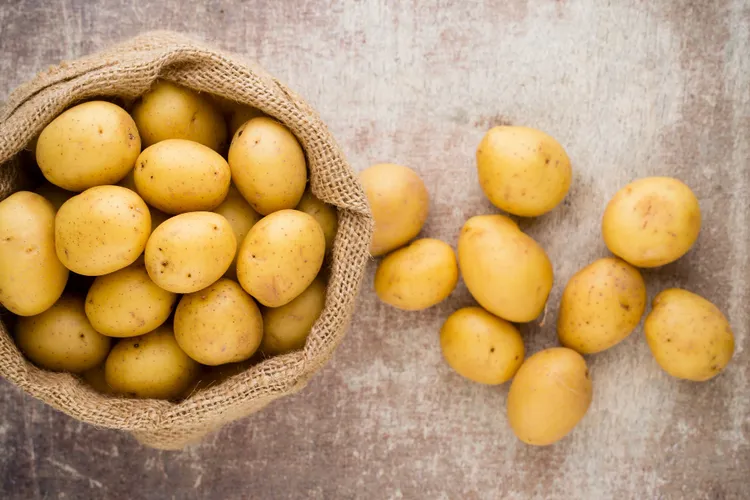
A potato is still a living tuber after harvest, and storage conditions determine how long it stays that way in a form worth eating. Get the environment right and potatoes keep for months; get it wrong and a good harvest is wasted in weeks.
The Ideal Conditions
Potatoes store best around 45-50°F, with high humidity in the 85-90% range, in complete darkness, with some airflow. That combination is harder to find in a typical home than it sounds, which is why so many potatoes end up either sprouting on a counter or turning unexpectedly sweet in a refrigerator.
Why the Refrigerator Is the Wrong Answer
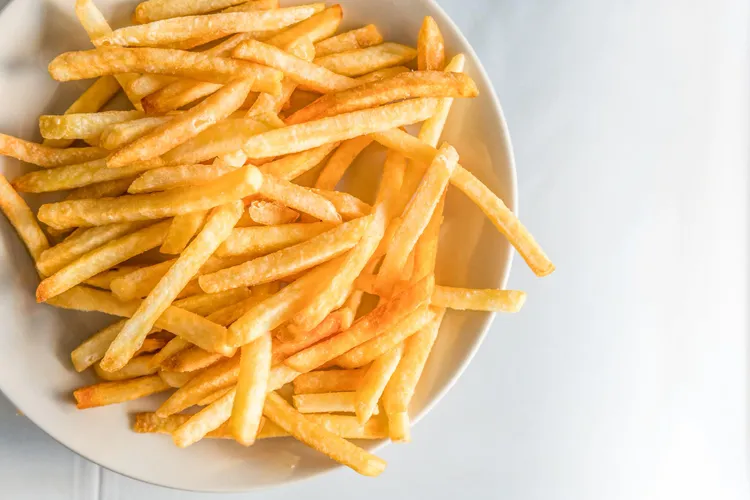
Refrigerator temperatures, typically 35-40°F, are colder than ideal potato storage, and that extra cold accelerates a process called cold-induced sweetening, where the potato converts stored starch into simple sugars faster than normal. The practical effect shows up at the stove: refrigerated potatoes fry and roast noticeably darker, thanks to those extra sugars caramelizing and browning faster, and taste unexpectedly sweet. If a refrigerated potato has to be used for frying, letting it sit at room temperature for a day or two beforehand allows some of that sugar to convert back to starch.
Why They Sprout, and Why They Turn Green
Sprouting is simply the potato acting on its biological purpose: given warmth and light, it tries to grow. Cool, dark storage slows this dramatically. Light exposure specifically triggers a separate reaction: chlorophyll production near the skin, visible as green discoloration, accompanied by increased levels of solanine, a natural toxin the plant produces as a defense mechanism. Small green patches can be trimmed away, but a potato that's significantly green throughout, or has sprouted extensively, has enough solanine that it's not worth the risk of eating.
Setting Up Storage Without a Root Cellar
Most apartments and modern homes don't have a naturally cool, dark space in the 45-50°F range, but reasonable substitutes exist. A cardboard box or paper bag (never a sealed plastic bag, which traps moisture and encourages rot) in the coolest, darkest closet available, an unheated garage in moderate climates, or an insulated cooler in a cool basement can all get close enough to ideal conditions for weeks-to-months of storage, even if not the full potential shelf life of a true root cellar.
What to Avoid Nearby
Never store potatoes next to onions. Onions release ethylene gas as they age, and that gas accelerates sprouting in nearby potatoes significantly. Keep the two in separate spots in the pantry, even if it seems convenient to group all root vegetables together.
Checking Stored Potatoes
Periodically sort through stored potatoes and remove any that are soft, wrinkled, or showing signs of rot; one deteriorating potato can accelerate spoilage in tubers touching it. For how variety affects storage life in the first place, floury Russets and waxy reds don't keep quite the same way, see Potato Varieties Explained.
Latest