Japanese Curry at Home: Rich, Thick and Better Than the Box
Japanese curry is one of the most comforting weeknight dinners you can make - sweet-savoury, thick, almost stew-like. You can make it from roux blocks in 30 minutes or from scratch in an hour. Here's how to do both, and which is worth the effort.
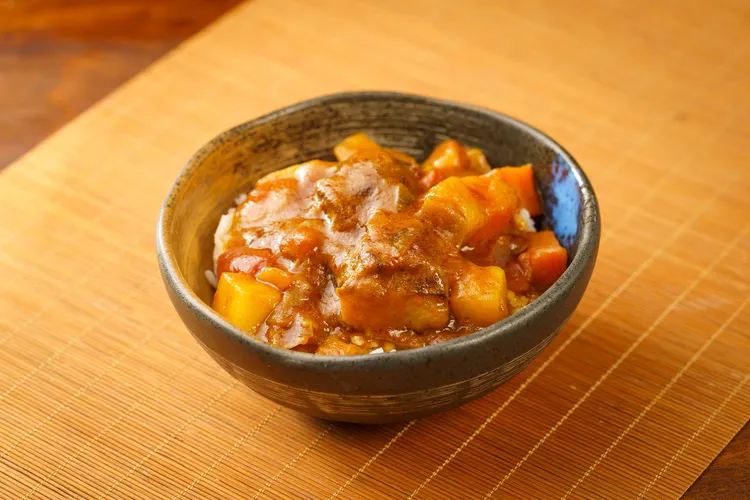
Japanese curry (kare raisu) is not like Indian curry. It is milder, sweeter, thicker - closer in texture to a beef stew than a spiced broth - and it is eaten with Japanese short-grain rice, not naan or basmati. It became a staple of Japanese home cooking in the early 20th century, adapted through the British Navy's version of Indian curry, and is now so embedded that most Japanese households keep a box of S&B or Vermont curry roux in the pantry as a default weeknight option. The box version is genuinely good. The scratch version is better, and once you've made it twice, not significantly harder.
Roux Block Version (30-40 Minutes)
This is the weeknight method. Japanese curry roux blocks (S&B Golden Curry, House Vermont Curry, or similar) are sold in most supermarkets and Asian grocery shops. They dissolve into a sauce of remarkable depth for how little effort they require.
Ingredients (serves 4):
- 500g chicken thighs or beef (chuck or shin for richness), cut into 3cm pieces
- 2 medium onions, sliced
- 2 medium potatoes (waxy), cut into chunks
- 2 carrots, cut into rounds
- 1 tablespoon vegetable oil
- Half a box of Japanese curry roux (approx 100g) - mild, medium or hot
- 600ml water or light chicken stock
- 1 tablespoon soy sauce (optional, deepens flavour)
- 1 teaspoon Worcestershire sauce (optional, same effect)
Method: Brown the meat in oil over high heat, remove. In the same pan, cook the onions over medium heat for 10-15 minutes until soft and starting to colour - this step makes a significant difference to the final flavour. Add water or stock, the browned meat, carrots and potatoes. Simmer 15 minutes. Remove from heat, break the roux blocks into the pot, stir until dissolved. Return to low heat and simmer 10 minutes until thick. Serve over Japanese rice.
From-Scratch Version (60-75 Minutes)
Making curry from scratch means making your own roux and spice base. The payoff is a more complex flavour and control over sweetness and spice level. It also lets you use better meat - short-rib beef produces a significantly richer curry than supermarket stewing beef.
The spice mix (for 4 servings):
- 2 tablespoons curry powder
- 1 teaspoon garam masala
- Half teaspoon each: ground cumin, ground coriander, ground cardamom
- Quarter teaspoon cayenne (adjust to taste)
The roux: In a small pan, melt 3 tablespoons butter over medium heat. Add 3 tablespoons plain flour and stir constantly for 5-7 minutes until it turns a light amber colour. Add the spice mix and cook 1 more minute. Remove from heat - this is your curry roux paste.
The rest: Follow the roux-block method above for browning meat and vegetables. Instead of the boxed roux blocks, stir in your paste. Simmer until thick, adjusting seasoning with soy sauce, Worcestershire and a small piece of dark chocolate or apple for sweetness - both are traditional Japanese additions.
Protein Options and Macro Impact
Japanese curry is flexible on protein. The calorie range shifts considerably depending on your choice:
- Chicken thigh: ~480 kcal per serving with rice, 32g protein. The default home version.
- Beef chuck: ~560 kcal, 35g protein. Richer, better for slow-cooked versions.
- Pork shoulder: ~520 kcal, 33g protein. Common in school lunch curry (kyushoku kare).
- Tofu and vegetables (vegan): ~380 kcal, 14g protein. Use vegetable stock and a vegan roux.
- Seafood (shrimp or scallops): ~400 kcal, 28g protein. Add in the final 5 minutes only.
All values are estimates for a full serving with 200g cooked rice.
The Caramelised Onion Step (Don't Skip It)
The single biggest flavour difference between a mediocre Japanese curry and a great one is how long you cook the onions. Fifteen minutes produces a decent result. Thirty minutes - onions cooked slowly until deep golden, almost jammy - produces something genuinely different. The natural sugars caramelise and add a sweetness that the boxed roux is approximating with sugar additives. If you have time, use it here.
Additions That Make It Better
A few add-ins that Japanese home cooks use regularly:
- Grated apple: Half a Granny Smith, grated, added with the onions. Adds sweetness and body.
- Honey: 1 tablespoon stirred in at the end. Balances the spice.
- Dark chocolate: A small square (5-10g) dissolved into the finished sauce. A classic trick for depth.
- Fukujinzuke: Red pickled vegetables served alongside. Cuts the richness of the curry and is traditional.
Meal Prep Notes
Japanese curry improves significantly overnight - the flavours meld and the sauce thickens further. Make a double batch, cool quickly, and refrigerate. It keeps for 4 days in the fridge and freezes well. Reheat with a splash of water to loosen.
For the full framework of weeknight Japanese cooking, including how curry fits into a weekly meal plan, see the Japanese home cooking guide.
Latest