Macros to Meals: Turning Your Targets into a Plate
A four-step method for turning daily protein, carb and fat targets into real meals, with a full worked day and quick fixes when the numbers do not land.
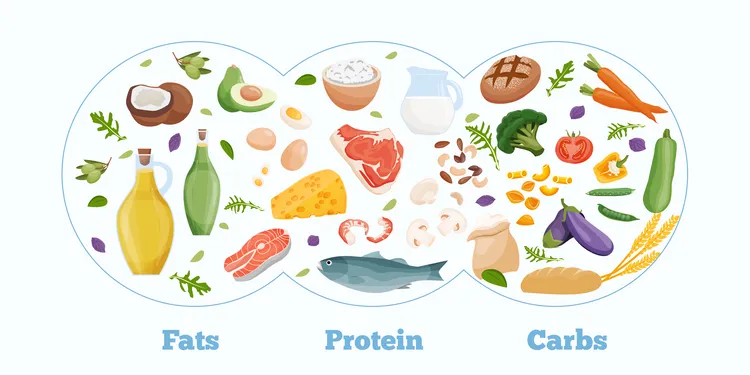
A macro calculator hands you three numbers and then leaves you alone in the kitchen. "160g protein, 235g carbs, 68g fat" does not tell you what to cook at 7 pm. The gap between a target and a plate is where most people stall, and it closes with a method rather than more willpower. This guide gives you a four-step process, a lookup of what common foods contribute, and one full day built from scratch so you can see every number. If you do not have targets yet, start with the Consillar calculators, which turn your stats and goal into daily calories and macros.
What the Three Numbers Mean
Protein and carbohydrate each carry 4 kcal per gram. Fat carries 9. A daily target of 160g protein, 235g carbs and 68g fat works out to 640 + 940 + 612 = 2,192 kcal, so about 2,200. That example runs through this whole guide so you can follow the arithmetic. Your numbers will differ, but the method does not change.
Because fat is so dense, it is the macro that moves calories fastest. One tablespoon of olive oil is 14g of fat and 120 kcal. The same 120 kcal in cooked white rice is about 90g, a small scoop. That asymmetry is why the order in which you build a plate matters, and why oil is the first thing to check when a day runs over.
The Four-Step Method
- Divide the targets across your eating occasions.
- Choose a protein anchor for each meal.
- Add carbs to close the gap.
- Add fat last, then check and adjust.
The order is deliberate. Protein is the least flexible macro and the most filling, so it goes first. Carbs are easy to scale up or down in small steps. Fat is calorie-dense and easy to overshoot, so it comes last, when you know exactly how much room is left.
Step 1: Divide the Targets Across the Day
Multiply each daily macro by the share of the day that each meal should carry. For three meals and one snack, a simple split is 25% breakfast, 30% lunch, 30% dinner and 15% snack. Applied to the example targets, rounded:
- Breakfast (about 550 kcal): 40g protein, 59g carbs, 17g fat
- Lunch (about 650 kcal): 48g protein, 70g carbs, 20g fat
- Dinner (about 650 kcal): 48g protein, 70g carbs, 20g fat
- Snack (about 330 kcal): 24g protein, 35g carbs, 10g fat
These add back up to 160g protein, 234g carbs and 67g fat. If your day has five eating occasions or a different shape, other splits work just as well, and our guide on how to split 2,000 calories across 3 meals and 2 snacks compares four templates you can borrow the percentages from.
Step 2: Choose a Protein Anchor
Look at the protein target for the meal and pick one main source that covers most of it. For a 48g target, a 120g portion of cooked chicken breast gives about 37g, and the rest arrives from rice, vegetables and other sides. Roughly 25 to 30g of protein comes from 90 to 110g of cooked meat or fish, about 250g of Greek yogurt, or 300g of tofu. To see how protein stacks across a whole day, read what 150g of protein looks like in a day, which walks through three complete examples.
Step 3: Add Carbs to Close the Gap
Next, look at the carb target and fill it with a starch, a piece of fruit or both. Count the carbs already supplied by the protein anchor, which are usually close to zero for meat and fish and a few grams for dairy and legumes. For a 70g carb target, about 225g of cooked white rice gives 63g, and 150g of vegetables adds roughly 8g, which lands at 71g.
Step 4: Add Fat Last, Then Check
Now add the remaining fat. Count what the other ingredients already brought: chicken breast, rice and vegetables together carry about 5g of fat. To reach 20g, add 1 tablespoon of olive oil, which is 14g. Then tally the plate against the target and adjust. If you are within about 5g of each macro and 5% of the calories, the plate is good. Chasing exact grams is a trap, since nutrition labels and cooking methods already introduce errors of that size.
A Lunch Built Step by Step
Here is the method applied to the lunch target of 48g protein, 70g carbs and 20g fat.
- Protein anchor: 120g cooked chicken breast gives about 37g protein, 0g carbs, 4g fat (198 kcal).
- Carbs: 225g cooked white rice adds about 6g protein, 63g carbs, 1g fat (292 kcal).
- Vegetables: 150g mixed vegetables adds about 3g protein, 8g carbs (50 kcal).
- Fat: 1 tbsp olive oil adds 14g fat (120 kcal).
Plate total: about 46g protein, 71g carbs, 19g fat, 660 kcal. That is within 2g of the protein target, 1g of the carbs, 1g of the fat and 10 kcal of the calorie target. This is as close as you need to get.
Quick Reference: What Common Foods Contribute
Foods are rarely one macro, and our protein per 100 kcal ranking shows which ones give the most protein for the calories. Rice is mostly carbs but carries a little protein, and lentils bring all three. Approximate values per 100g, cooked weights unless stated otherwise:
- Chicken breast: 31g protein, 0g carbs, 4g fat (165 kcal)
- Salmon: 25g protein, 0g carbs, 12g fat (208 kcal)
- Eggs: 13g protein, 1g carbs, 10g fat (143 kcal)
- Greek yogurt, 0% fat: 10g protein, 4g carbs, 0g fat (59 kcal)
- Firm tofu: 8g protein, 2g carbs, 4g fat (76 kcal)
- Lentils: 9g protein, 20g carbs, 0g fat (116 kcal)
- White rice: 3g protein, 28g carbs, 0g fat (130 kcal)
- Baked potato: 2.5g protein, 21g carbs, 0g fat (93 kcal)
- Oats, dry: 17g protein, 66g carbs, 7g fat (389 kcal)
- Avocado: 2g protein, 9g carbs, 15g fat (160 kcal)
- Almonds: 21g protein, 22g carbs, 50g fat (579 kcal)
- Olive oil: 0g protein, 0g carbs, 100g fat (884 kcal)
Two patterns are worth memorizing. Almonds and avocado are mostly fat despite their healthy reputation, so a small portion does a lot of the fat budget. Olive oil is pure fat, so measure it with a spoon rather than a pour.
A Full Day, Built From the Targets
Here is the whole day for the 160g protein, 235g carbs and 68g fat example, with each meal adjusted until it lands close.
Breakfast: target 40g protein, 59g carbs, 17g fat
- 2 eggs cooked in 1 tsp oil
- 2 slices whole wheat toast
- 200g plain 0% Greek yogurt
- Half a banana
Result: about 41g protein, 53g carbs, 18g fat, 540 kcal. The first draft used a whole banana and overshot the carbs by 7g and the calories by about 45, so cutting the banana in half fixed it.
Lunch: target 48g protein, 70g carbs, 20g fat
- 120g cooked chicken breast
- 225g cooked white rice
- 150g mixed vegetables
- 1 tbsp olive oil
Result: about 46g protein, 71g carbs, 19g fat, 660 kcal, as built above.
Snack: target 24g protein, 35g carbs, 10g fat
- 150g plain 0% Greek yogurt
- 1 apple
- 20g almonds
Result: about 19g protein, 35g carbs, 10g fat, 300 kcal. Protein runs about 5g short here, which is a fine trade for a snack. If you want to close it, swap the apple for a second portion of yogurt or add a small scoop of protein powder.
Dinner: target 48g protein, 70g carbs, 20g fat
- 150g baked salmon
- 300g baked potato
- 150g green beans, no added oil
Result: about 48g protein, 71g carbs, 18g fat, 640 kcal. The first draft used 130g salmon and a teaspoon of oil, which left protein 5g short. Raising the salmon to 150g fixed the protein, and since salmon already supplies a lot of fat, the extra oil came out.
Day total: about 154g protein, 230g carbs, 65g fat, 2,140 kcal. Every macro is within about 5g of its target and the calories within 3%.
The Same Method With Plant Proteins
Plant-based plates follow the same four steps, but the protein anchor brings more carbs and fat with it, so the later steps shrink, as the vegetarian meal plan for 120g of protein shows across three full days. Take the same lunch target of 48g protein, 70g carbs and 20g fat. A build that lands close:
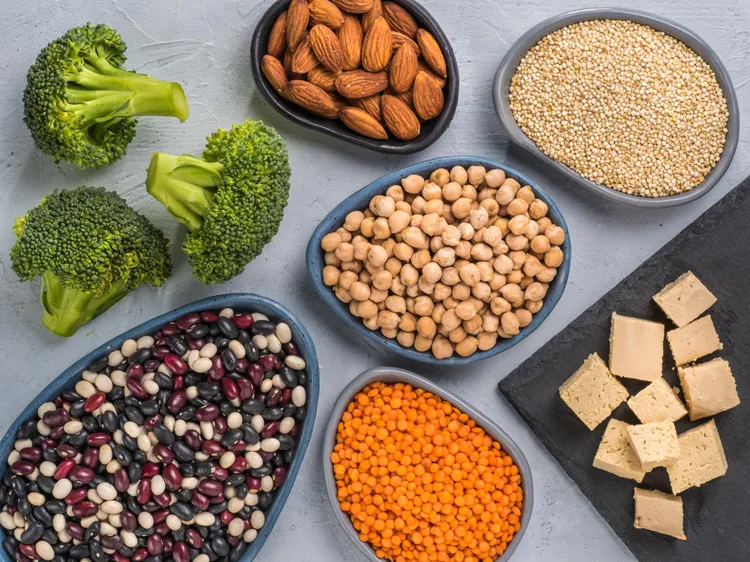
- Protein anchor: 250g firm tofu gives about 20g protein, 5g carbs, 10g fat.
- Carbs and protein together: 200g cooked lentils adds about 18g protein, 40g carbs, 1g fat.
- Extra starch: 100g cooked quinoa adds about 4g protein, 21g carbs, 2g fat.
- Vegetables: 100g spinach adds about 3g protein, 4g carbs.
- Fat: 1 tsp olive oil adds 5g fat.
Plate total: about 45g protein, 70g carbs, 18g fat, 610 kcal. Notice that the oil dropped from a full tablespoon to a teaspoon, because tofu and lentils had already supplied most of the fat budget. That is the payoff of adding fat last.
When Your Targets Look Different
The 160 / 235 / 68 example is a moderate split, but the method works on any ratio. A higher-carb target means larger starch portions in Step 3, with the protein anchor staying the same size. A lower-carb target means smaller starch portions and more of the fat budget spent on food-based sources like salmon, eggs and avocado instead of oil. A higher-fat target simply gives you a bigger Step 4. In every case you work from the same order: protein first, then carbs, then fat, and then check the total. If your calculator gave you a calorie number but you want to experiment with the split, change one macro at a time and recompute the plate, so you can see which lever moves what.
Fixing a Gap Late in the Day
Sooner or later it is 7 pm and one macro is behind. A few quick corrections, with approximate numbers:
- Short on protein by 20 to 30g: Add 200 to 250g of Greek yogurt, 200g of cottage cheese, or a scoop of whey in milk.
- Short on carbs by 30 to 50g: Add a banana (27g), a cup of cooked rice (about 45g), or two slices of bread (about 30g).
- Short on fat by 10 to 15g: Add 1 tbsp olive oil (14g), 15g of nuts or half an avocado.
- Over on fat: Remove cooking oil from the next meal, switch to a leaner protein, or measure the nut butter you have been eyeballing.
- Over on calories, macros otherwise on target: Reduce starch and fat portions slightly and keep the protein anchor intact.
Small corrections beat dramatic ones. Moving 10g of any macro is usually one food swap, and a tight day does not need to be rescued with a restrictive evening.
Where Plates Go Wrong
- Raw versus cooked weights: A 100g portion of raw chicken is about 75g cooked. Match the weight to the label's state or you will misjudge protein by roughly 30%.
- Forgetting the small stuff: Sauces, dressings, cooking oil and the milk in coffee add up to 100 to 300 kcal a day and live mostly in fat.
- Treating every food as one macro: Lentils, oats and dairy supply protein, carbs and fat together. Count what they bring before adding more.
- Chasing exact grams: A plate within 5g of each macro is on target. Beyond that you are measuring noise.
- Redesigning every day: The point of a method is to stop reinventing meals. Reuse plates that worked.
Make It Repeatable
You do not need to run the four steps every day. Build three or four reliable breakfasts, lunches and dinners that land near your targets, then rotate them. Each of the plates above becomes a template: change the protein (chicken for turkey or tofu), the starch (rice for potato or quinoa) or the vegetables, and the macros barely move as long as the portions stay the same.
Once you have your templates, the Consillar meal planner arranges them into a day around your numbers, and the meal prep tool scales them into a week of batch cooking. Cooked proteins and starches keep for 3 to 4 days in the fridge, so a Sunday cook plus a midweek top-up covers most of the week. Cool leftovers within 2 hours, and freeze single portions for anything you will not get to.
A Note on These Numbers
All figures here are estimates based on typical cooked weights and common nutrition databases. Brands, cuts and cooking methods shift them by 10% or more, so use them as a planning guide rather than exact values. This is general food information, not medical or dietary advice. If you have a medical condition or follow a medically supervised diet, talk to a qualified professional before changing how you eat.
Latest