Sunday Meal Prep in 90 Minutes: A Macro-Friendly System
A real 90-minute timeline for a full week of macro-friendly lunches and dinners - what to cook, in what order, and how to portion it without turning Sunday into a chore.
Short answer: 90 minutes is enough for a full week of lunches and dinners if you cook two proteins, one or two starches, and a vegetable in parallel instead of one at a time, and portion everything by weight once at the end instead of measuring each container separately. Here's the actual system.
Why Most Meal Prep Takes Way Longer Than It Needs To
Meal prep drags on for one main reason: cooking everything sequentially. Roast the chicken, then start the rice, then roast the vegetables, then make a sauce - each step waiting for the last one to finish. A 90-minute prep session is possible because an oven, a stovetop burner, and a rice cooker or pot can all run at the same time, unattended, while you handle the parts that actually need your hands.
The other time sink is decision-making done on prep day itself - figuring out what to cook while standing in the kitchen. That decision needs to happen before Sunday, not during it.
What to Prep: Keep It to Five Components
A full week of macro-friendly meals doesn't need ten different dishes. It needs five components that recombine differently across the week:
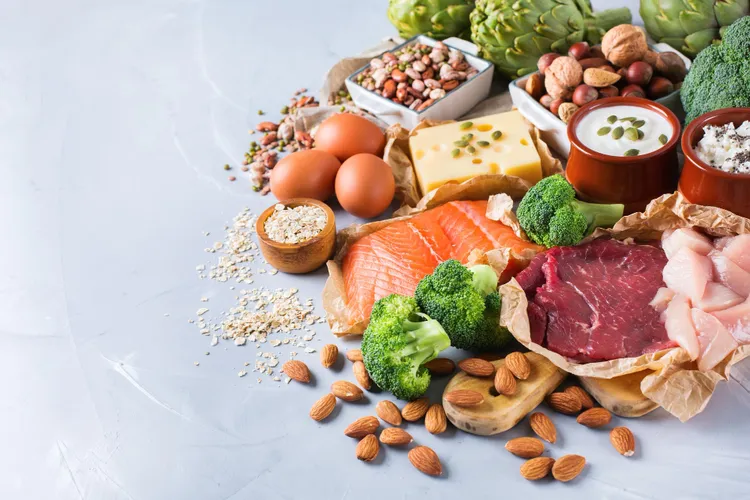
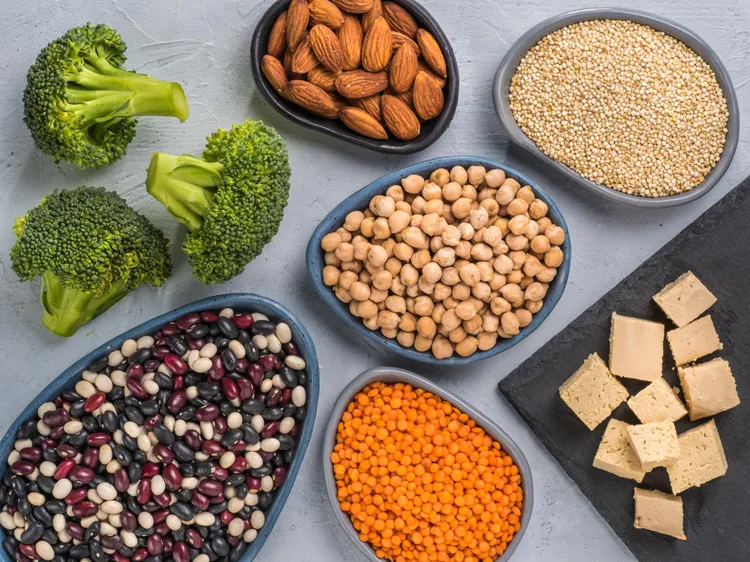
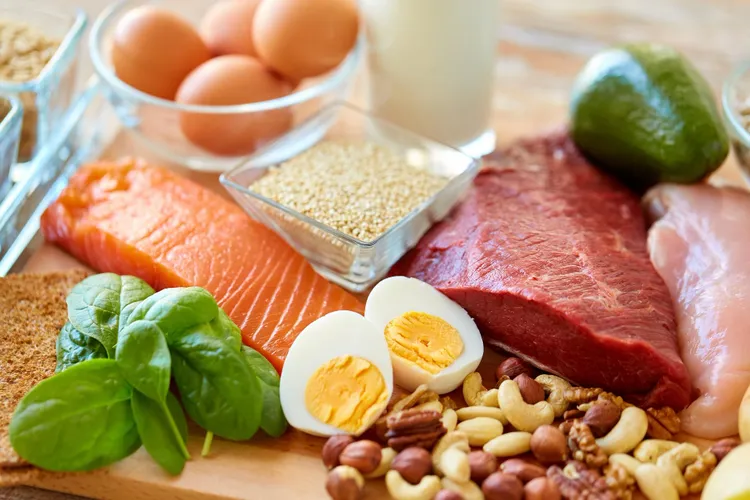
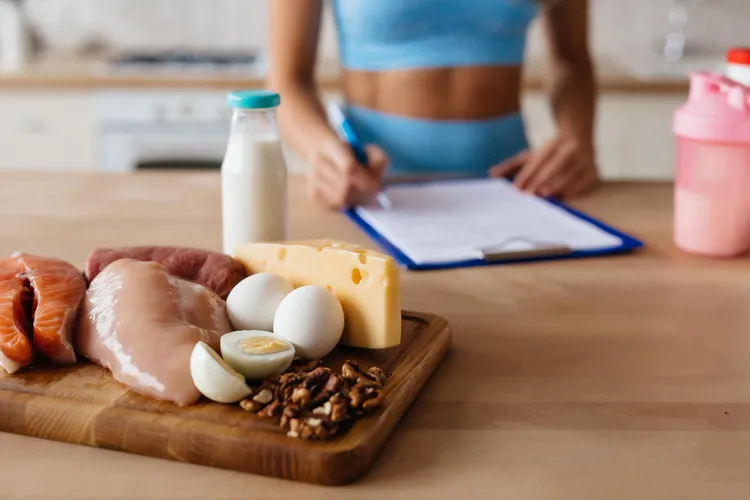
- Two proteins. One in the oven (chicken thighs or breast, or a sheet of salmon), one on the stovetop or in a slow cooker (ground turkey, ground beef, or a pot of beans for a plant-based option).
- One or two starches. Rice or quinoa in a rice cooker, potatoes roasted alongside the protein in the oven.
- One roasted vegetable, in bulk. Broccoli, green beans, or mixed vegetables on a second sheet pan.
- One or two sauces or seasoning blends made in five minutes, to keep the week from tasting identical every day.
That's it. More variety sounds appealing on Sunday and turns into wasted time and wasted food by Wednesday.
The 90-Minute Timeline
This assumes a standard kitchen: one oven, one or two stovetop burners, and either a rice cooker or a pot. The key is starting the slowest-cooking items first and layering faster tasks in around them.
- 0-10 minutes - set everything in motion. Preheat the oven. Season the oven protein and get it on a sheet pan. Start rice or quinoa in the rice cooker or on the stovetop. Get the oven protein into the oven the moment it's hot.
- 10-20 minutes - start the second protein. While the oven protein cooks, brown ground turkey or beef in a pan on the stovetop, or get a pot of beans simmering. Chop vegetables for roasting while this cooks, since it mostly runs unattended.
- 20-35 minutes - get the vegetables in. Toss the chopped vegetables with oil and seasoning, and add them to the oven on a second sheet pan (or swap them in once the first protein is close to done, depending on oven space). Stir the stovetop protein occasionally.
- 35-55 minutes - mostly hands-off. The oven is running two pans, the rice or grain is finishing, and the stovetop protein is close to done. Use this window to make a sauce or two, wash the cutting board, and pull out storage containers.
- 55-75 minutes - pull everything and portion. Remove items from the oven as they finish. Let proteins rest for a few minutes before portioning, since cutting into meat too early loses moisture and throws off both texture and weight.
- 75-90 minutes - divide into containers. Weigh the total batch of each component, then divide by the number of servings rather than weighing every single container from scratch. Portion faster-eaten items (protein) into more containers than slower ones if your week's meals aren't evenly split.
This timeline assumes a normal amount of multitasking, not perfect efficiency. Fifteen minutes of slack either direction is completely normal and doesn't mean the system failed.
Portioning for Macros Without Turning It Into a Math Project
The biggest time-waster in "macro-friendly" meal prep is weighing each container individually as you fill it, stopping and checking the scale eight separate times. There's a faster way: weigh the entire cooked batch of each component once, do the division by number of servings before you start portioning, and then just fill containers to that target weight without re-checking the math each time.
For example, if a batch of cooked chicken weighs 900g total and you're making 6 servings, each container gets 150g - a number you can set once and portion to repeatedly, rather than recalculating on the fly. If your week includes people with different targets (see our piece on meal planning when you and your partner eat differently), portion the higher-target person's containers first while the batch is freshest, then divide the remainder for the rest.
Setting your actual weekly targets before prep day, rather than guessing a round number, makes this whole step faster - you already know what 150g of chicken and 100g of rice needs to look like instead of figuring it out container by container.
Tools That Actually Save Time
- Two sheet pans. Running a protein and a vegetable in the oven at once, side by side, is the single biggest time saver in this whole system.
- A rice cooker or Instant Pot. Set it and forget it for a starch, freeing up a stovetop burner and your attention for something else.
- A kitchen scale, ideally one that tares. Weighing a component directly in the storage container and taring the scale to zero first is faster than weighing on a plate and transferring.
- Identical, stackable containers. Uniform containers store more efficiently in the fridge and make the portioning step faster since you're not hunting for the right size mid-prep.
Storage and Reheating Without Everything Tasting the Same
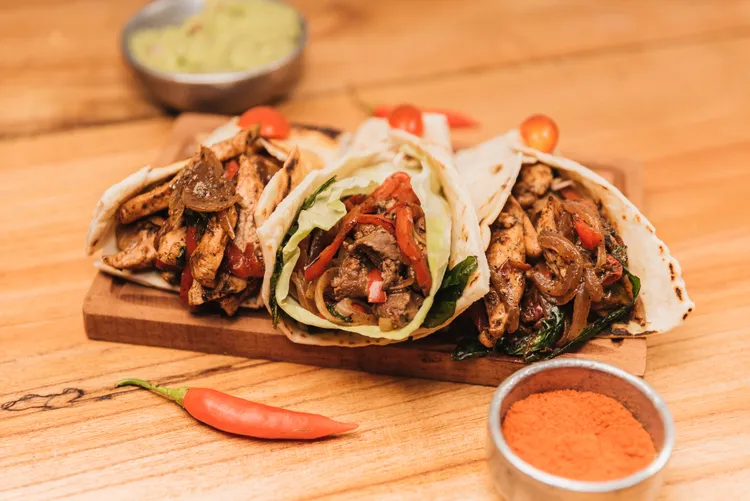
Store components separately rather than as fully assembled meals whenever possible - protein, starch, and vegetable in the same container tend to make the starch soggy by day three, since it absorbs moisture from everything around it. Separate containers reheat better and let you combine components differently through the week: a bowl one day, wrapped in a tortilla the next, tossed into a salad the day after that.
Cooked proteins and vegetables generally hold up well in the fridge for 4-5 days. If your week runs longer than that, freeze a portion of the batch on prep day rather than hoping the last day's portion is still good - reheating from frozen is far easier than salvaging food that's turned.
A Sample Week Built From This System
Here's what five components can turn into across a week without repeating the same plate twice:
- Monday: Oven chicken, rice, roasted broccoli, drizzled with one of the sauces.
- Tuesday: Ground turkey and beans over rice, topped with the second sauce.
- Wednesday: Chicken and roasted vegetables wrapped in a tortilla instead of a bowl.
- Thursday: A big salad built from greens, the ground turkey, and roasted vegetables, with a lighter dressing.
- Friday: Whatever protein is left, reheated with fresh-cooked eggs or a quick side to round it out, since batches rarely divide perfectly evenly across five days.
Nothing here requires new cooking mid-week. The variety comes entirely from recombining the same five components differently, which is the actual point of building prep around modular parts instead of five separate finished meals.
Adjusting Portions Mid-Week Without Re-Weighing Everything
Life doesn't always match Sunday's plan exactly - a workout gets skipped, a dinner out happens, hunger runs higher or lower than expected on a given day. Because everything is portioned as separate components rather than locked into fixed combined meals, adjusting is simple: add or skip a scoop of rice, take a bit more or less protein, without needing to recalculate or re-cook anything. This is one of the real advantages of component-based prep over prepping fully assembled meals - the plan stays flexible even after Sunday is over.
What to Cut If You're Short on Time
If 90 minutes genuinely isn't happening some weeks, cut in this order rather than skipping prep entirely:
- Drop the sauces first. Plain seasoned protein with salt, pepper, and a squeeze of lemon still works fine for a week; sauces are a flavor upgrade, not a requirement.
- Cut to one protein instead of two. Less variety across the week, but still fully macro-friendly and a fraction of the cooking time.
- Buy a pre-cooked starch or protein for one component. Pre-cooked rice pouches or a rotisserie chicken aren't cheating - they're a reasonable trade of a bit of cost for a meaningful chunk of time.
A simplified 45-minute version of this system beats a skipped prep day every time. The goal is having food ready during the week, not running the most elaborate version of the process.
Common First-Timer Mistakes
- Cutting the oven protein too soon after cooking. Resting it for even five minutes before slicing keeps juice in the meat instead of on the cutting board, which affects both taste and the accuracy of your weighed portions.
- Overcrowding the sheet pan. Vegetables piled too close together steam instead of roast, adding time and losing the texture that makes roasted vegetables actually appealing to eat all week.
- Prepping five different dishes on the first attempt. More variety sounds better on paper and consistently blows past 90 minutes. Stick to the five-component structure for the first few weeks before adding complexity.
- Not tasting and adjusting seasoning before portioning. A bland batch stays bland for the whole week. A minute spent tasting and adjusting salt or seasoning before dividing into containers pays off five separate times.
Your First Few Weeks Won't Take Exactly 90 Minutes
The timeline above assumes some practice - knowing your oven's actual cook times, having your containers ready, not stopping mid-prep to look up a recipe. The first couple of attempts will likely run closer to two hours, and that's normal, not a sign the system doesn't work. Prep day gets faster the same way anything repeated gets faster: through doing it, not through planning it perfectly in advance.
Latest