Fennel Fronds: What to Do With the Part You Usually Throw Away
A complete guide to fennel fronds - the feathery green tops most cooks throw away - covering how to store them and the recipes that put them to genuine use.
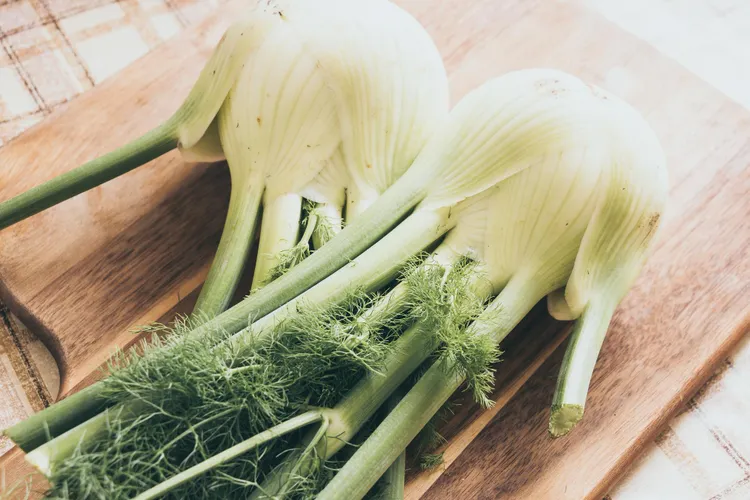
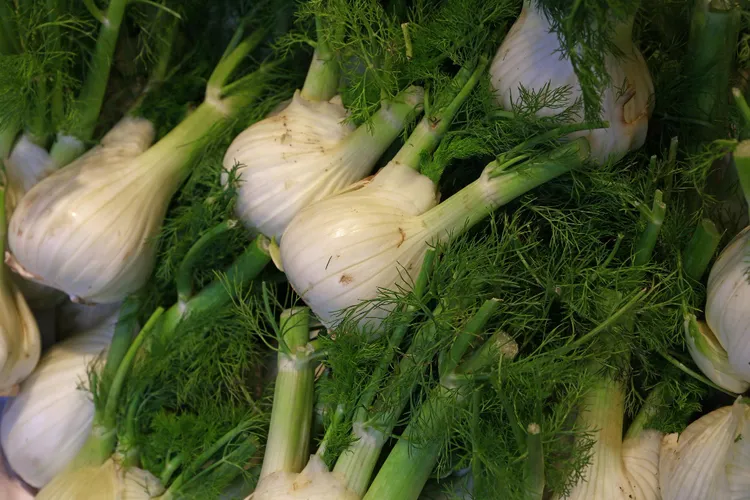
Most people buy a fennel bulb, cut off the wispy green fronds on top, and toss them straight in the bin without a second thought. That's a real waste - fennel fronds are edible, flavorful, and genuinely useful in the kitchen, not just a piece of packaging attached to the bulb you actually wanted.
What Fennel Fronds Actually Are
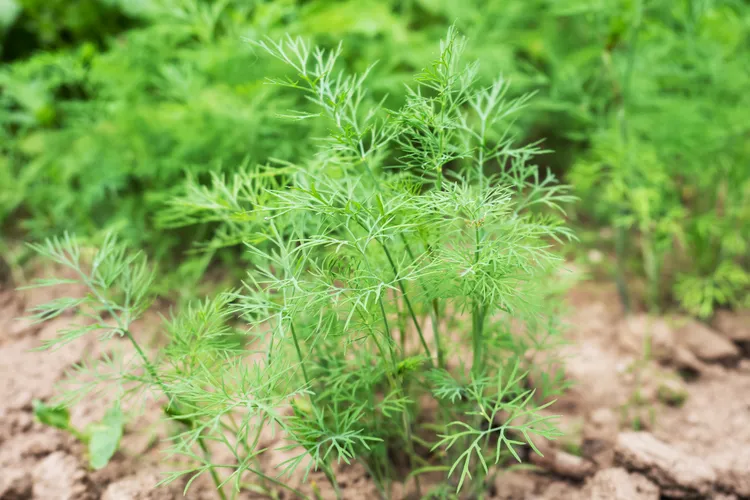
Fennel fronds are the feathery, dill-like green tops that grow out of the fennel bulb - the part that looks almost decorative and easy to dismiss as inedible trim. They have a milder version of the anise-sweet flavor found in the bulb itself, closer in intensity to fresh dill or tarragon than to the more concentrated flavor of fennel seed. That mildness is actually an advantage - fronds are easier to use generously than the bulb, which can turn overwhelming in large quantities.
If you've never paid much attention to them, our guide to what fennel fronds are covers the basics: what they taste like, how they differ from the bulb and stalks, and how to keep them fresh for a few extra days once you've brought a bulb home.
Why People Throw Them Away
Most grocery store recipes and even a lot of cookbooks focus entirely on the bulb, treating the fronds as an afterthought at best. Because fronds wilt faster than the bulb itself, they're also often already looking a little sad by the time a fennel bulb makes it out of the produce aisle and into a home kitchen, which doesn't help their case. But like herb stems and vegetable scraps generally, the instinct to toss them is more about habit than about them actually being unusable.
Growing Your Own for a Steady Frond Supply
If you find yourself using fronds regularly enough that a single store-bought bulb never seems to have enough, growing fennel at home is worth considering - a home-grown plant gives you a much larger, fresher supply of fronds than what comes attached to a supermarket bulb. Our growing guide covers the basics for growing fennel specifically with fronds in mind, not just the bulb.
Cooking With Fennel Fronds
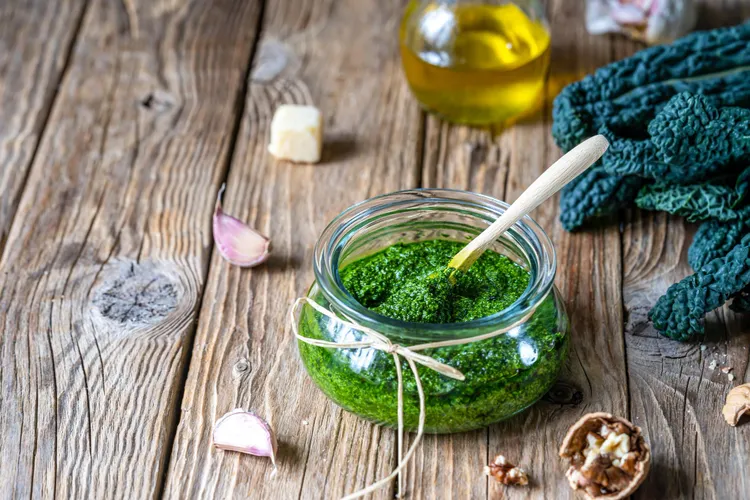
The most obvious and satisfying use for a surplus of fronds is fennel frond pesto - a direct swap for basil in a classic pesto that turns what would otherwise be kitchen waste into a genuinely good sauce for pasta, sandwiches, or roasted vegetables. It's the single best starting point if you're only going to try one thing from this guide.
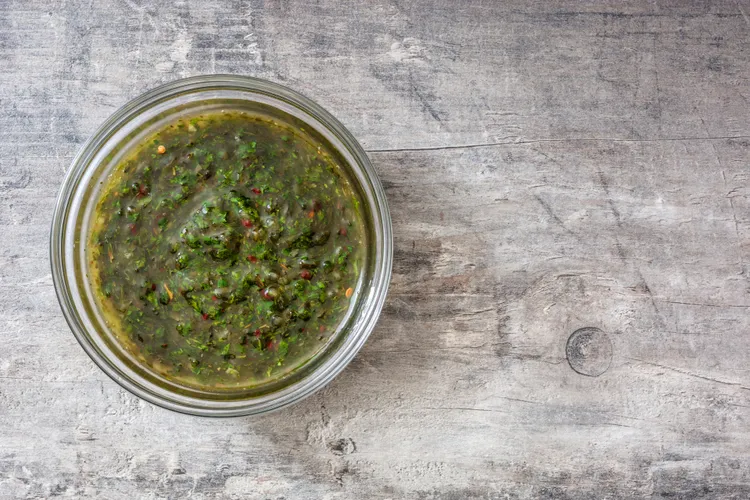
Beyond pesto, fronds blend well into a simple fennel frond oil, a bright, herbaceous oil for drizzling over soups, fish, or roasted vegetables. A similar idea, leaning more savory and garlicky, shows up in fennel frond chimichurri, an adapted version of the classic Argentine sauce that works especially well over grilled meat and fish.
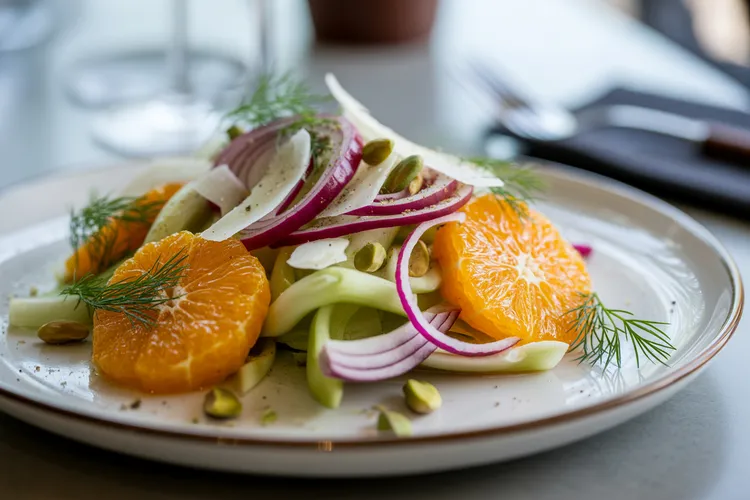
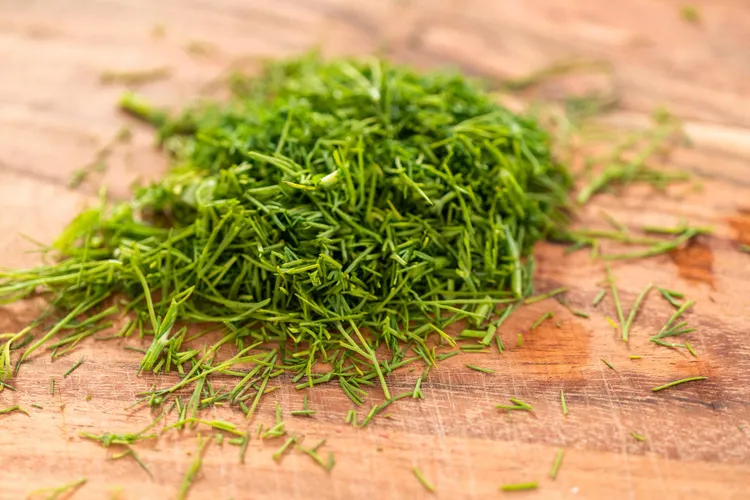
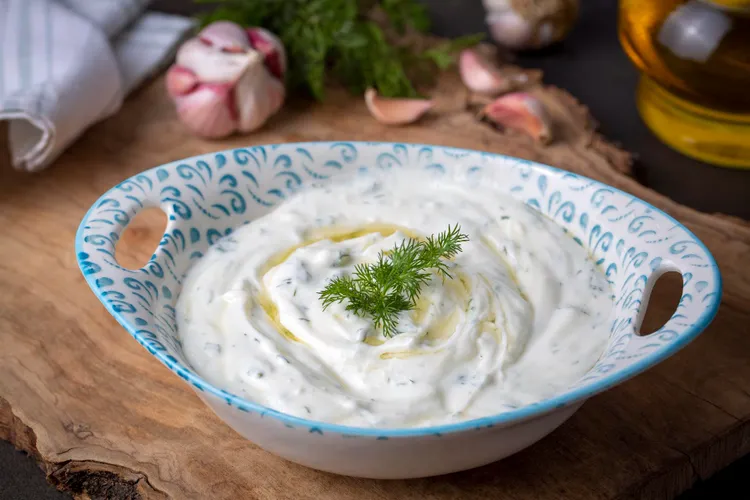
Fronds also work well as a fresh, leafy ingredient rather than just a chopped garnish. A fennel frond and citrus salad treats the fronds almost like a delicate salad green, and a fennel frond yogurt sauce takes advantage of their anise-adjacent flavor against a cooling, tangy base, similarly to how dill often gets used in yogurt-based sauces.
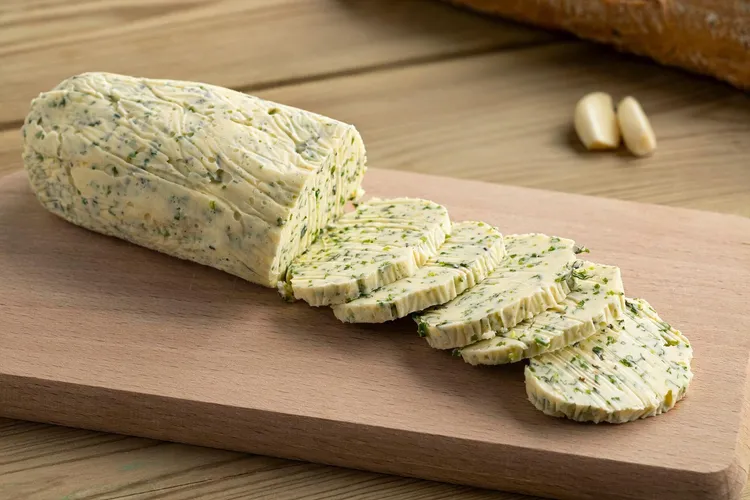
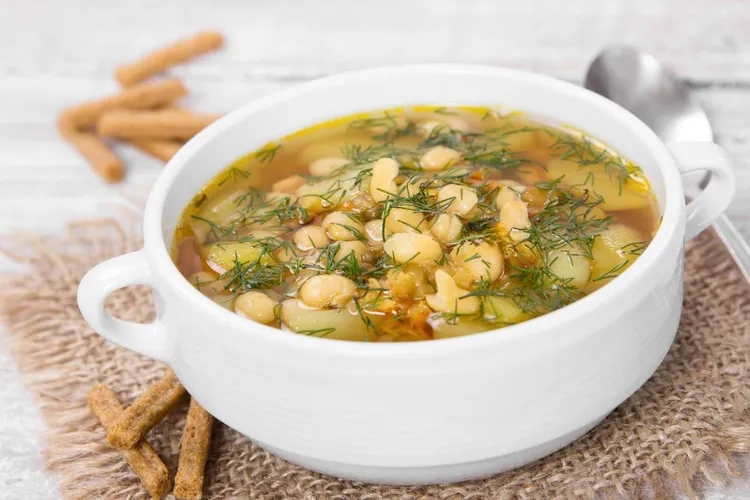
For something warmer, fennel frond and white bean soup stirs the fronds in toward the end of cooking, similar to how a more delicate herb gets added late to a long-cooked dish so its flavor doesn't disappear. And a fennel frond compound butter, built the same way as our tarragon and rosemary versions, is a good way to preserve a batch of fronds for later use across fish, chicken, or vegetables.
Fennel fronds also have a genuine functional use beyond cooking - fennel frond tea is a simple infusion with a long folk history as a digestive aid, similar in spirit to peppermint or ginger tea after a heavy meal.
If you're just looking for quick ways to use a small handful of fronds without a full recipe, our garnish ideas guide goes beyond the basic sprinkle-on-top approach most people default to.
Don't Forget the Stalks
Fronds aren't the only commonly discarded part of a fennel bulb - the tough stalks connecting the fronds to the bulb usually get cut away and binned too, even though they have real use in stocks and braises. Our guide to fennel stalks extends the same zero-waste thinking to that part of the plant.
If You're Out of Fennel Fronds
Because fronds taste similar to a handful of other feathery herbs, they also work as a substitute when you're out of something else - and the reverse is true too. Our substitution guide covers what to reach for if a recipe calls for fennel fronds and you don't have any, or what to use instead of dill or tarragon if fennel fronds happen to be what's on hand.
What to Pair With Fennel Fronds
Fronds pair naturally with fish, citrus, olive oil, garlic, and other feathery herbs like dill and tarragon, echoing a lot of the same pairings that show up across our other herb guides. Our pairing guide lays out the specifics, including where fronds fit and where a stronger flavor might be a better choice instead.
Why This Kind of Waste Happens So Easily
It's worth thinking for a second about why fennel fronds specifically end up in the bin so often, since the same reasoning applies to plenty of other ingredients worth rescuing. Most recipe writing is built entirely around the bulb - "fennel" in an ingredient list almost always means the bulb specifically, with no mention of what to do with the greenery still attached when you buy it whole. Grocery store fennel is also often pre-trimmed with the stalks and fronds already shortened or partially removed by the time it reaches the shelf, which reinforces the idea that the top growth is packaging rather than food. And because fronds wilt within days rather than weeks, there's a real time pressure that a sturdier vegetable scrap, like an onion skin saved for stock, doesn't have in the same way.
None of that makes the fronds any less usable - it just means using them takes a small, deliberate habit change rather than following a recipe's ingredient list exactly as written.
A Note on Flavor Compared to the Bulb and to Fennel Seed
It's worth being specific about how frond flavor compares to the other forms fennel commonly takes, since people sometimes assume "fennel flavor" is one fixed thing. Fennel seed is the most concentrated and assertive form, with a strong, almost licorice-like intensity that can quickly dominate a dish if overused - it's the form most associated with sausage seasoning and certain spice blends. The bulb sits in the middle: a clear, recognizable anise-sweet flavor with some real bite, especially when eaten raw, that mellows and sweetens considerably when roasted or braised. Fronds are the lightest and most delicate expression of that same flavor family, closer to a fresh herb than to a vegetable or spice, which is exactly why they slot so naturally into the same category as dill or tarragon rather than being treated as a byproduct of the bulb.
Common Mistakes to Avoid
The most common mistake is simply letting fronds sit in the fridge attached to the bulb rather than trimming them off right away - by the time you get around to using the bulb a few days later, the fronds have often wilted past the point of being worth saving. Trimming them the moment you get home and storing them the way you would a bunch of fresh herbs (see the storage guide for specifics) solves this almost entirely.
The second common mistake is treating fronds as an automatic substitute for the bulb in a recipe, rather than recognizing they're a much milder, more herb-like ingredient. A recipe that calls for a meaningful amount of fennel bulb for its texture and more concentrated flavor won't work with fronds swapped in - fronds are better used the way you'd use a fresh herb, not as a replacement for the vegetable itself.
A Note on Buying Fennel With Fronds in Mind
If you specifically want a good supply of fronds and not just the bulb, look for fennel bulbs sold with the stalks and fronds still fully attached and looking vibrant, rather than the more heavily trimmed bulbs sometimes sold separately. Farmers markets are often a better source for this than a standard grocery store, since farm-fresh fennel is less likely to have been trimmed down for shelf appeal before it reaches you. If you do end up with a bulb that's already had its fronds mostly removed, that's a reasonable signal to grow your own if this becomes something you want access to regularly - see the growing guide for how to get started.
A Simple Habit to Build
The easiest way to actually use fennel fronds, rather than continuing to toss them out of habit, is to trim them off the bulb as soon as you get home and store them separately, the way you'd treat a bunch of fresh herbs rather than vegetable trim. Once they're sitting in the fridge looking like an ingredient rather than a piece of packaging, they're far more likely to actually get used before they wilt.
Fennel fronds are a small example of a bigger idea worth applying more broadly in the kitchen - a lot of what gets treated as scraps is really just an under-appreciated ingredient waiting for the right recipe. Once you've made pesto or a quick yogurt sauce with fronds a couple of times, tossing them out starts to feel like the mistake it always was, rather than the default.
Latest