Malaysian Pantry Essentials: 15 Ingredients Every Recipe Needs
Malaysian cooking uses a short list of core ingredients that appear in almost every recipe. Get these fifteen items on your shelf and you can cook nasi lemak, rendang, laksa, and most other Malaysian dishes without a last-minute trip to a specialist shop.
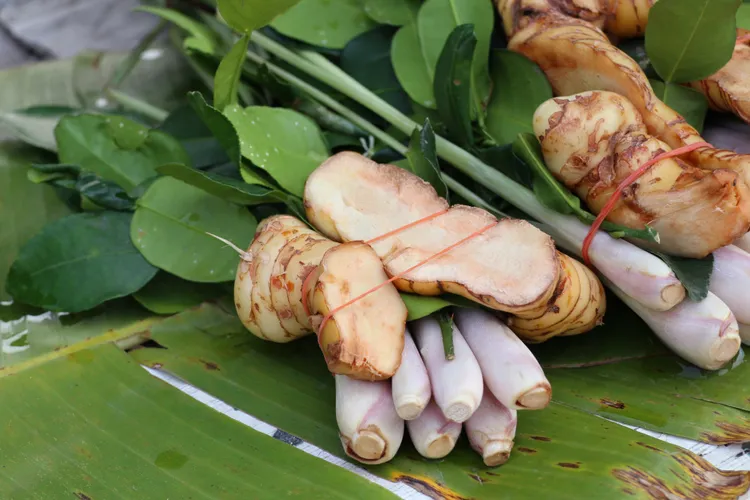
The main obstacle to cooking Malaysian food regularly isn't technique - it's pantry gaps. You start a recipe, hit "belacan" or "galangal" or "kaffir lime leaves," and stop. This guide covers every ingredient that comes up repeatedly, where to find it, how to store it, and what (if anything) works as a substitute. Some substitutes are fine; some change the dish significantly. That's noted below.
The Fifteen Core Ingredients
1. Belacan (Shrimp Paste)
A compressed block of fermented dried shrimp. Pungent raw, mellow once cooked. Used in rempah, sambal, and many sauces. Usually sold in 200g blocks at Asian grocery stores. Keeps indefinitely at room temperature; refrigerate after opening. Substitute: Thai shrimp paste (kapi) is close. Don't skip it in sambal - it's structural.
2. Galangal
A rhizome related to ginger but with a piney, medicinal, more citrus-forward flavour. Used in most Malaysian curry pastes. Available fresh, frozen, or dried. Fresh is best; frozen is acceptable; dried/powdered loses the brightness. Substitute: Ginger can replace it in a pinch, but the flavour profile shifts noticeably.
3. Lemongrass
Use fresh or frozen. Bruise with the back of a knife before adding whole to soups and curries. For rempah, use only the bottom 10cm (white part) and slice thin before blending. Dried lemongrass is not an adequate substitute. Storage: Freeze fresh stalks whole - they grate and slice fine from frozen.
4. Kaffir Lime Leaves
Doubled leaves with a distinctive citrus fragrance. Tear or slice thin before adding. Storage: Freeze fresh leaves in a zip-lock bag; they keep for 6 months and can be used straight from frozen. Substitute: Lime zest is the closest approximation but lacks the floral note.
5. Dried Red Chilies
The backbone of most Malaysian rempah. Soak in hot water for 20 minutes to rehydrate, then blend. Ancho or guajillo work as substitutes with slightly different heat levels. Adjust quantity to taste.
6. Coconut Milk
Full-fat, from a can. Avoid reduced-fat versions for cooking - they split more easily and lack richness. Refrigerate opened cans for up to 3 days or freeze in an ice cube tray for later use.
7. Tamarind
Sour, fruity, and distinct. Available as a block (dissolve in warm water, strain) or as a ready paste. The paste is convenient and consistent. Used in asam laksa, sambal, and many sauces.
8. Palm Sugar (Gula Melaka)
Dark, caramel-forward sweetness from coconut palm sap. Usually sold in rounds or cylinders. Grate or shave to use. Substitute: Dark brown sugar gives some of the molasses depth but the caramel notes are different.
9. Pandan Leaves
Long, green, with a sweet, grassy fragrance. Knotted and added to coconut rice, desserts, and some drinks. Storage: Freeze fresh leaves. Pandan extract works for baked goods and desserts. Substitute: Skip it if unavailable - the dish won't be ruined, just less fragrant.
10. Kecap Manis
Indonesian sweet soy sauce. Thick, dark, with a molasses sweetness. Used in nasi goreng, mee goreng, and marinades. Readily available at Asian grocery stores and many supermarkets. Substitute: Regular soy sauce + brown sugar (2:1 ratio, reduced slightly) is workable.
11. Hae Ko vs. Belacan
These are different things. Belacan is solid, used in cooking. Hae Ko is a thick, sweet prawn paste condiment served alongside asam laksa. Not interchangeable - don't confuse them when shopping.
12. Fish Sauce
The everyday salty-savoury liquid seasoning. Use Tiparos or any Thai/Vietnamese brand. Keeps indefinitely at room temperature. No adequate substitute for Malaysian cooking.
13. Dark Soy Sauce
Darker, thicker, and less salty than regular soy sauce. Adds colour and a slight molasses note to noodle dishes. Regular soy sauce is saltier - if substituting, use less and accept the dish will be lighter in colour.
14. Dried Anchovies (Ikan Bilis)
Small dried fish used in nasi lemak, fried as a garnish, and sometimes as a base for broth. Available in bags at Asian grocery stores. Store in an airtight container - they keep for months. Not the same as European anchovies in oil.
15. Candlenuts (Buah Keras)
Waxy nuts used in rempah for body and richness. Mildly toxic when raw - always cook them as part of the rempah frying process. Substitute: Macadamia nuts are the closest in texture and fat content. Cashews work in a pinch.
Where to Shop
Asian grocery stores (particularly those with Malaysian, Singaporean, or Indonesian stock) carry almost everything on this list. In larger cities, look for stores labelled "Asian" or "Oriental" rather than specifically Japanese or Korean, which stock different ranges. Online retailers like Sous Chef (UK), Wing Yip (UK), or most major Amazon marketplaces stock the harder-to-find items like belacan, galangal, and palm sugar.
Shelf Life at a Glance
- Room temperature, months to years: Belacan (sealed), dried chilies, dried anchovies, palm sugar, fish sauce, soy sauces, kecap manis, tamarind block, candlenuts
- Fridge, weeks: Tamarind paste, coconut milk (opened), kaffir lime leaves (fresh)
- Freezer, months: Lemongrass, kaffir lime leaves, pandan leaves, galangal, coconut milk (portioned in ice cube trays)
Once these are in place, most Malaysian dishes require only fresh protein and vegetables from a regular shop. For a practical starting point on what to cook first, see the Malaysian home cooking guide.
Latest