How to Make Pan Sauce: Turn Any Roast into a Restaurant Dish
A pan sauce is made from the browned bits left in the pan after cooking meat. Deglaze with wine or stock, reduce, finish with butter- five minutes of work that turns any roast or sear into something that tastes like a restaurant made it.
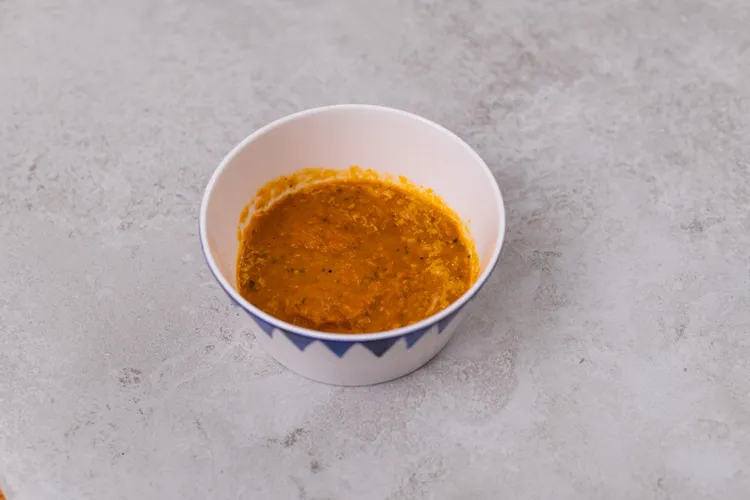
The fond - the dark, sticky residue left on the bottom of a pan after searing or roasting meat - is concentrated flavour. Most home cooks wash it away. Professional cooks treat it as the starting point for the sauce. Once you have made a pan sauce once, you will find it difficult to cook a piece of meat without making one.
The Three-Stage Method
Every pan sauce follows the same structure regardless of the protein or flavour direction: deglaze, reduce, finish. The protein and the liquid you choose change the character of the sauce, but the method stays the same.
Stage 1: Deglaze
After removing the cooked meat from the pan and setting it to rest, pour off most (not all) of the fat if the pan is very greasy. Leave the fond intact. With the pan over medium-high heat, add your deglazing liquid - wine, stock, cider, beer, or even water in an emergency. It will hiss and steam dramatically. Use a wooden spoon to scrape up all the browned bits from the bottom of the pan. They dissolve into the liquid almost immediately and this is the flavour base of your sauce.
Stage 2: Reduce
Once all the fond is dissolved, reduce the liquid over medium-high heat until it has thickened slightly and the alcohol from any wine has cooked off. How much you reduce depends on the starting volume and how intense you want the flavour - typically you want to reduce by about half to two-thirds. Taste as you go. Add aromatics here if using: a sprig of thyme, a crushed garlic clove, a tablespoon of Dijon mustard whisked in, a few capers.
Stage 3: Finish
Remove from the heat. Add cold butter - one to three tablespoons depending on the quantity of sauce - and swirl or whisk it in until melted and incorporated. This step is called monter au beurre in classical French cooking. The butter adds gloss, richness and a silky body that no other finish replicates. The sauce should look glossy and coat a spoon. Season with salt and pepper, strain if you want a cleaner result, and serve immediately.
Red Wine Pan Sauce (Full Recipe)
Ingredients
- 1 small shallot, finely minced
- 150ml red wine
- 150ml good beef or chicken stock
- 1 tsp tomato paste
- 1 sprig of thyme
- 2 tbsp cold unsalted butter, cut into cubes
- Salt and black pepper
- Pan from cooking steak or beef, with fond
Instructions
- Remove the cooked meat from the pan and set aside to rest. Pour off excess fat if needed, leaving a thin film and all of the fond.
- Over medium heat, add the shallot to the pan and cook in the residual fat for 1-2 minutes until softened.
- Add the tomato paste and stir for 30 seconds to caramelise it.
- Pour in the red wine and scrape up all the fond. Add the thyme sprig. Reduce over high heat until the wine is almost completely evaporated.
- Add the stock and reduce until the sauce is thick enough to coat the back of a spoon - about 5 minutes.
- Remove from the heat, fish out the thyme sprig, and add the cold butter cubes. Swirl the pan or whisk until the butter is fully incorporated and the sauce is glossy.
- Season with salt and pepper. Strain through a fine sieve for a cleaner sauce, or serve as is for a more rustic result.
Nutrition (per 2 tbsp serving)
- Calories: ~80 kcal
- Fat: 6g
- Carbs: 2g
- Protein: 1g
Choosing Your Deglazing Liquid
The liquid you deglaze with should match the protein and the direction of the dish. Red wine suits beef and lamb; white wine suits chicken, pork and fish; cider is excellent with pork; dark beer works with sausages and hearty braises; brandy or cognac suits chicken liver or a classic steak Diane. Stock alone works if you want a cleaner, more neutral sauce. The rule: if you would drink it with the dish, you can deglaze with it.
Pan Sauce Without Wine
Stock, water, the juice from a can of tomatoes, the liquid from a jar of roasted peppers - all work as deglazing liquids. A non-alcoholic pan sauce is slightly less complex but still dramatically better than serving the meat with nothing. Add a spoonful of mustard or a few drops of soy sauce to add depth if the sauce tastes flat.
The pan sauce technique is one of the foundations of home cooking confidence. Once it becomes automatic, you start looking at every piece of roasted or seared meat as half a sauce already made. For the full context of sauce-making techniques from emulsions to condiments, see the complete guide to homemade sauces and condiments.