How to Make a Classic French Vinaigrette (and 4 Variations)
The classic French vinaigrette is three parts oil to one part acid, plus an emulsifier and seasoning. Once you know the ratio, you stop buying bottled dressing entirely.
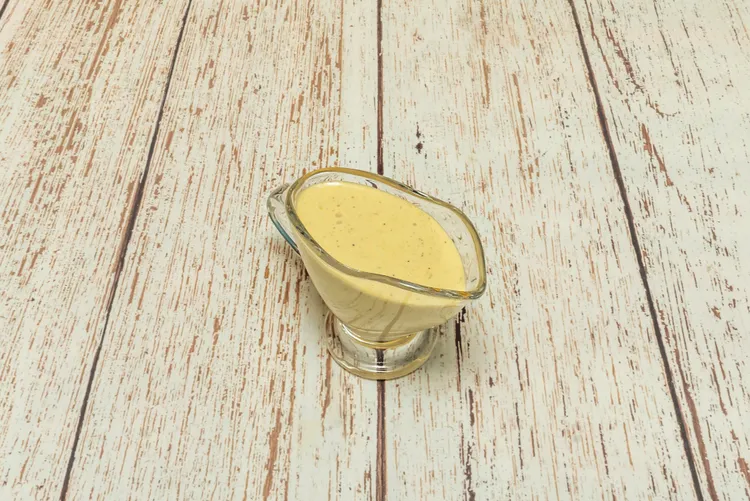
A vinaigrette is the fastest sauce you will ever make, and probably the one you will use most often. The 3:1 ratio - three parts oil to one part vinegar or lemon juice - is not arbitrary. Below that ratio the dressing tastes sharp; above it, flat. Get the ratio right, add an emulsifier, season properly, and everything else is variation.
What You Need to Know About Emulsification
Oil and water do not mix naturally - the molecules repel each other. An emulsifier contains molecules with one end that is attracted to fat and another attracted to water. Dijon mustard is the most practical emulsifier for a vinaigrette: it adds flavour and holds the dressing together long enough to coat the salad. Without it, a vinaigrette separates within a minute. With it, a well-made vinaigrette holds for several minutes in the bowl and indefinitely in a sealed jar in the fridge.
Classic French Vinaigrette
Ingredients
- 6 tbsp extra virgin olive oil
- 2 tbsp red wine vinegar
- 1 tsp Dijon mustard
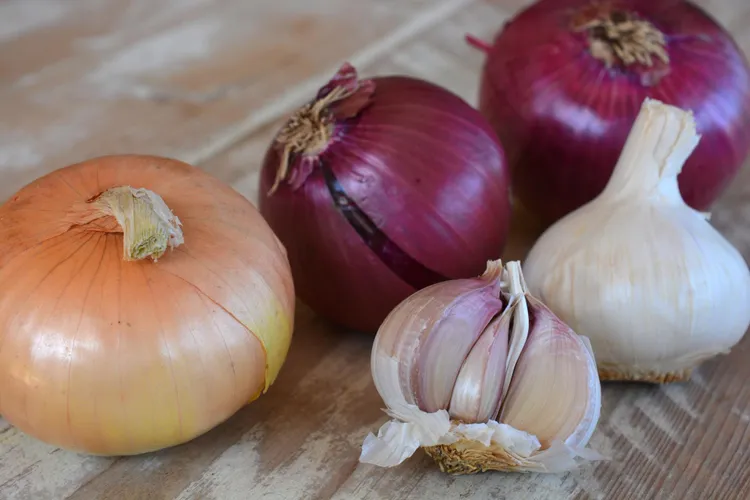
- 1 small garlic clove, finely grated or crushed
- Pinch of caster sugar
- Salt and black pepper to taste
Instructions
- Put the mustard, vinegar, garlic, sugar, a good pinch of salt and several grinds of pepper into a small jar or bowl.
- Whisk together until the salt dissolves and the mixture looks uniform.
- Add the olive oil in a slow, steady stream, whisking constantly. If using a jar, add the oil, seal the lid and shake vigorously for 30 seconds.
- Taste and adjust - more acid if it tastes flat, more oil if it tastes sharp, more salt if it tastes thin.
- Use immediately or refrigerate in a sealed jar for up to 2 weeks. Shake before use.
Nutrition (per 2 tbsp serving)
- Calories: ~160 kcal
- Fat: 18g
- Carbs: 0.5g
- Protein: 0g
4 Variations Worth Making
1. Honey Mustard Vinaigrette
Replace the sugar with 1 tsp of honey and increase the Dijon to 2 tsp. The honey adds viscosity as well as sweetness and makes the dressing cling to leaves more effectively. Good on bitter greens like radicchio or endive.
2. Shallot and Tarragon Vinaigrette
Add 1 finely minced shallot and 1 tbsp of finely chopped fresh tarragon. Let the shallot macerate in the vinegar for 10 minutes before adding the oil - this softens its raw bite and infuses the acid with its flavour. Classic with a simple green salad alongside grilled chicken.
3. Citrus Vinaigrette
Replace the red wine vinegar with the juice of one lemon and add 1 tsp of finely grated lemon zest. Brighter and fresher than the classic - good on fish, seafood or grain salads. Add a teaspoon of honey if the lemon is particularly sharp.
4. Red Wine and Oregano Vinaigrette
Add 1 tsp of dried oregano (or 1 tbsp fresh), a pinch of dried chilli flakes, and substitute half the olive oil with a lighter-flavoured oil. This is the dressing for a Greek salad, a fattoush, or anything with feta and tomatoes.
Tips for Getting It Right Every Time
The most common mistake is adding the oil too fast. If you pour it all in at once, it does not emulsify - it just sits on top of the acid. Go slowly, especially at the start. A squeeze bottle with a small nozzle makes this easy. The second most common mistake is under-seasoning: a vinaigrette needs more salt than you think because the oil dilutes it.
If your dressing tastes harsh, the vinegar is too prominent - add oil. If it tastes oily, add acid. If it tastes flat despite the right ratio, it needs more salt. Taste with a piece of the actual lettuce you are dressing, not with a spoon - the interaction between acid and leaf changes the perception significantly.
Storage
A vinaigrette keeps for up to 2 weeks in the fridge in a sealed jar. The olive oil will solidify when cold - take it out 15 minutes before you need it, or run the jar under warm water for a few seconds. Shake vigorously before use. For more on building a full sauce repertoire from scratch, see the complete guide to homemade sauces, dressings and condiments.