Romesco Sauce: The Spanish Condiment You'll Put on Everything
Romesco is a Catalan sauce of roasted peppers, tomatoes, almonds, garlic and olive oil. It is rich, smoky, slightly sharp and deeply flavoured - the kind of condiment that changes what is possible with a simple piece of fish or a plate of roasted vegetables.
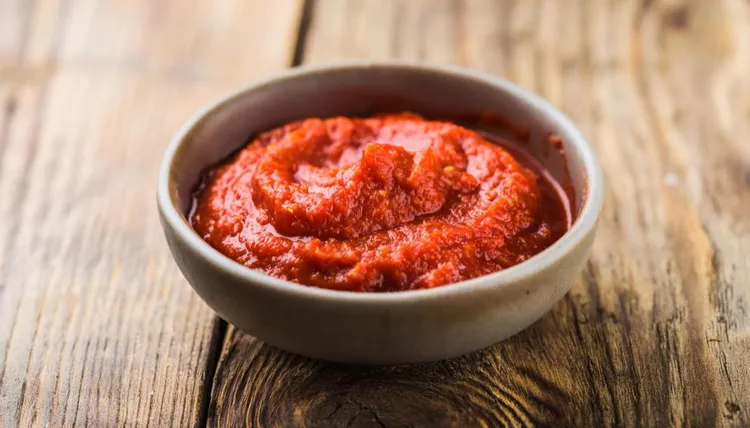
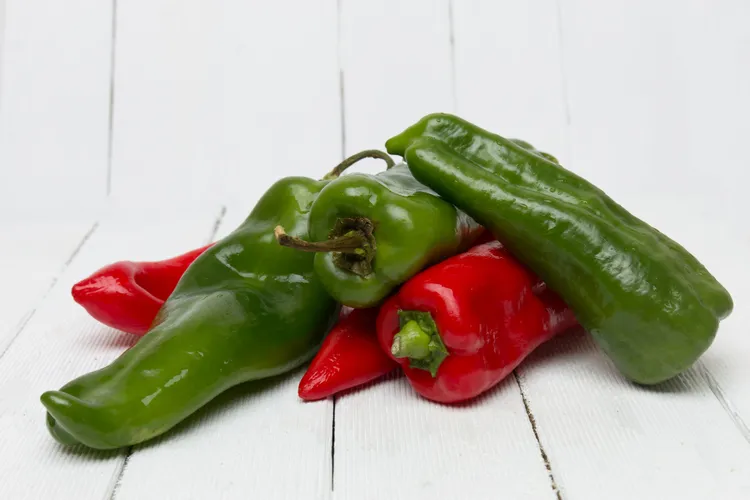
Romesco originated in the fishing communities around Tarragona in Catalonia, where it was made to serve alongside fish and seafood. The original contained nyora peppers - small, round dried peppers with a sweet, earthy, slightly smoky character - which are worth tracking down if you have access to a Spanish deli. For everyone else, a combination of roasted red peppers and smoked paprika gets remarkably close.
What Makes Romesco Different
Most Western condiments are built from fat, acid and aromatics. Romesco adds a fourth structural element: ground nuts. The almonds (sometimes hazelnuts, or a mix) give the sauce its body, its slight graininess, and a richness that makes it feel more substantial than a simple purée. The roasting of both the peppers and the tomatoes is not optional - it is where the characteristic depth of flavour comes from. Raw or unroasted versions taste flat by comparison.
Romesco Sauce
Ingredients
- 3 large red peppers
- 4 medium tomatoes, halved
- 6 garlic cloves, unpeeled
- 80g blanched almonds (or a mix of almonds and hazelnuts)
- 2 slices of stale white bread, crusts removed, torn
- 3 tbsp sherry vinegar (or red wine vinegar)
- 1 tsp smoked paprika
- 1 tsp sweet paprika
- Pinch of dried chilli flakes
- 100ml extra virgin olive oil
- Salt to taste
Instructions
- Preheat the oven to 220°C / 425°F. Place the whole red peppers, halved tomatoes and unpeeled garlic cloves on a baking tray. Drizzle with olive oil and roast for 30-35 minutes until the peppers are blistered and charred, the tomatoes are collapsed, and the garlic is soft.
- Transfer the peppers to a bowl, cover with cling film and leave for 15 minutes. The steam loosens the skins. Peel, remove the seeds and roughly chop. Squeeze the garlic from its skins.
- Toast the almonds in a dry frying pan over medium heat for 3-4 minutes until golden. Watch them - they burn quickly. Remove and set aside.
- In the same pan, fry the torn bread in a little olive oil until golden and crisp on both sides. This thickens the sauce and adds a toasted depth.
- Combine the roasted peppers, tomatoes, garlic, toasted almonds, fried bread, vinegar, both paprikas and chilli flakes in a food processor. Pulse until the mixture is roughly blended - you want texture, not a smooth purée.
- With the processor running, add the olive oil in a thin stream. Stop when the sauce is thick and just pourable. Taste and season with salt. Add more vinegar if it needs brightness, more paprika if it tastes flat.
Nutrition (per 2 tbsp serving)
- Calories: ~120 kcal
- Fat: 10g
- Carbs: 5g
- Protein: 2g
8 Ways to Use Romesco
Romesco is one of the most versatile condiments in the repertoire. Here is how to use it:
- Grilled fish: Spoon over white fish fillets - cod, sea bass, hake. The richness of the sauce balances the lightness of the fish.
- Roasted vegetables: Serve alongside a platter of roasted courgettes, aubergines, peppers and onions. Romesco is the traditional accompaniment to calçots - Catalan spring onions roasted over fire.
- Grilled chicken: Use as a sauce beneath or alongside boneless thighs or breast. The smokiness complements charred skin.
- Fried eggs: A spoonful of romesco beneath two fried eggs on toast is a complete and extremely good breakfast.
- Pasta: Toss with cooked pasta and a splash of pasta water for a quick sauce. Add some wilted greens and a fried egg for a full meal.
- Lamb: The combination of roasted peppers, almonds and smoked paprika is a natural partner for lamb chops or a roasted leg.
- Spread: Use as a sandwich spread instead of mayonnaise or mustard - particularly good with grilled vegetables and cheese.
- Dip: Serve at room temperature with raw vegetables, bread or crackers as part of a spread.
Storage
Romesco keeps in the fridge for up to one week in a sealed jar. It can also be frozen in small portions for up to three months - freeze in an ice cube tray and transfer to a bag once solid. The sauce often tastes better the next day after the flavours have had time to settle. For more essential condiments worth making at home, see the complete guide to homemade sauces, dressings and condiments.