The Best Mood-Boosting Breakfast Foods (and How to Cook Them)
Breakfast sets the neurochemical tone for your morning. These are the ingredients with the strongest evidence for mood support - and the simplest ways to cook them.
Most people reach for whatever's quick. But the first meal of the day has an outsized effect on neurotransmitter availability through the morning - and the gap between a high-protein breakfast with micronutrients and a refined-carb one shows up in focus, mood stability, and stress tolerance by 10am. None of the foods below require complicated cooking.
Eggs - The Most Complete Mood Food
Eggs contain tryptophan (serotonin precursor), tyrosine (dopamine precursor), choline (important for acetylcholine and cognitive function), B12, selenium, and a complete amino acid profile. Two eggs at breakfast covers roughly 25% of daily tryptophan needs and 40% of B12. Scrambled, poached, or baked - the method doesn't affect the nutrient content much.
For a portable version that covers the week, Egg, Spinach and Bacon Muffins take 25 minutes to batch-bake and store in the fridge for 5 days. Each muffin runs about 120 kcal and 10g protein. Make a dozen on Sunday and breakfast is handled.
The Egg and Cottage Cheese Omelet adds another tryptophan source (cottage cheese) and bumps the protein to around 30g per serving - useful if you're eating a late breakfast and need it to carry you through to a 2pm lunch. Around 320 kcal, quick to make.
For a minimal weekday option, Garlic Scrambled Eggs takes under 10 minutes and pairs well with whole-grain toast for the carbohydrate needed to help tryptophan cross the blood-brain barrier.
Oats - Slow Release, Serotonin Precursors, Prebiotic Fibre
Oats do three useful things for mood: they provide tryptophan, they supply beta-glucan (a prebiotic fibre that feeds the gut bacteria involved in serotonin production), and their slow carbohydrate release avoids the glucose crash that follows refined-carb breakfasts. A 50g serving of oats gives roughly 60mg tryptophan - modest, but cumulative across the day.
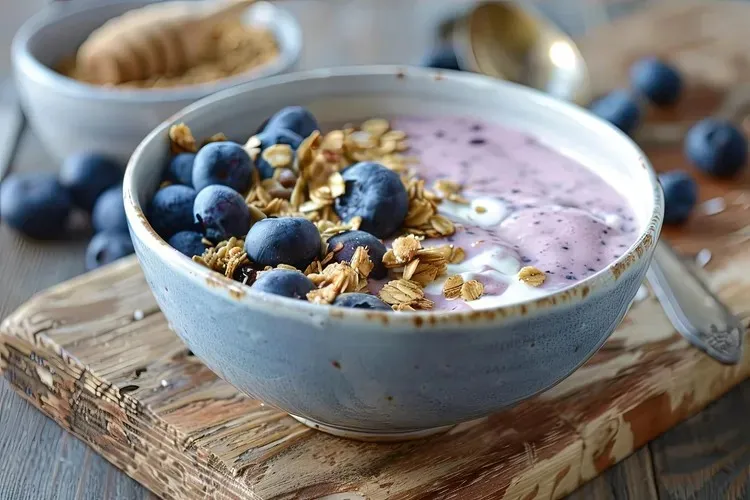
The easiest version is overnight oats. Blueberry Chia Seed Overnight Oatmeal combines oats with Greek yogurt (probiotics), chia seeds (ALA omega-3), and blueberries (anthocyanins, antioxidants). Prepare it in a jar the night before - breakfast literally requires no morning effort. Around 350 kcal, 14g protein.
For a hot version, Cinnamon Honey Oatmeal is simple and takes 7 minutes. Add a tablespoon of pumpkin seeds on top to hit a useful dose of magnesium (about 75mg per 15g of seeds). Cinnamon helps regulate blood sugar response, which matters for mood stability.
Berries - Antioxidants and Inflammation
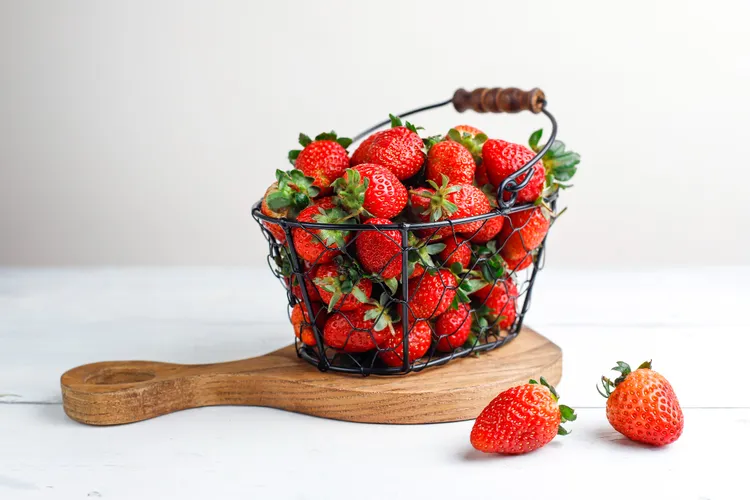
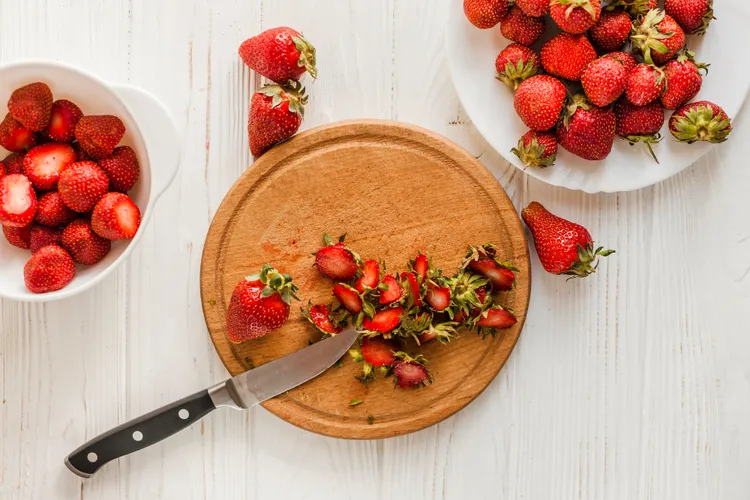
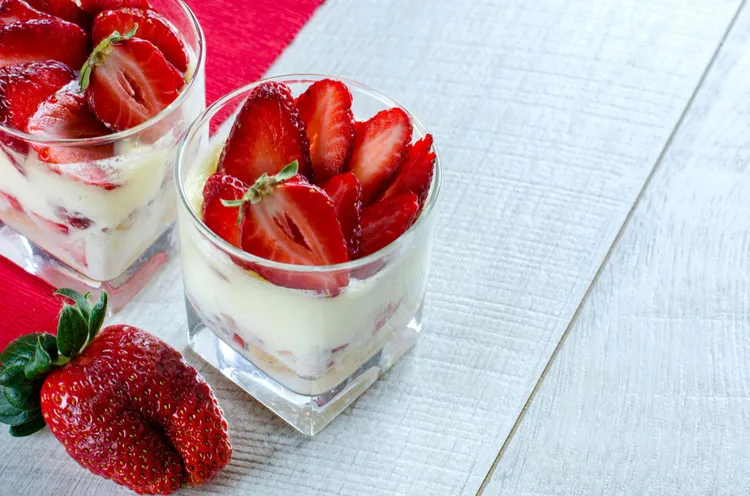
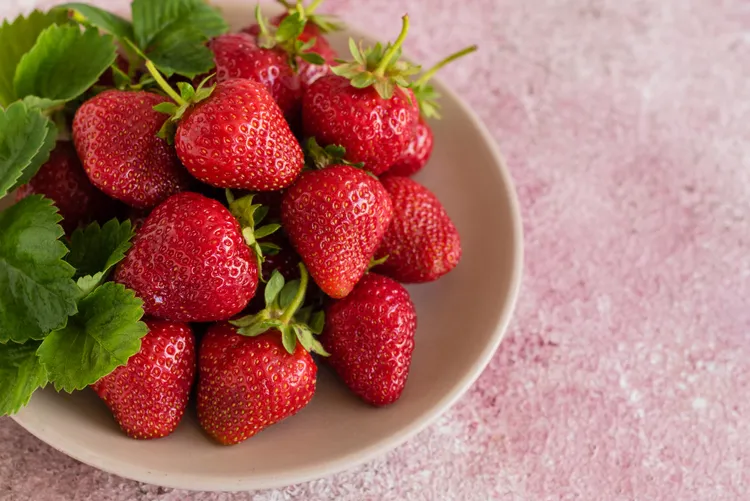
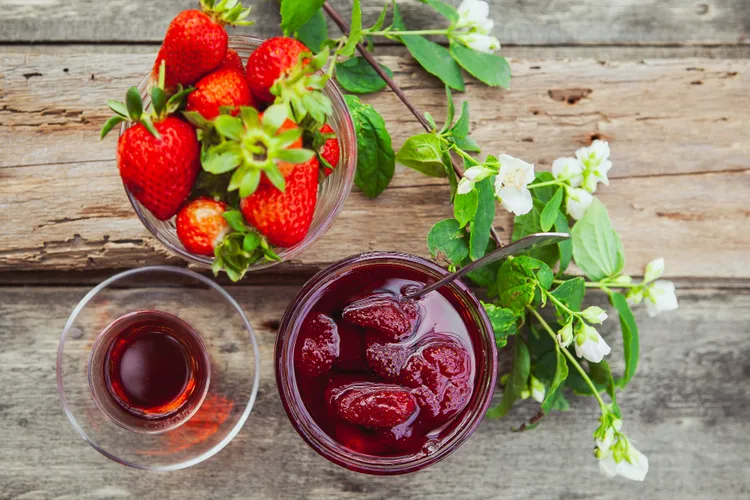
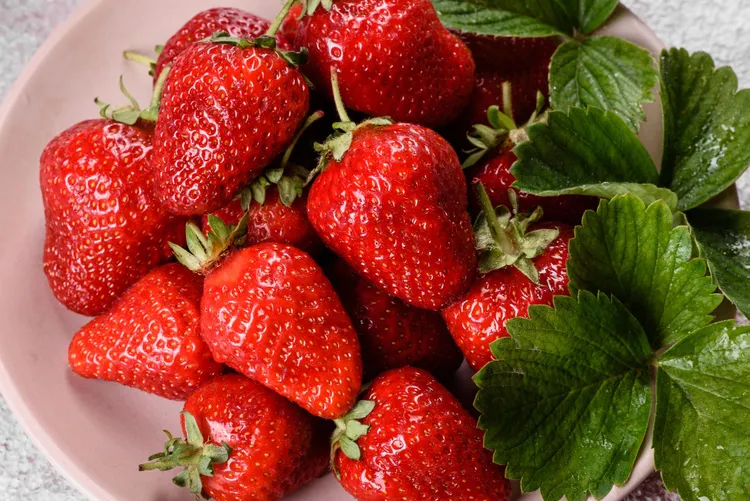
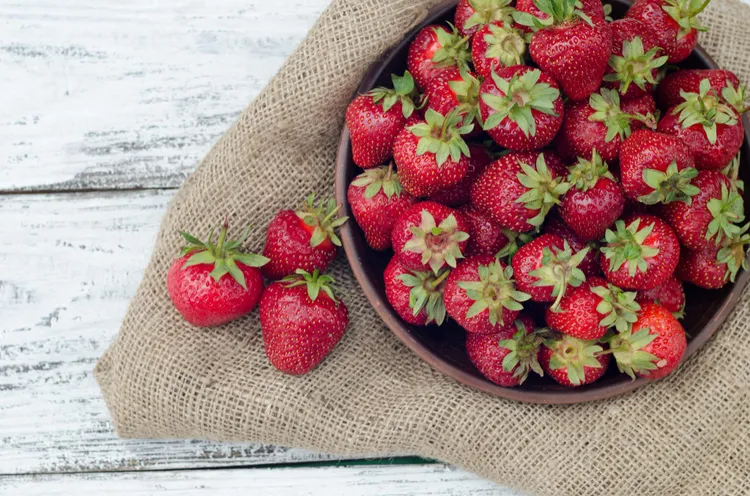
Chronic inflammation is one of the proposed mechanisms linking poor diet to depression. Berries - especially blueberries, strawberries, and raspberries - are among the most antioxidant-dense foods available and have shown direct effects on cognitive function and mood in several studies. The mechanism likely involves reducing oxidative stress and neuroinflammation.
Blueberries on oats or yogurt is the simplest application. Frozen berries are nutritionally equivalent to fresh and considerably cheaper - worth keeping a bag in the freezer for the days when fresh isn't practical.
Dark Chocolate (Yes, at Breakfast)
A square or two of 70%+ dark chocolate contains magnesium, theobromine (a mild stimulant), and small amounts of tryptophan. It also triggers dopamine release through palatability - which is a real mechanism, not just an excuse. Adding a couple of squares to oatmeal or blending into a morning shake is a legitimate mood-support strategy. The Oatmeal Banana Peanut Butter Chocolate Shake is built around exactly this - oats, banana (B6, tryptophan), peanut butter (protein, healthy fats), and dark chocolate. Around 500 kcal and 30g protein - more of a breakfast replacement than an add-on.
Banana - B6 and the Tryptophan Transport Mechanism
Bananas deserve a mention not just for their tryptophan content (modest) but for their B6 and carbohydrate profile. B6 is a cofactor in the conversion of tryptophan to serotonin - without enough of it, the conversion pathway runs slow. The moderate carbohydrate in a banana also helps trigger insulin, which clears competing amino acids from the bloodstream and improves tryptophan's access to the brain. Sliced banana on Honey-Sweetened Cottage Cheese Toast covers both mechanisms - B6 from the banana, tryptophan from the cottage cheese, carbohydrate from the bread.
What to Avoid First Thing
High-sugar cereals, pastries, and white toast with jam spike glucose quickly and crash it within 90 minutes. That crash correlates with irritability, difficulty concentrating, and low energy - symptoms that look a lot like mood problems. It's not that these foods are forbidden; it's that they're the worst version of a meal that could otherwise be actively supporting your neurochemistry. Replacing one with an egg-based breakfast takes about the same time and tastes just as good.
For the broader picture on how specific nutrients support mood throughout the day - not just at breakfast - see the complete Dopamine Food guide.
Disclaimer: This article is for informational purposes only and does not constitute medical or nutritional advice. It is not intended to diagnose, treat, cure, or prevent any condition. Always consult a qualified healthcare professional or registered dietitian before making changes to your diet, especially if you have a medical condition or are managing a mental health concern.
Latest