What to Do With Leftover Oat Pulp (Don't Throw It Out)
Practical ways to use the leftover oat pulp from making homemade oat milk, from baking to energy bites to homemade veggie burgers.
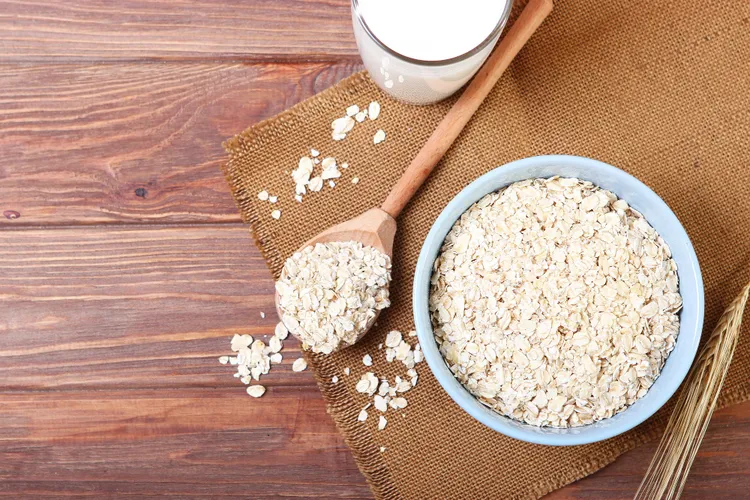
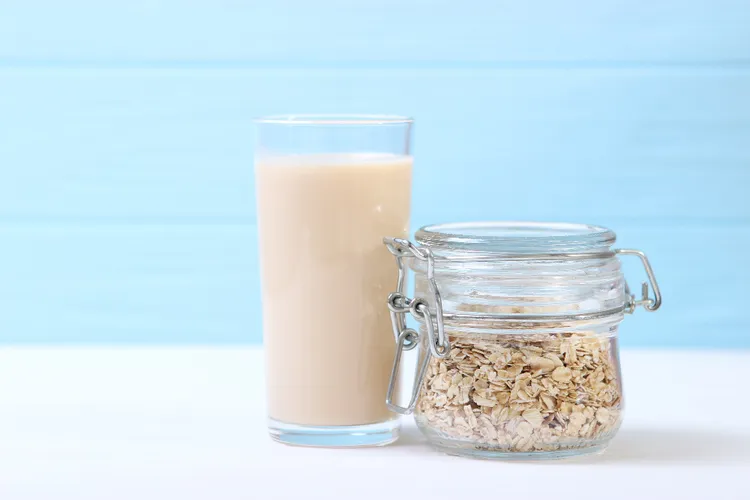
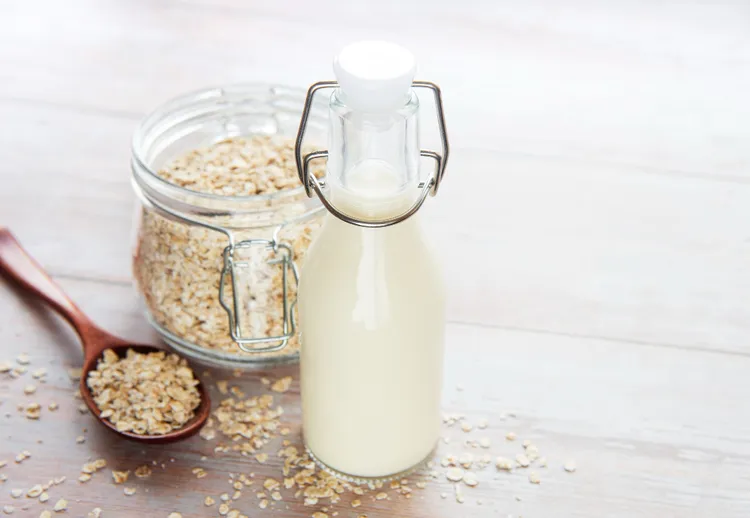
Making oat milk at home leaves behind a fair amount of soft, blended oat pulp once the liquid is strained out - and it's genuinely useful rather than something to toss straight in the compost or trash.
Use It in Baking
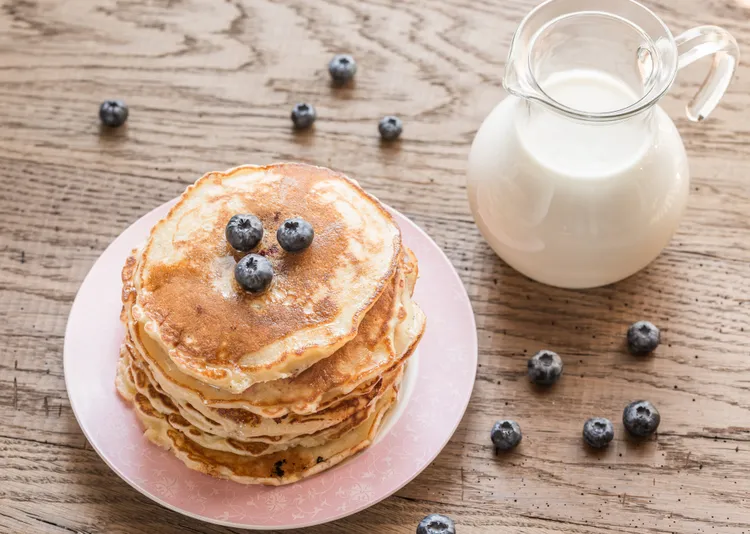
Leftover oat pulp can be folded into muffin, pancake, or quick bread batter, adding fiber and a subtle oat flavor along with a bit of extra moisture. Start by substituting up to about a quarter of the flour by volume with pulp, adjusting the liquid in the recipe slightly if the batter seems too wet.
Make Oat Pulp Crackers or Flatbread
Mixed with a bit of flour, oil, and seasoning, oat pulp can be pressed thin and baked into simple crackers or a flatbread. This is a good way to use up a larger quantity of pulp at once, particularly if you're making oat milk regularly.
Add It to Oatmeal
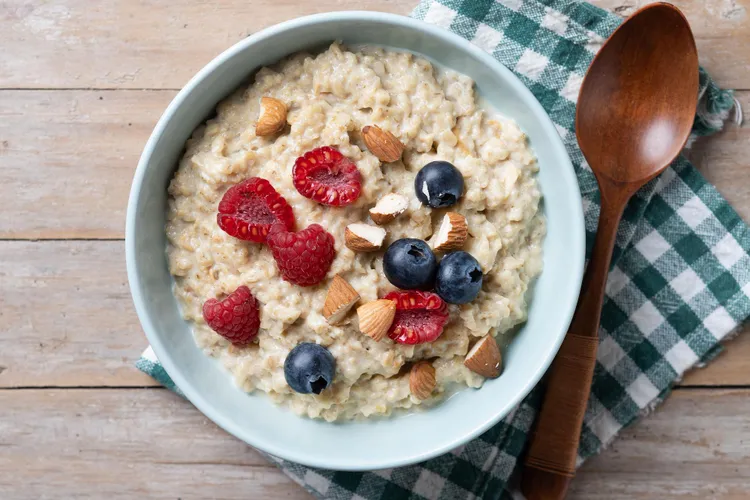
Since the pulp is essentially oats that have already been broken down and had some of their starch extracted, stirring it into a pot of regular cooked oatmeal is a natural, low-effort way to use it without needing a separate recipe at all.
Use It in Smoothies
A spoonful or two of oat pulp blended into a smoothie adds fiber and a bit of body without much noticeable flavor change, similar to how you might add plain oats to a smoothie for a heartier texture.
Make Oat Pulp Energy Bites
Mixed with nut butter, a bit of honey or maple syrup, and mix-ins like chocolate chips or dried fruit, oat pulp works as a base for simple no-bake energy bites, rolled into balls and chilled until firm.
Add It to Homemade Veggie Burgers or Meatballs
Oat pulp works similarly to breadcrumbs as a binder in veggie burgers or meatballs, adding structure without much flavor of its own to compete with the other ingredients.
Freeze It for Later
If you don't have an immediate use for the pulp, it freezes well in a sealed bag or container for up to 3 months, ready to thaw and use in any of the applications above whenever you actually need it.
A Practical Note on Texture
Oat pulp is quite wet straight out of the strainer - for most baking applications, squeezing out excess moisture in a clean towel first, similar to how you'd handle grated zucchini before adding it to a batter, gives a more predictable result than adding it directly without draining further.
Between all of these options, there's very little reason to let oat pulp go to waste. For the full range of oat milk recipes, see the complete oat milk guide.
Latest