Oat Milk Substitutes and Swaps for Baking and Cooking
A practical guide to substituting oat milk in recipes, where it works as a clean 1:1 swap, and where a different plant milk might serve better.
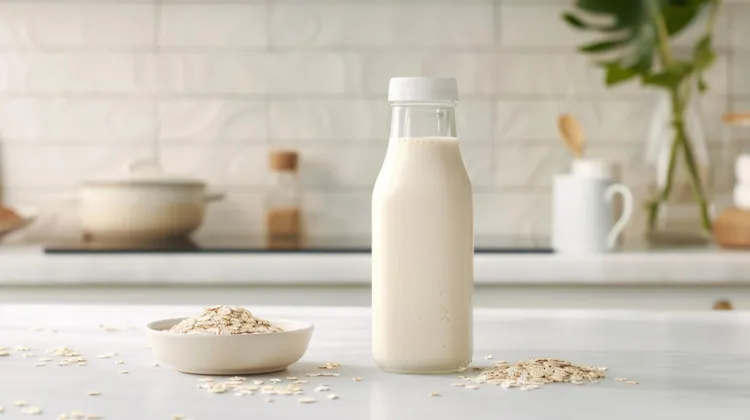
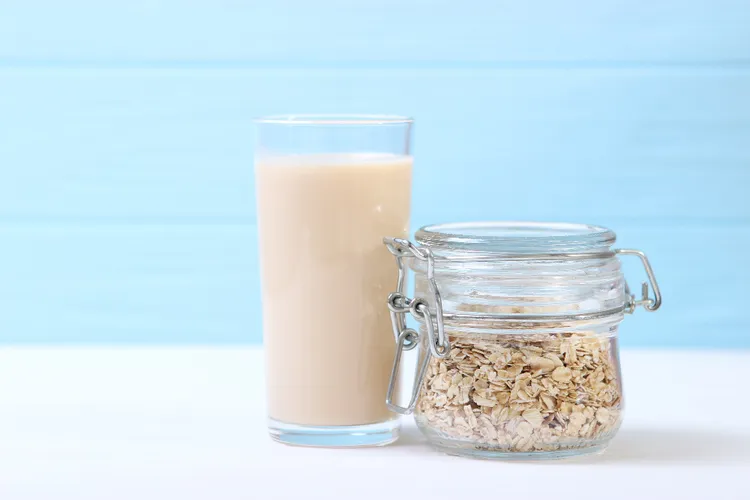
Oat milk is one of the more flexible plant milks to substitute into existing recipes thanks to its mild flavor and creamy texture, but it's not a perfect 1:1 replacement in every context - knowing where it works well and where another option might serve better makes for more predictable results.
Where Oat Milk Substitutes Cleanly
- Coffee and tea drinks: Oat milk's creaminess and mild flavor make it one of the best plant milks for coffee specifically, provided you're aware of the splitting issue covered in our explainer.
- Baking (pancakes, muffins, quick breads): Works as a genuine 1:1 substitute for dairy milk in most baking, as shown in our oat milk pancakes.
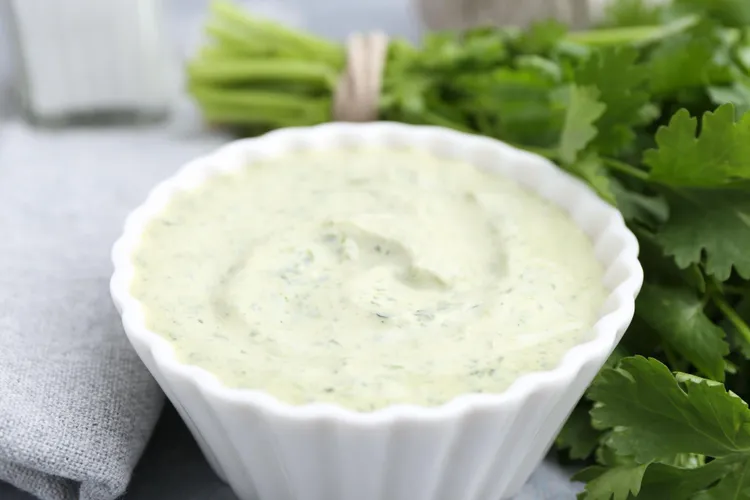
- Savory sauces and dressings: Its mild flavor doesn't compete with herbs, garlic, or other seasonings, as in our ranch dressing.
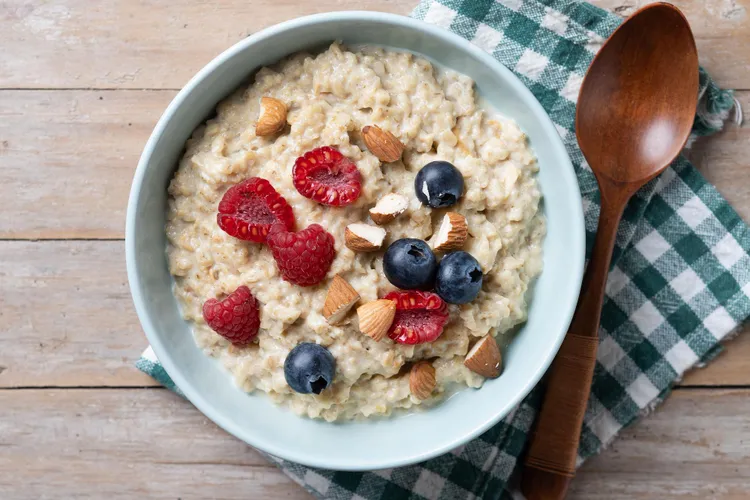
- Cereal and oatmeal: A natural, flavor-appropriate pairing.
Where a Different Milk Might Work Better
- Whipping into whipped cream: Oat milk doesn't whip into stiff peaks the way full-fat coconut cream does; if a recipe specifically needs a whippable dairy-free cream, coconut cream is generally the better choice.
- Very high-heat, long-simmered sauces: Because of oat milk's starch content, it can behave a bit differently than a starch-free nut milk (like almond) in a sauce that's reduced significantly over high heat - almond or soy milk may give more predictable results in that specific context.
- Recipes needing a completely neutral, thin liquid: Oat milk's natural creaminess and mild sweetness can be a bit much in a recipe genuinely wanting a thin, flavorless liquid; water or a very diluted nut milk might be the better fit.
Substituting Other Plant Milks for Oat Milk
If a recipe calls for oat milk and you don't have any, the closest substitutes in terms of texture and mildness are soy milk (slightly more protein-forward but similarly neutral) or a full-fat coconut milk diluted with water (creamy, though with more distinct coconut flavor). Almond milk works in a pinch but is noticeably thinner and less creamy, which may affect texture in baking or coffee specifically.
Adjusting for Sweetened vs. Unsweetened
Many store-bought oat milks are lightly sweetened by default, while a homemade batch (see our base recipe) can be made either way. If substituting a sweetened oat milk into a savory recipe, or an unsweetened one into a recipe expecting some inherent sweetness, adjust the recipe's own sugar or salt slightly to compensate.
A Quick Reference
- Coffee: Oat milk works well; use barista-style for best results
- Baking: Oat milk is a reliable 1:1 substitute
- Savory sauces: Oat milk works well thanks to its mild flavor
- Whipped cream: Coconut cream is the better choice
- Neutral, thin liquid needed: Consider almond milk or water instead
For the full range of what oat milk does well, see the complete oat milk guide.
Latest