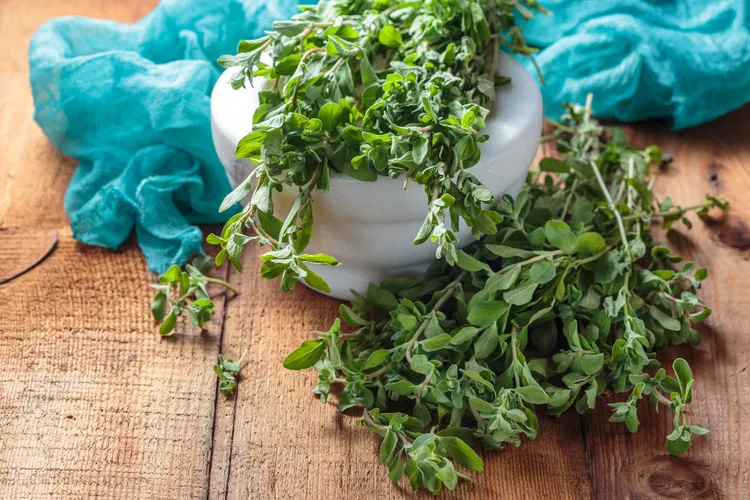
Oregano and Feta Recipes: Dips, Bakes, and More
Oregano and feta are a classic Greek pairing. Recipes include a whipped feta dip, a baked feta, and a stuffed pepper dish.
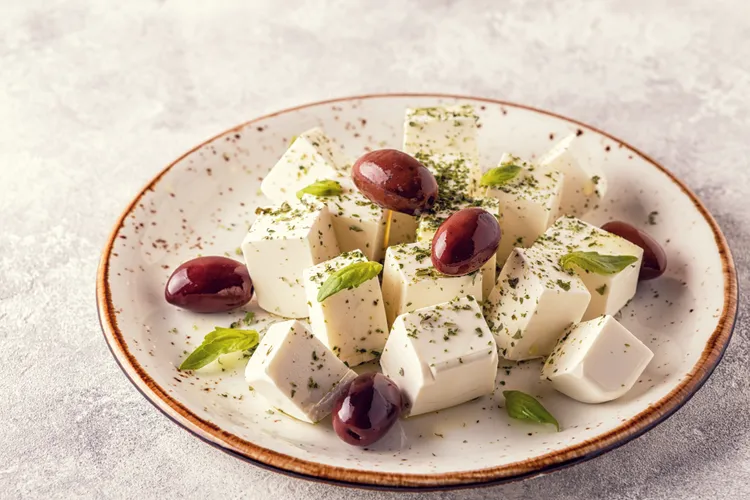
Feta's salty, tangy sharpness and oregano's earthy boldness balance each other in a way that shows up across a whole category of Greek and Greek-inspired dishes, well beyond a simple crumble on top of a salad.
Whipped Feta and Oregano Dip
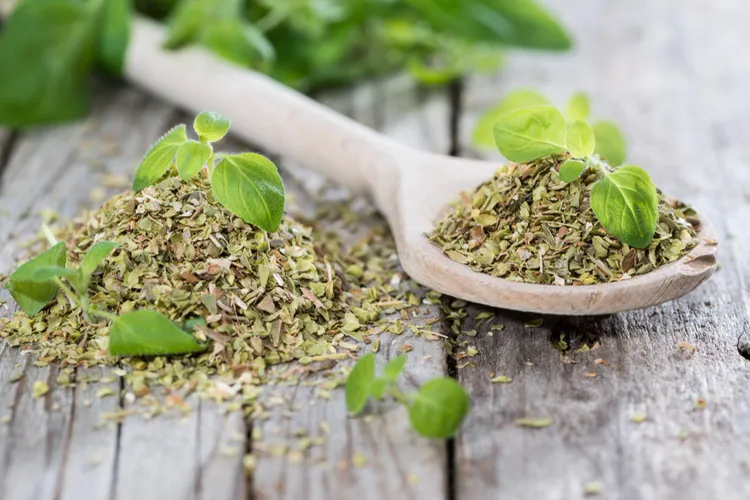
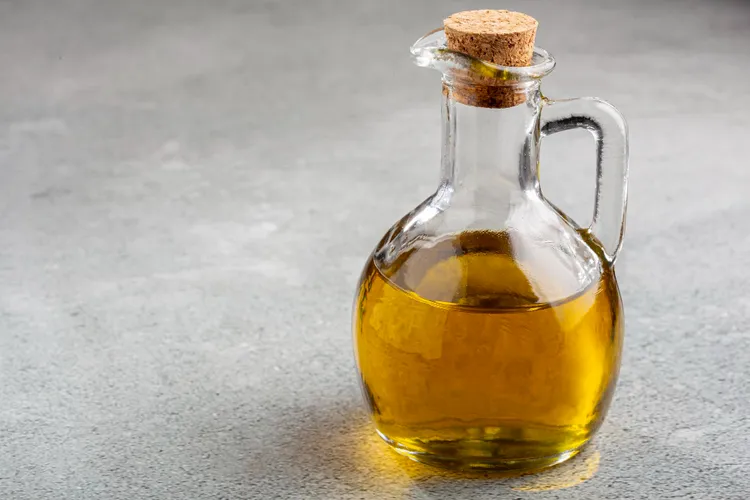
Blend 8 ounces feta with 1/4 cup Greek yogurt or cream cheese, 2 tablespoons olive oil, 1 clove garlic, and 1 teaspoon dried oregano until smooth and creamy. Top with a drizzle of good olive oil and an extra pinch of oregano before serving. Serve with pita, crackers, or raw vegetables. This comes together in about 5 minutes and holds up well as a make-ahead appetizer.
Baked Feta With Oregano and Honey
Place a block of feta in a small baking dish, drizzle with olive oil, sprinkle generously with dried oregano, and add a scattering of cherry tomatoes around it. Bake at 400°F (200°C) for 15 to 20 minutes until the feta softens and the tomatoes blister. Finish with a light drizzle of honey and an extra pinch of oregano. Serve with crusty bread for scooping. The combination of oregano's savory boldness against a touch of honey's sweetness is a distinctive, well-loved contrast.
Oregano and Feta Stuffed Peppers
Combine cooked rice, crumbled feta, chopped fresh herbs, and 1 teaspoon dried oregano, and stuff the mixture into halved bell peppers. Drizzle with olive oil and bake at 375°F (190°C) for 25 to 30 minutes until the peppers are tender. This works well as a vegetarian main course or a side dish alongside grilled meat.
Feta and Oregano Flatbread
Spread a simple flatbread or pizza dough base with olive oil, scatter crumbled feta and a generous sprinkle of dried oregano over the top, and bake at 425°F (220°C) for 10 to 12 minutes until the edges are golden and the feta is warmed through and slightly softened. A finishing drizzle of oregano oil (see Oregano Oil) after baking adds an extra layer of flavor.
Marinated Feta With Oregano
Cube feta and cover with olive oil, a few smashed garlic cloves, 1 to 2 teaspoons dried oregano, and a few black peppercorns. Let marinate refrigerated for at least a day, ideally two to three, before serving as part of an appetizer spread. The oregano-infused oil left over after the feta is gone is also worth saving for drizzling over other dishes.
Choosing Feta for These Recipes
A block-style feta stored in brine holds its shape and flavor noticeably better than a pre-crumbled feta sold in a plastic tub, particularly for the baked and marinated applications where texture matters more. Sheep's milk or a sheep-and-goat blend feta tends to have a more traditional, tangier flavor than a pure cow's milk version, though any type works reasonably well across these recipes.
Pairing These Dishes Together
Several of these recipes work well served alongside each other as part of a larger Greek-inspired spread, the whipped dip, the marinated feta, and the flatbread in particular make for a natural appetizer trio that shares ingredients and prep techniques, making a single cooking session efficient for a gathering.
Common Mistakes
- Under-seasoning the feta. Feta's saltiness can make it easy to assume a dish needs less additional seasoning than it actually does; oregano's boldness is what balances feta's tang, so don't be shy with it.
- Using a low-quality, overly wet feta. A drier, block-style feta holds up better in baked and marinated applications than a pre-crumbled, wetter feta, which can make dishes soggier than intended.
- Skipping the marinating time for the marinated feta recipe. The flavor genuinely improves with time; a rushed marinating period misses most of the point of the dish.
- Overbaking the baked feta. Past a certain point, baked feta can turn rubbery rather than staying soft and spreadable; watch closely in the last few minutes and pull it as soon as it's softened through.
Frequently Asked Questions
Can I use fresh oregano in these recipes instead of dried?
For the baked and marinated applications, dried is generally preferred for its bolder flavor and better heat tolerance; fresh works well as a finishing garnish on the dip or stuffed peppers after cooking.
What's the best feta for these recipes?
A block-style feta stored in brine, rather than pre-crumbled feta in a plastic tub, generally has better flavor and texture across all of these applications.
Can these recipes be made ahead for a gathering?
The whipped dip and marinated feta both hold up well made a day or two ahead; the baked feta and stuffed peppers are best made closer to serving time for the best texture.
Can I use the marinated feta oil for anything besides drizzling on the feta itself?
Yes, the oregano and garlic-infused oil left behind after the feta is used up works well as a salad dressing base or drizzled over roasted vegetables, similar to the infused oil covered in Oregano Oil.
Keep a block of feta and a jar of good dried oregano on hand as a reliable, low-effort appetizer option; several of these recipes come together in under 20 minutes, making them an easy addition to a weekly meal plan when unexpected guests or a quick starter are needed.
Latest