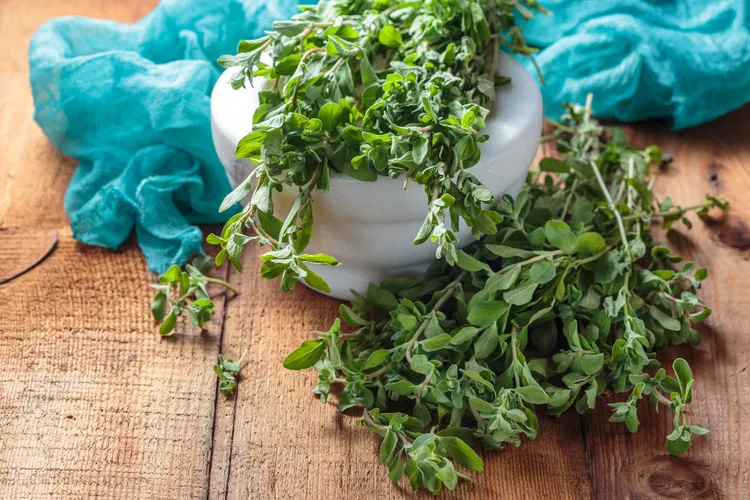
Oregano Oil: An Infused Oil for Dressings and Roasting
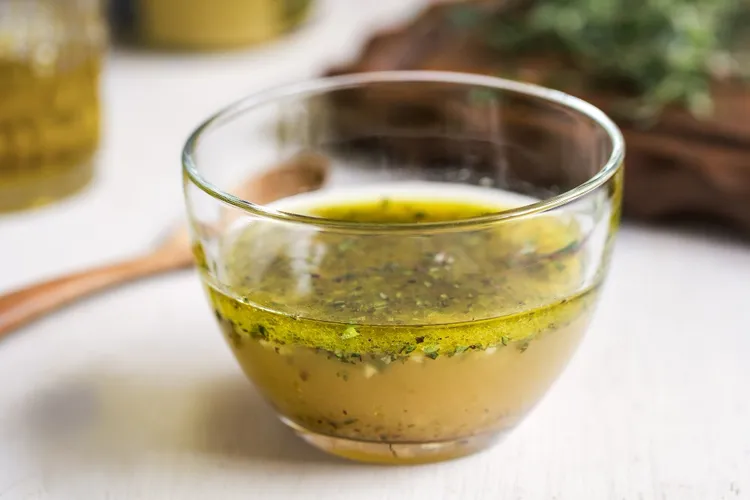
An oregano-infused oil recipe, with notes on how it differs from other herb-infused oils in the series.
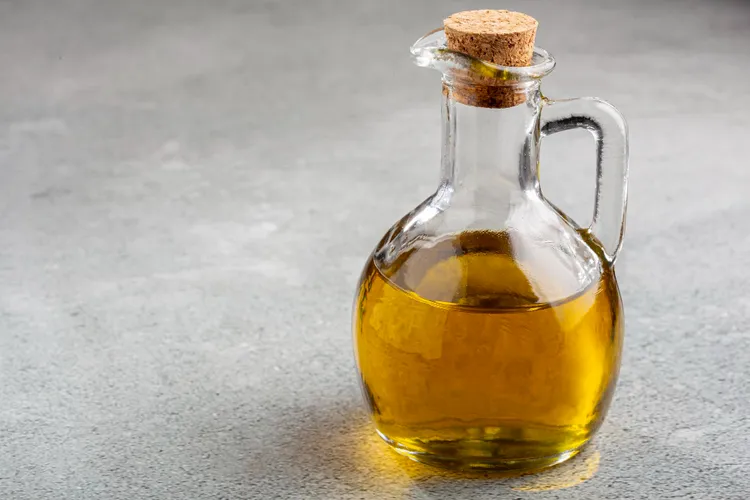
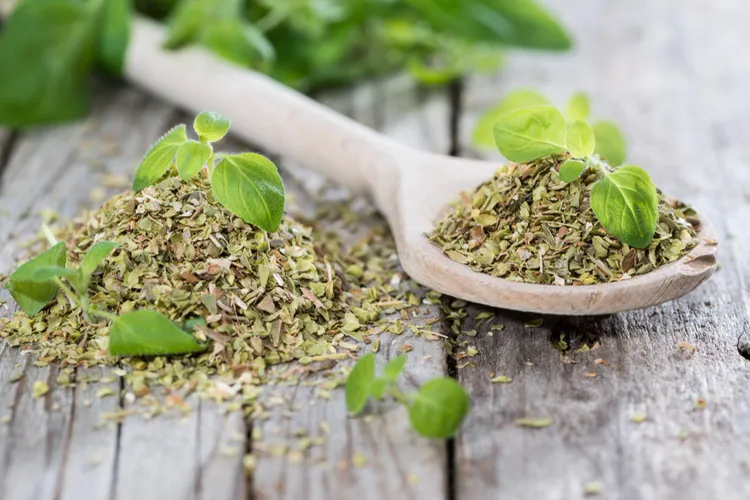
An oregano-infused oil is a simple way to have the herb's flavor ready to drizzle or cook with at a moment's notice, and like sage, oregano's sturdier composition means it can be infused with a gentler, more forgiving approach than a delicate herb requires.
How Oregano Oil Compares to Other Herb Oils
Basil and dill oil rely on a quick blanch to preserve bright color and flavor, since both are delicate and fade quickly. Oregano, especially dried oregano, doesn't need this step at all; a simple low, slow infusion in warm oil draws out its flavor effectively without any risk of the color-fading issues that affect more delicate leaves.
How to Make Oregano Oil
- Combine 1 cup neutral or mild olive oil with 3 tablespoons dried oregano (or 1/3 cup fresh) in a small saucepan
- Warm gently over low heat, never letting it simmer or bubble, for about 10 minutes to infuse
- Remove from heat and let cool completely with the oregano still in the oil
- Strain through a fine mesh sieve once cooled, discarding the solids
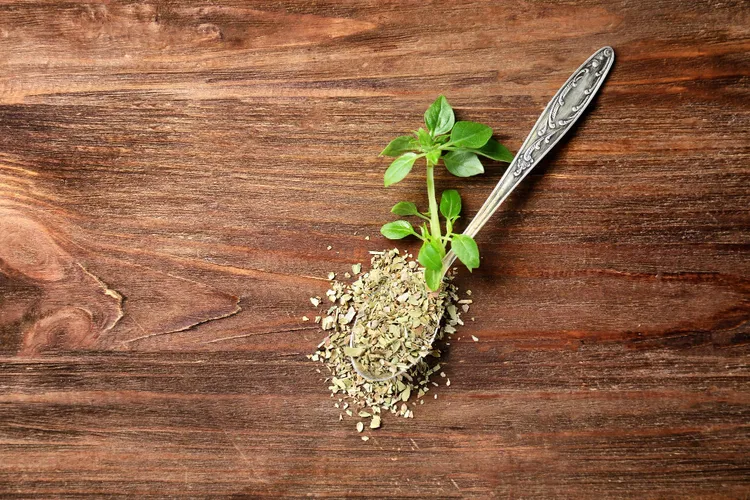
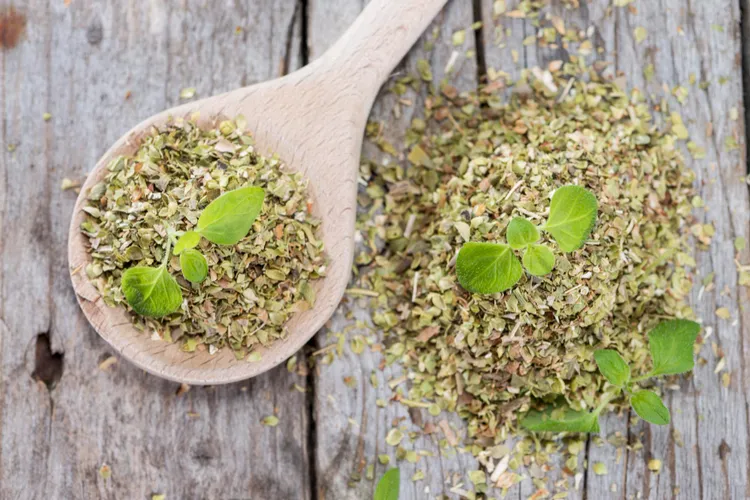
Using dried oregano for this oil is a reasonable, even preferred, choice given how well dried oregano holds its flavor and how convenient it is to have on hand year-round compared to relying on fresh.
Food Safety With Infused Oils
The same considerations that apply to any homemade herb-infused oil apply here. Oil creates a low-oxygen environment that can support the growth of Clostridium botulinum if not handled correctly.
- Refrigerate homemade infused oil at all times; never store it at room temperature
- Use within 2 to 3 weeks if refrigerated, or freeze for longer storage
- Discard any oil that smells off or has been left unrefrigerated for more than a couple of hours
How to Use It
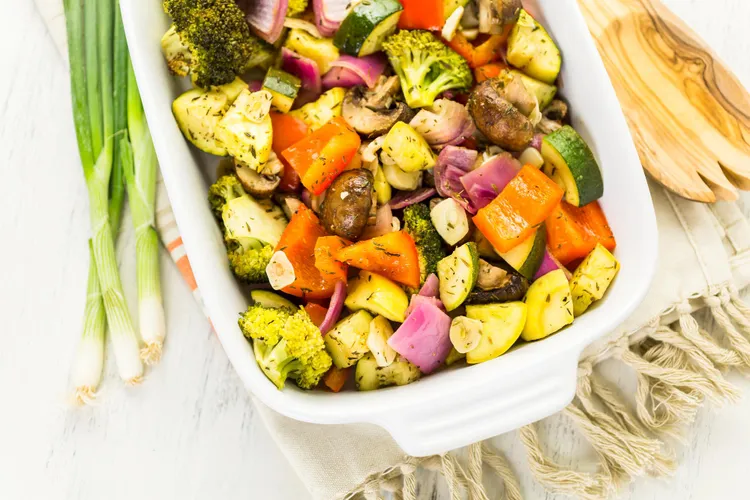
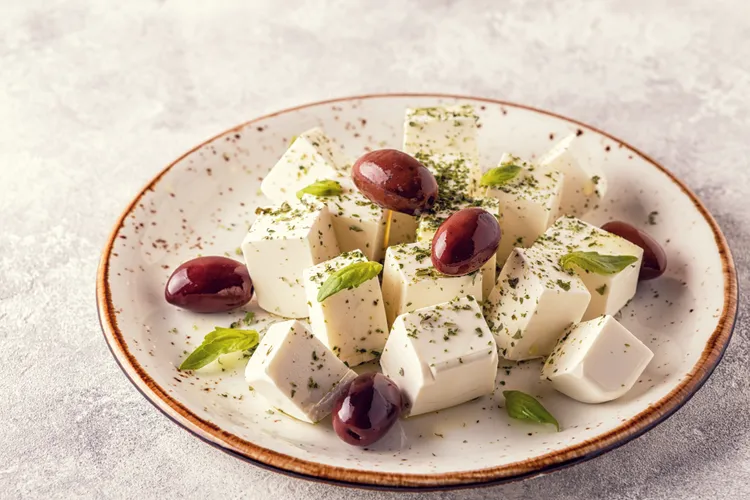
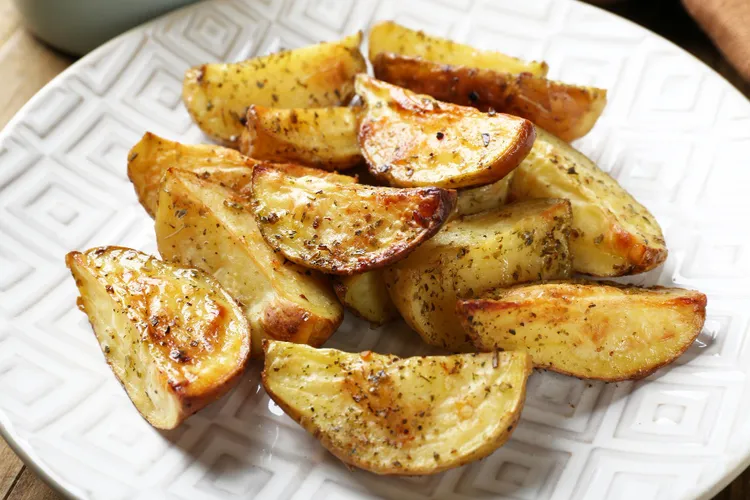
Drizzle over a Greek salad or roasted vegetables. Use as a base for the vinaigrette in Oregano Vinaigrette and Salad Dressings in place of plain olive oil for an extra layer of flavor. Brush over bread before toasting, or use to saute vegetables for an oregano note throughout the dish rather than as a distinct addition.
Choosing the Right Oil
A neutral oil like grapeseed lets oregano's flavor lead cleanly. A good extra virgin olive oil works well too and, similar to sage oil, its own robust flavor tends to complement rather than compete with oregano's boldness, producing a rounder, more Mediterranean-leaning finished oil.
Scaling Up for a Larger Batch
The gentle warming method scales easily; just use a larger saucepan and slightly more infusion time if doubling or tripling the recipe, since a bigger volume of oil takes a little longer to warm through evenly.
Common Mistakes
- Letting the oil simmer or bubble during infusion. This can push the oregano toward frying rather than gently infusing, leading to a harsher, sometimes bitter flavor.
- Storing at room temperature. This is a genuine food-safety issue, not just a quality one; refrigerate or freeze without exception.
- Straining while still hot. Letting the oil cool fully before straining allows more complete flavor extraction and is safer to handle.
- Using too much oregano relative to the oil. Because oregano is potent even in oil form, start with the quantities above rather than assuming more will simply mean more flavor without any downside.
Frequently Asked Questions
Can I combine oregano with other herbs in the same infused oil?
Yes, rosemary, thyme, and basil (added toward the end since it's more delicate) all combine well with oregano in an infused oil, similar to a liquid version of the Italian seasoning blend covered in Homemade Italian Seasoning Blend.
Should I use Mexican or Mediterranean oregano for this oil?
Either works; the choice depends on what flavor direction you want the finished oil to lean toward. Mediterranean oregano suits Italian and Greek uses, while Mexican oregano oil pairs well drizzled over Mexican-style dishes.
How do I know if the oil has gone bad?
An off smell or any sign it's been left unrefrigerated for an extended period are reasons to discard it rather than risk it.
Can I use garlic alongside oregano in this infused oil?
Yes, a smashed garlic clove added during the gentle warming step works well alongside oregano, though garlic-infused oils carry their own specific food-safety considerations worth being aware of, similar to the herb-only version described here.
Because a batch lasts a couple of weeks refrigerated, mapping out a few dressing or roasting uses over that window as part of a weekly meal plan is a practical way to make sure the full jar gets used before it's time to make more.
Latest