Oregano Marinade for Grilled Chicken, Lamb, and Vegetables
One base oregano marinade, three applications: grilled chicken, lamb, and vegetables.
A well-balanced oregano marinade is one of the more versatile things in a home cook's repertoire, since the same base adapts to poultry, red meat, and vegetables with only minor adjustments to marinating time.
Base Marinade
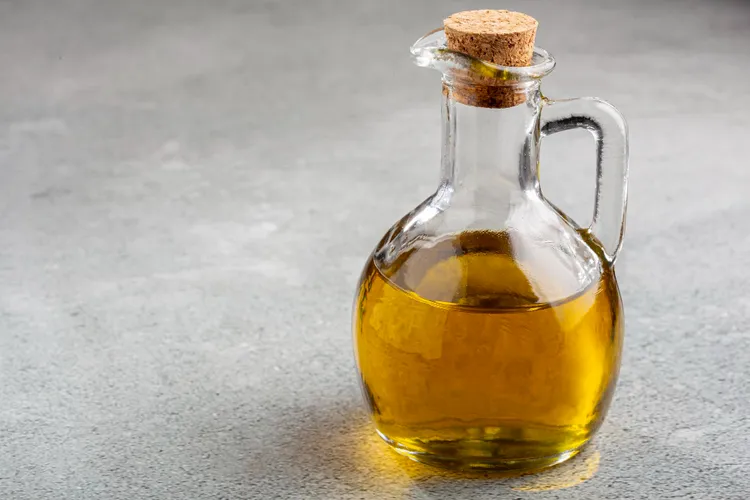
Whisk together 1/3 cup olive oil, the juice of 1 lemon, 3 cloves minced garlic, 1 to 2 tablespoons dried oregano, 1 teaspoon salt, and 1/2 teaspoon black pepper. This makes enough for about 1.5 to 2 pounds of protein or a large batch of vegetables.
1: Grilled Chicken
Marinate chicken thighs or breasts for at least 30 minutes, up to 4 hours for a stronger flavor; beyond that, the acid in the marinade can start to break down the chicken's texture unfavorably. Grill over medium-high heat until cooked through, about 6 to 7 minutes per side for boneless thighs, adjusting for thickness.
2: Grilled Lamb
Lamb chops or a butterflied leg of lamb both take well to a longer marinating time than chicken, up to 8 hours or overnight, since lamb's stronger flavor stands up well to extended contact with the marinade's acidity and garlic. Grill to the desired doneness; lamb is often served closer to medium-rare than chicken, so watch internal temperature accordingly.
3: Grilled or Roasted Vegetables
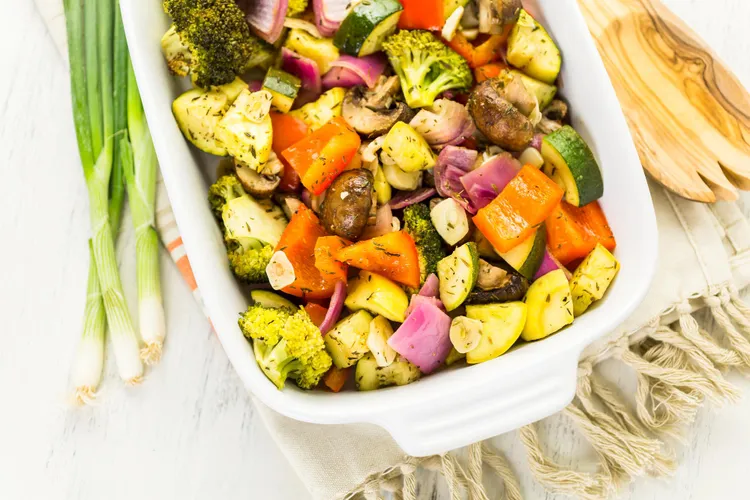
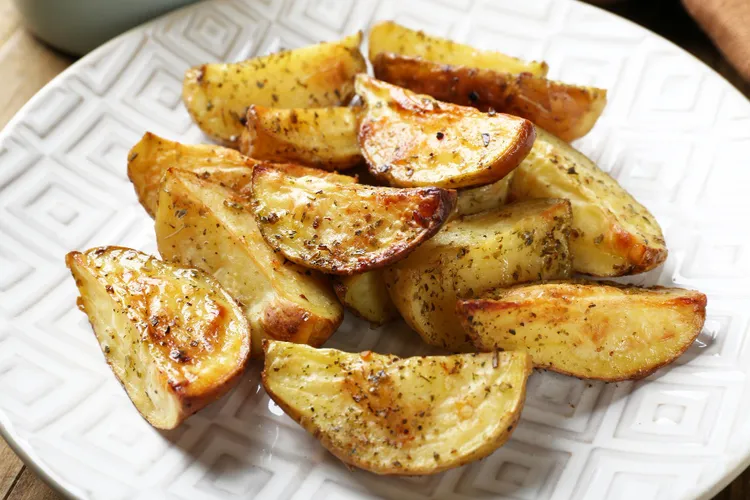
Toss cut vegetables, zucchini, bell peppers, red onion, eggplant, in the marinade and let sit for 20 to 30 minutes before grilling or roasting; vegetables don't need nearly as long as meat to pick up the marinade's flavor, and over-marinating can make some vegetables, particularly zucchini, slightly mushy.
Adjusting the Marinade
For a stronger oregano presence, increase to 2 tablespoons; for a milder version suited to more delicate fish, reduce to 1 teaspoon and shorten marinating time to 15 to 20 minutes, since fish absorbs marinade flavors faster than meat and can turn mushy if left too long in an acidic marinade.
Which Oregano to Use
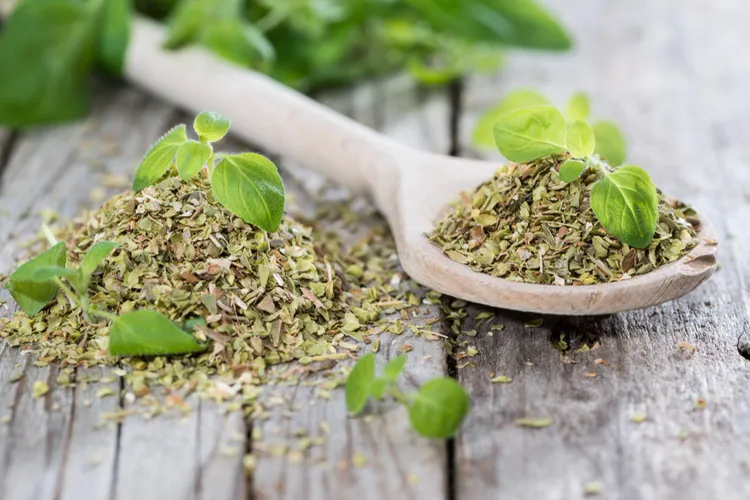
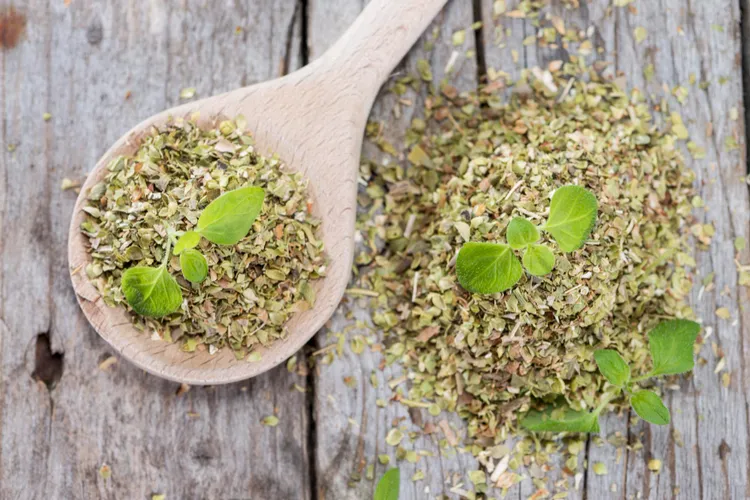
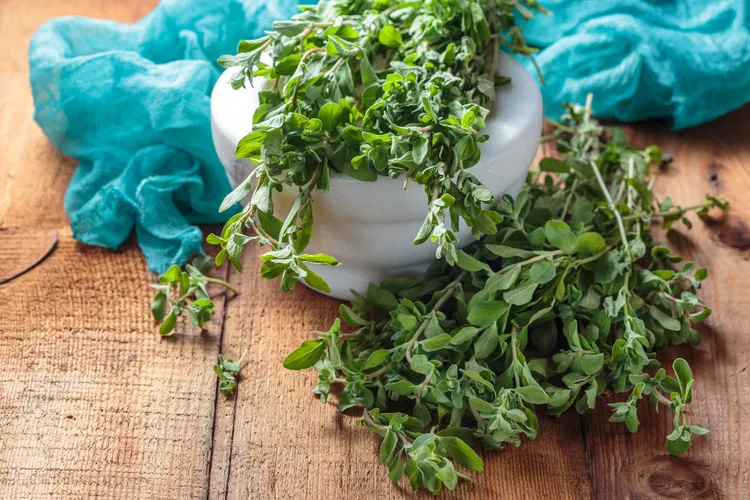
Mediterranean oregano is the traditional and generally better choice for this marinade, given its Greek-leaning flavor profile. Since this is a raw or lightly cooked application, fresh oregano works especially well here too; see Fresh vs Dried Oregano for more on why raw applications like this one suit fresh oregano better than a long-simmered dish would.
Building a Full Meal Around This Marinade
Because the base marinade works across chicken, lamb, and vegetables, it's a practical way to build a single cooking session into a complete meal without needing separate seasoning approaches for each component. Marinating chicken and vegetables at the same time, staggering their start times based on the guidance above, lets both go on the grill close together for an efficient dinner.
Common Mistakes
- Marinating too long, especially for chicken or fish. The acid in this marinade can start to break down protein texture if left too long; stick to the time ranges above.
- Marinating vegetables as long as meat. Vegetables pick up flavor much faster and don't benefit from an extended marinating time the way a tougher cut of meat does.
- Using the marinade as a finishing sauce without cooking it first. Any marinade that's touched raw meat needs to be discarded or brought to a full boil before being used as a sauce, for food safety.
- Not patting protein dry before grilling. Excess marinade dripping off can cause flare-ups on the grill and prevent good browning; let excess marinade drip off before placing anything on the grill.
Frequently Asked Questions
Can I use fresh oregano in this marinade instead of dried?
Yes, since this is a raw application, fresh oregano works well here; use about 1 tablespoon fresh in place of 1 teaspoon dried, adjusting to taste. See Fresh vs Dried Oregano for more on when each form suits a given application.
Can I freeze meat directly in this marinade?
Yes, combining raw meat and marinade in a freezer bag and freezing is a reasonable way to marinate and store at the same time; thaw in the fridge before cooking, and the meat will have marinated during the thawing process.
Does this marinade work for pork?
Yes, it works well for pork chops or a smaller pork roast, following a similar marinating time to chicken.
Can I bake instead of grill with this marinade?
Yes, the marinated protein or vegetables roast well in a 425°F (220°C) oven if grilling isn't an option, following roughly the same timing as a standard roast for that ingredient.
Make a double batch of the marinade and keep half in the fridge for up to a week for a second use later in the week, saving prep time on a busy night. Planning a grilling night into a weekly meal plan around whatever protein or vegetables are on hand makes this marinade an easy, repeatable go-to rather than a one-off recipe.
Latest