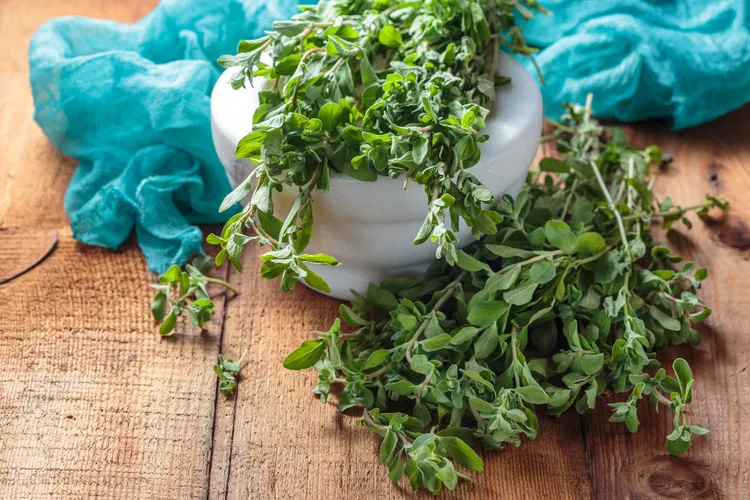
Oregano Vinaigrette and Salad Dressings
A Greek-style oregano vinaigrette base recipe plus two variations for different salads.
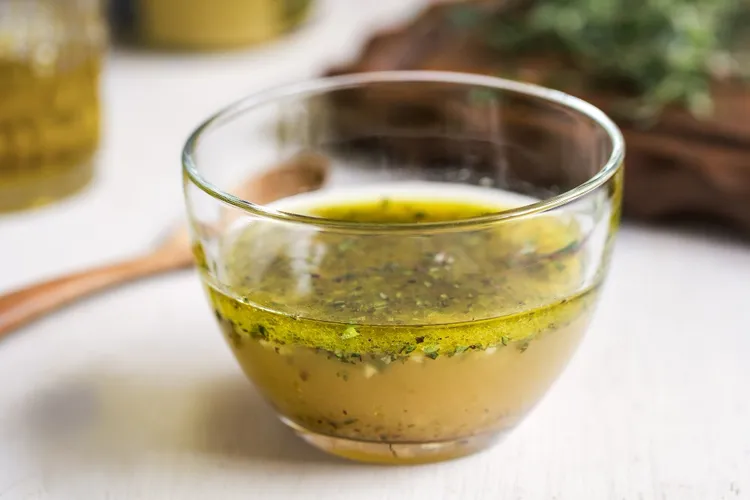
A well-made oregano vinaigrette is one of the more useful things a bottle of good oregano produces, since it extends well past a single Greek salad into a general-purpose dressing worth keeping on hand.
Base Greek-Style Vinaigrette
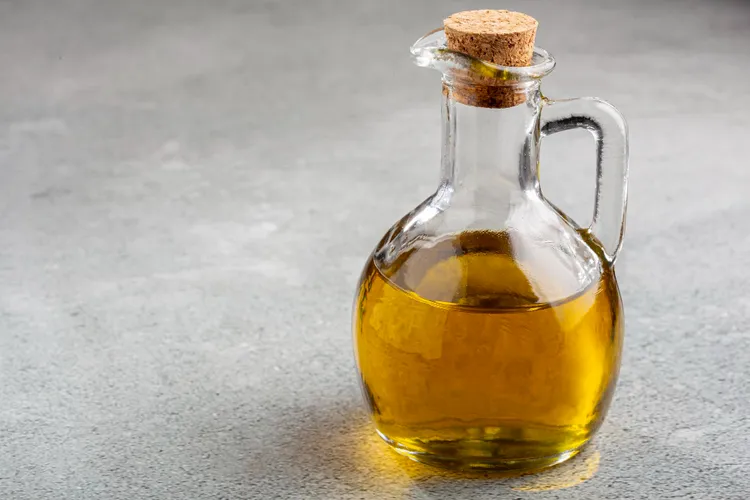
Whisk together 1/2 cup olive oil, 3 tablespoons red wine vinegar, 1 clove minced garlic, 1 teaspoon dried oregano, 1/2 teaspoon Dijon mustard (optional, helps emulsify), salt, and pepper. Whisk vigorously or shake in a sealed jar until combined. This makes about 3/4 cup, enough for a large salad or several smaller ones over the course of a week.
Variation 1: Creamy Oregano Dressing
Add 2 tablespoons plain Greek yogurt or mayonnaise to the base recipe and whisk until smooth. This produces a thicker, creamier dressing suited to heartier salads, a Greek-style pasta salad, or as a dip for raw vegetables alongside a main dish.
Variation 2: Lemon-Forward Version
Replace the red wine vinegar with fresh lemon juice, and add a small amount of lemon zest for extra brightness. This version pairs particularly well with grilled fish or a lighter summer salad, where the vinegar-based original might feel slightly heavier.
Fresh vs Dried Oregano in Dressing
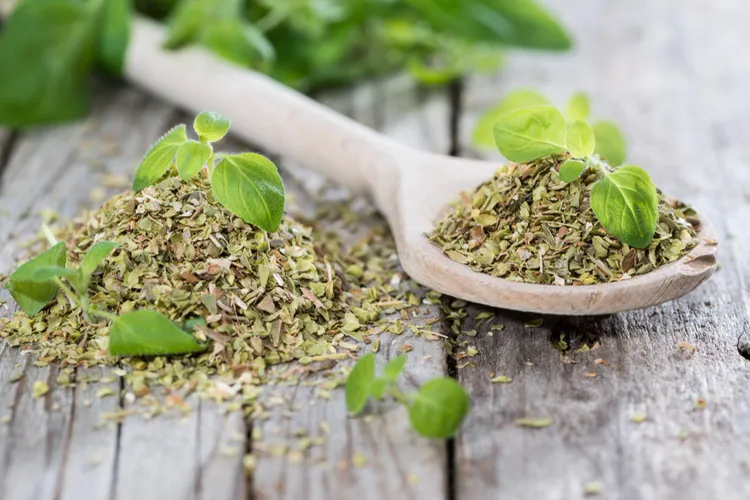
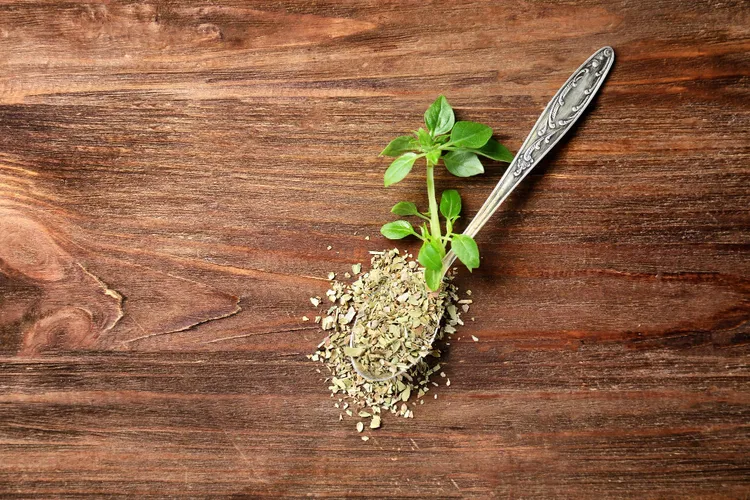
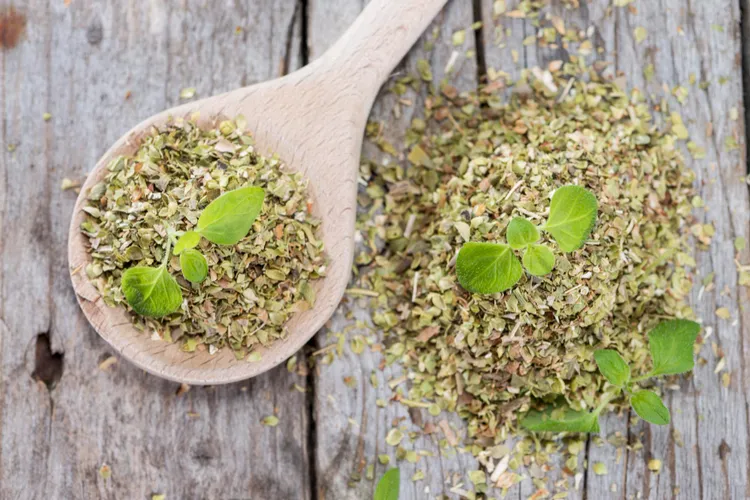
Because this is a raw, uncooked application, either fresh or dried oregano works, though they produce different results. Dried oregano, as used in the base recipe, gives a bolder, more traditional Greek flavor that holds up over the dressing's shelf life. Fresh oregano, used at about a tablespoon in place of the teaspoon of dried, gives a brighter, milder result but tends to fade faster in flavor over a few days of storage.
Uses Beyond a Green Salad
- Marinade: use as a quick marinade base for chicken or vegetables before grilling, similar to the approach in Oregano Marinade for Grilled Chicken, Lamb, and Vegetables
- Grain salad dressing: toss with cooked and cooled orzo, quinoa, or farro along with chopped vegetables for a quick grain salad
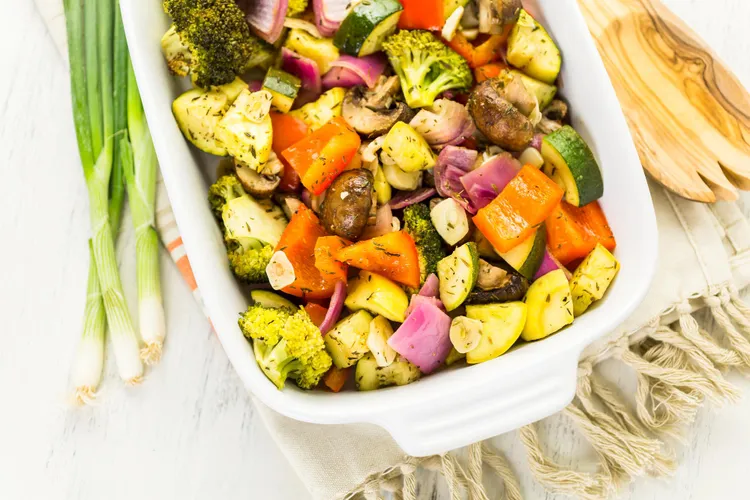
- Roasted vegetable finish: drizzle over warm roasted vegetables right before serving for extra brightness
- Sandwich or wrap dressing: use in place of plain mayonnaise or oil for extra flavor
Storage
Refrigerated in a sealed jar, this dressing keeps for about 1 to 2 weeks. The oil will solidify somewhat in the fridge; let it sit at room temperature for 10 to 15 minutes and shake well before using.
Balancing the Dressing to Taste
The base ratio of oil to vinegar, roughly 3 to 1, is a standard vinaigrette starting point, but personal preference varies. A sharper, more acidic palate might prefer closer to 2 to 1; a milder preference might lean closer to 4 to 1. Adjust the ratio gradually rather than committing to a large batch before knowing it suits your taste.
Common Mistakes
- Using too much dried oregano for a raw dressing. Even in a suitable raw application, dried oregano's grittiness and boldness can become overwhelming if overdone; start with the amount above and adjust cautiously.
- Not letting the dressing sit before serving. A short rest, even just 10 to 15 minutes, lets the garlic and oregano flavors meld into the oil and vinegar more fully than serving immediately after mixing.
- Skipping the emulsifier (mustard or yogurt) and expecting a stable mix. Without something to help bind oil and vinegar together, the dressing separates quickly and needs vigorous re-shaking before each use.
- Adding fresh herbs like parsley or dill without adjusting the oregano level. If layering in additional fresh herbs, consider dialing back the oregano slightly so it doesn't compete for dominance in an already busier flavor profile.
Frequently Asked Questions
Can I make a big batch of this dressing to have on hand?
Yes, doubling or tripling the recipe is straightforward and reasonable, given its 1 to 2 week shelf life; a bigger batch is a practical way to always have a dressing ready for whatever salad the week calls for.
Does this dressing work for a pasta salad?
Yes, particularly the creamy variation, which holds up well tossed with pasta and vegetables for a make-ahead side dish.
Can I use this as a marinade and a dressing from the same batch?
Yes, though if any portion touches raw meat as a marinade, don't reuse that same portion as a finished dressing without bringing it to a full boil first, for food safety.
What other salads pair especially well with this dressing?
Beyond a classic Greek salad, it works well on a simple romaine salad, a chickpea salad, or drizzled over a platter of sliced tomatoes and cucumbers as a lighter alternative to a full tossed salad.
Make a batch at the start of the week and keep it on hand for whatever salads or quick dressings come up; having it ready in the fridge makes it easy to add a fresh vegetable side to a weekly meal plan without extra last-minute prep.
Latest