Pasta Dough by Ratio: 1 Egg Per 100g Flour, Explained
Fresh pasta dough comes down to one number: 1 egg per 100g flour. Once you know it, you can scale a batch to any serving size without a recipe card.
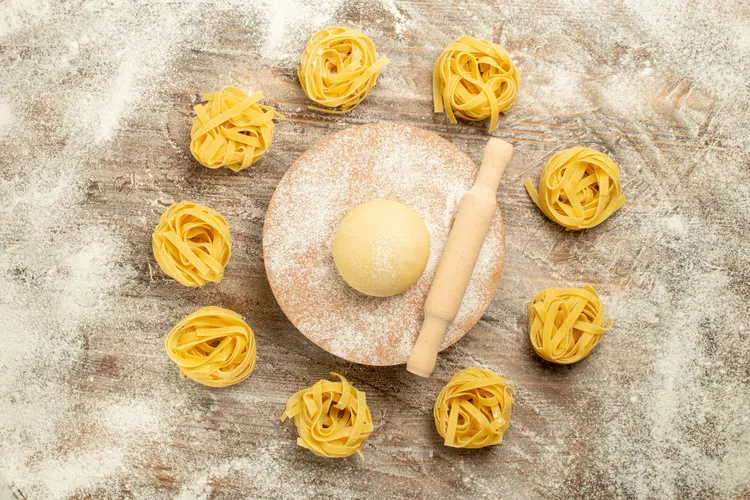
Fresh egg pasta comes down to one number: 1 egg per 100g flour. That's it. Once you have that ratio memorized, you don't need a recipe card to make pasta for two people or twelve, you just count eggs and weigh flour to match.
What the Ratio Actually Means
Unlike a lot of baking ratios, this one is measured partly in whole units (eggs) rather than weight alone, because a "large" egg is consistent enough in practice to use as the counting unit. For every 100g of flour, use 1 large egg (roughly 50g). Scale by adding one egg and 100g of flour at a time.
- 2 servings: 200g flour, 2 eggs
- 4 servings: 400g flour, 4 eggs
- 6 servings: 600g flour, 6 eggs
This holds for standard egg pasta destined to be rolled thin, cut into shapes like tagliatelle or fettuccine, and cooked fresh or dried briefly before cooking. It's a starting ratio, not a rigid law, flour brands and egg sizes vary enough that you'll almost always adjust slightly with water or extra flour while mixing.
Choosing Your Flour
Flour type changes texture more than it changes the ratio itself.
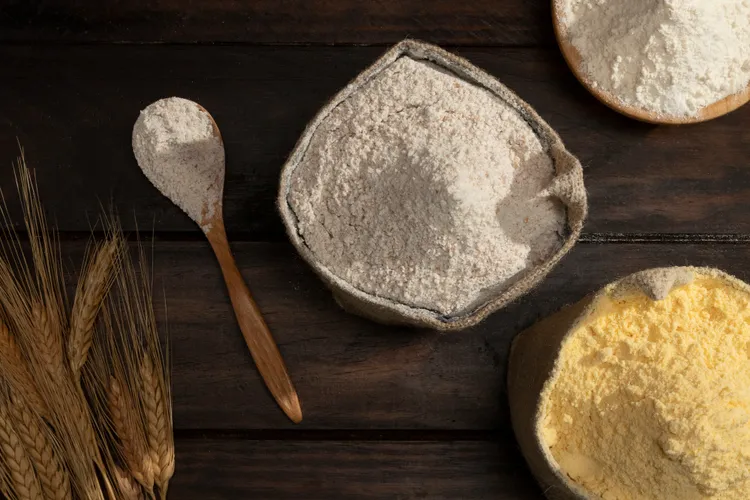
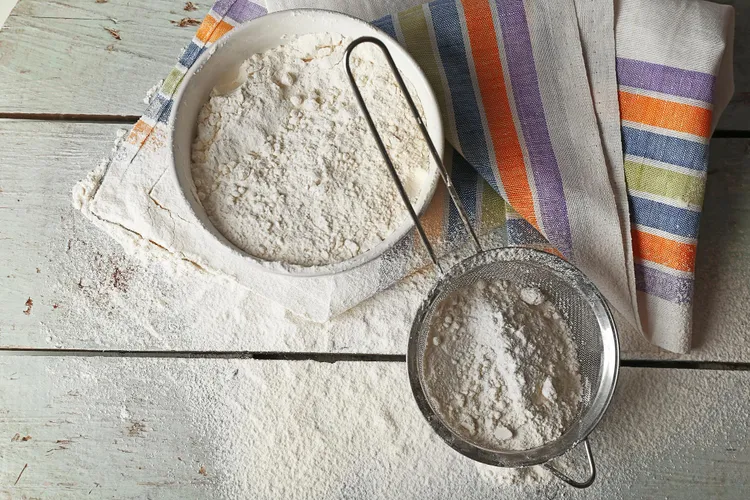
- 00 flour: the traditional choice for egg pasta. Finely milled, low protein, produces a silky, tender dough that's easier to roll thin. If you only buy one flour for pasta, this is it.
- All-purpose flour: works fine and produces a slightly chewier, more substantial noodle. A reasonable substitute if 00 isn't available, no recipe adjustment needed.
- Semolina (durum) blend: mixing in 20-30% semolina by weight gives a firmer, more toothsome bite and a pale yellow color. More common for egg-free pasta, but works in an egg dough too if you want extra chew.
- Whole wheat: absorbs more liquid and produces a denser, more rustic dough. If substituting fully, expect to add a bit more egg or a splash of water to reach the same texture.
00 and all-purpose can be swapped 1:1 without touching the ratio. Semolina and whole wheat both shift water absorption, so treat the 1:100 ratio as a starting point and adjust by feel.
Scaling Up or Down
Because the ratio is counted in whole eggs, scaling isn't always perfectly clean, you can't easily use half an egg. For odd serving counts, weigh a whole egg (about 50g), then calculate flour off that actual weight instead of assuming a round number.
- 1 serving: 100g flour, 1 egg
- 2 servings: 200g flour, 2 eggs
- 3 servings: 300g flour, 3 eggs
- 5 servings: 500g flour, 5 eggs
For odd numbers like 2.5 servings, it's easier to round up to the next whole egg and have slightly more dough than to try to split an egg. Extra dough freezes well, so overshooting isn't a real cost.
Whole Egg vs. Yolk-Heavy Doughs
The 1:100 ratio assumes whole eggs, but swapping in extra yolks changes richness, color, and handling.
- All whole egg: the standard approach. Balanced richness, easier to work with for beginners, dough that's forgiving during rolling.
- Extra yolks added: some traditional recipes (particularly for tagliatelle in Emilia-Romagna) use all yolks or a mix weighted toward yolks, sometimes as many as 8-10 yolks per 500g flour with no whites at all. This produces a deeper yellow color, richer flavor, and a silkier, more tender noodle, but a stiffer dough that needs more kneading and often a little extra water to compensate for the missing egg white moisture.
- Rule of thumb for substitution: 1 whole egg ≈ 1 yolk + 1-2 teaspoons of water, if you want to shift a recipe toward more yolks without recalculating the whole ratio from scratch.
Why This Ratio Works
Egg pasta depends on two things holding together at once: enough liquid to hydrate the flour into a workable dough, and enough protein to give the dough the elasticity to roll thin without tearing. Eggs handle both jobs at once, the water content hydrates the flour, and the egg protein reinforces the gluten network flour builds on its own. That's part of why egg pasta rolls thinner and holds a more delicate texture than water-based doughs, which rely on flour's gluten alone and typically need a stiffer, higher-protein flour like semolina to compensate.
The 1:100 ratio sits at a point where there's enough egg to fully hydrate the flour without so much that the dough turns wet and slack. Push the ratio higher, more egg per 100g flour, and the dough gets softer and stickier, harder to roll thin without extra flour dusting. Push it lower and the dough turns dry and stiff, requiring added water to come together at all, at which point you've essentially recreated the ratio anyway just with plain water standing in for part of the egg.
Salt and Additions
A pinch of salt (roughly 1/4 teaspoon per 200g flour) is standard in the dough itself, separate from salting the cooking water. It's small enough not to affect the ratio's water balance meaningfully.
Some recipes add a small amount of olive oil, a teaspoon or so per 200g flour, which makes the dough slightly more pliable and easier to roll for beginners, though it's not traditional in most Italian regional methods and isn't necessary if your technique is solid. If you do add it, treat it as an extra, not a replacement for any of the egg or flour in the ratio.
Color and flavor additions, spinach puree for green pasta, squid ink for black, tomato paste for red, all introduce extra liquid or dry matter that shifts hydration. Reduce the added liquid (fewer eggs, replaced partially by the puree) or increase flour slightly to compensate, and expect to adjust by feel more than with a plain egg dough.
Mixing and Kneading
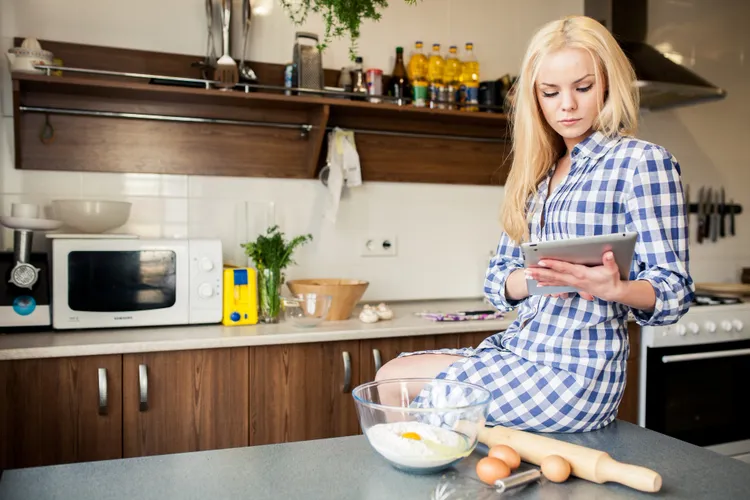
- Mound the flour on a clean surface or in a wide bowl, and make a well in the center.
- Crack the eggs into the well. Using a fork, beat the eggs gently, gradually pulling in flour from the inner wall of the well.
- Once the mixture is too thick for the fork, switch to your hands. Bring the dough together into a rough, shaggy mass. It should look dry and a little uneven at this stage.
- Knead for 8-10 minutes by hand. The dough starts stiff and rough and becomes smooth and elastic as gluten develops. If it stays crumbly and won't come together, add water a half-teaspoon at a time. If it's sticky, dust with a little more flour.
- Wrap tightly in plastic and rest at room temperature for at least 30 minutes, or refrigerate up to 24 hours. The rest lets the gluten relax, which makes rolling dramatically easier.
Don't skip the rest even if the dough feels ready. Unrested pasta dough fights back when you roll it, springing back thicker than you rolled it to, and it's far more likely to tear.
Rolling: By Hand vs. Machine
- Pasta machine (manual or stand mixer attachment): the standard approach for even thickness. Start on the widest setting, fold and pass the dough through several times to develop a smooth sheet, then progressively narrow the setting until you reach the desired thickness, usually one of the last two or three settings for tagliatelle-style noodles.
- Rolling pin by hand: possible but takes real effort to get consistent thinness across a full sheet. Roll from the center outward, rotating the dough regularly, and expect it to take longer to reach the same thinness a machine gets to in a few passes.
Whichever method, work with one portion of dough at a time and keep the rest wrapped so it doesn't dry out and crack at the edges while you wait.
Cutting and Shaping
Once rolled to the right thickness, usually thin enough to see your hand's shadow through the sheet for a delicate noodle, cutting is where shape gets decided.
- Tagliatelle and fettuccine: the pasta machine's built-in cutter attachment handles these directly, or fold the sheet loosely and slice by hand with a sharp knife for a slightly more rustic, uneven cut.
- Pappardelle: wider ribbons, usually cut freehand with a knife or a fluted pastry wheel for a decorative edge.
- Lasagna sheets: cut to the width of the baking dish, no further shaping needed, just enough thickness to hold up through a longer bake.
- Filled shapes (ravioli, tortellini): need a slightly thinner roll than long noodles, since the dough doubles over itself around the filling, and benefit from an egg wash at the seam to seal properly.
Whatever the shape, dust cut pasta lightly with flour or semolina and let it rest uncovered for 10-15 minutes before cooking, or hang it to dry further if you're not cooking it same-day. This keeps strands from sticking together in the pot.
Cooking Fresh vs. Dried Pasta
Fresh pasta cooks dramatically faster than dried, usually 2-4 minutes in well-salted boiling water versus 8-12 minutes for dried. It's also more delicate, gentle stirring is enough to keep it separated, no need for the vigorous boil dried pasta can tolerate.
If you're not cooking the full batch same-day, fresh pasta can be dried further (laid flat or hung until brittle, then stored airtight for weeks) or frozen. To freeze, dust cut pasta generously with semolina, freeze in a single layer on a tray until solid, then transfer to a bag. Cook directly from frozen, no thawing needed, adding about a minute to the cook time.
Troubleshooting by the Ratio
- Dough is too dry, won't come together: add water a half-teaspoon at a time until it clumps. This is common with drier flour brands or larger eggs than the 50g assumption.
- Dough is too sticky, sticks to hands and surface: add flour a tablespoon at a time while kneading. Slightly too much liquid relative to flour is the usual cause.
- Dough is tough or hard to roll thin: usually under-rested. Give it another 20-30 minutes wrapped at room temperature before trying again.
- Noodles tear during rolling: either the dough dried out on the surface (keep unused portions wrapped) or it wasn't kneaded long enough to develop a strong gluten network.
- Pasta turns gummy after cooking: usually rolled too thick, or too much flour was worked in during kneading, throwing off the ratio more than it looks like from the outside.
Common Questions
Can I make this dough egg-free? Yes, but it's a different ratio, not a substitution within this one. Egg-free pasta typically swaps in water and relies more heavily on semolina flour for structure, since there's no egg protein to reinforce the dough. Treat it as a separate recipe rather than eggs removed from this one.
Why does my dough look dry right after mixing, before kneading? That's normal. At the shaggy, just-combined stage the dough looks rougher and drier than it will after 8-10 minutes of kneading, which brings it together and smooths it out. Resist adding water at this stage unless it genuinely won't come together at all.
Do egg size and freezer temperature actually matter? Egg size matters more than most home cooks expect, since the ratio assumes roughly 50g per egg. If your eggs run noticeably larger or smaller, weigh a couple and adjust flour to match rather than trusting the count alone. Cold eggs straight from the fridge work fine and don't need to come to room temperature first.
Can I use a stand mixer with a dough hook instead of hand kneading? Yes, it works well for pasta dough specifically because the dough is stiffer than bread dough and doesn't need the same gentle handling. Mix on low speed for about 5-6 minutes, checking texture partway through, since mixer timing runs a little faster than hand kneading.
A Worked Example: 4 Servings
Standard dough, whole eggs, 00 flour:
- 400g 00 flour (or all-purpose)
- 4 large eggs (about 200g)
- Pinch of salt
- Water as needed, added a half-teaspoon at a time only if the dough won't come together
Mix, knead 8-10 minutes, rest 30 minutes minimum, then roll and cut into whatever shape you're after. This batch works equally well tossed with a simple tomato and basil sauce, along the lines of a whole-wheat tomato basil pasta, or with a lighter vegetable-forward finish similar to a zucchini pasta. The dough doesn't know or care what sauce it's headed toward.
Nutrition (per serving, 100g flour + 1 egg portion)
Approximate values for one serving of fresh egg pasta made at the 1:100 ratio, cooked:
- Calories: ~210 kcal
- Protein: ~8g
- Carbs: ~38g
- Fats: ~3g
These shift slightly with flour type (semolina and whole wheat both nudge carbs and fiber up) and with yolk-heavy variations, which raise both fat and protein per serving compared to an all-whole-egg dough.
Once 1 egg per 100g flour is memorized, pasta stops being a recipe you look up and becomes a ratio you apply. Count place settings, count eggs, weigh the matching flour, and the rest, kneading, resting, rolling, is technique that doesn't change no matter how many servings you're making.
Latest