Pie Crust by Ratio: 3:2:1 and No More Guessing
The 3:2:1 ratio (flour : fat : water by weight) is the backbone of every good pie crust. Once you know it, you can scale any recipe and stop measuring by guesswork.
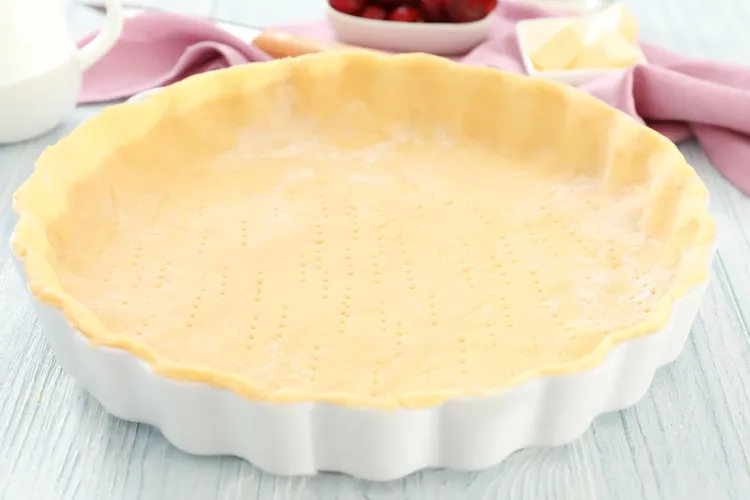
Every pie crust, no matter whose recipe you're following, comes down to the same three numbers: 3 parts flour, 2 parts fat, 1 part water, measured by weight. Learn that ratio and you stop needing a recipe card at all. You can make a crust for a 9-inch single, scale it up for a lattice-topped double, or shrink it down to a hand pie without doing any real math beyond multiplication.
What 3:2:1 Actually Means
The numbers refer to weight, not cups or tablespoons. For every 3 units of flour, you use 2 units of fat and 1 unit of water. Pick any unit you want, as long as you're consistent. In grams, that's commonly written as 300g flour, 200g fat, 100g water for a standard double crust, or half those amounts for a single 9-inch crust.
This is a French pastry convention (pâte brisée is built the same way), and it works because the proportions control the two things that make or break a crust: how it holds together, and how it flakes. Too much fat relative to flour and the dough won't hold a shape. Too little and the crust turns out tough instead of tender. The ratio is the range that consistently lands in the middle.
Why Weight Beats Volume Here
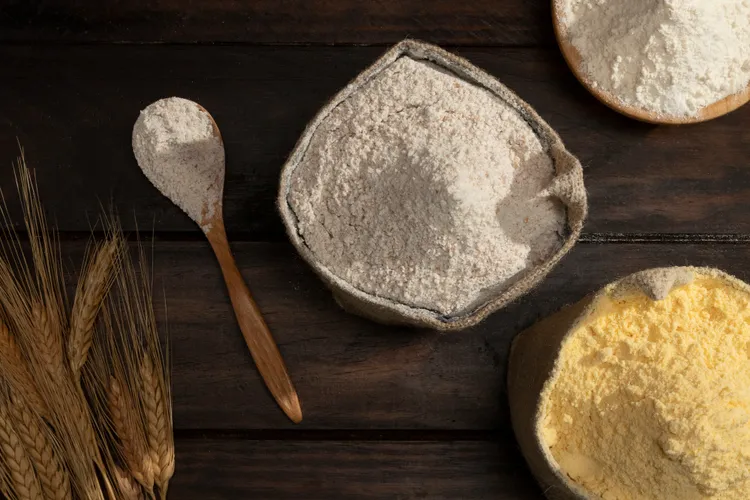
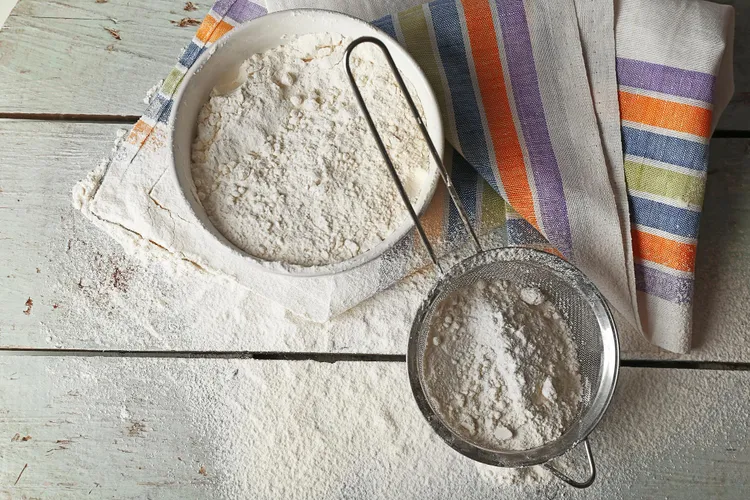
A cup of flour can weigh anywhere from 120g to 150g depending on how it's scooped, whether it's sifted, and even the humidity in your kitchen. That's up to a 25% swing before you've added a single other ingredient. Butter is more consistent by volume, but water measured in a liquid measuring cup at eye level is still less precise than water on a scale.
A kitchen scale removes all of that guessing. Weigh the flour, weigh the fat, weigh the water. The ratio holds regardless of what brand of flour you're using or how packed your measuring cup was. If you only take one thing from this article, make it this: buy a $15 digital scale if you don't have one. It will do more for your crust than any technique tip.
Scaling the Ratio
Once you're working by weight, scaling is just multiplication. Pick a flour weight based on what you're making, then apply the ratio to get the other two numbers.
- Single 9-inch crust: 150g flour, 100g fat, 50g water
- Double 9-inch crust (top and bottom): 300g flour, 200g fat, 100g water
- Deep-dish or 10-inch double: 375g flour, 250g fat, 125g water
- Hand pies or mini tarts (roughly 8 pieces): 200g flour, 133g fat, 67g water
Notice the pattern: fat is always two-thirds of the flour weight, and water is always one-third. If you want a crust for a 12-inch tart pan and don't see it listed anywhere, weigh out however much flour looks right for the pan, then do the same math.
Where the Ratio Comes From
3:2:1 isn't a modern shortcut, it's the same backbone French pastry chefs use for pâte brisée, just stated in a way that's easy to remember. Professional bakeries rarely write recipes in cups for exactly this reason: cup measurements don't scale cleanly, and they don't transfer between kitchens with different flour brands or humidity levels. A ratio does both. Once you understand it, a "recipe" is really just a decision about how much flour to start with.
This is also why so many pie crust recipes online look wildly different in their ingredient lists but taste almost identical. Strip out the sugar, the vinegar, the egg some recipes add, and you'll usually find the same 3:2:1 backbone underneath, just measured in volume instead of weight.
By Hand or Food Processor
Both methods work with the ratio unchanged. The difference is speed and control.
- By hand: a pastry cutter or two forks give you the most control over fat size, which matters if you're chasing a specific texture. It takes longer and warms the fat faster from hand contact, so work in a cool kitchen.
- Food processor: pulse the flour and cubed fat together in short bursts, checking after every few pulses. This is faster and keeps the fat colder overall since your hands never touch it, but it's easy to overdo it and turn the fat into paste instead of pea-sized pieces. Pulse, don't run continuously.
Either way, add the water by hand at the end. A food processor will overwork the dough in seconds once water is added, turning a tender crust into a tough one.
Blind Baking
Blind baking means baking the crust empty before the filling goes in, and it solves two different problems depending on what you're making.
For a fully baked crust (custard pies, cream pies, anything with a no-bake or barely-baked filling): line the chilled, rolled crust with parchment, fill with pie weights or dried beans, and bake at 400°F for about 15 minutes. Remove the weights and parchment, then bake another 10-12 minutes until the base is golden, not just pale.
For a partially baked crust (used under wetter fillings like custard-based pumpkin pie, or the salmon and leek style filling above): follow the same steps but pull it at around 15 minutes total, before the base fully colors. It finishes cooking once the filling goes in and the pie returns to the oven.
Docking the base first, poking it all over with a fork, helps prevent the bottom from puffing up under the weights.
Freezing and Make-Ahead
The dough freezes well at two different stages, and which one you pick depends on how far ahead you're planning.
- Freeze the disc: wrap tightly in plastic, then foil, and freeze up to 3 months. Thaw overnight in the fridge before rolling.
- Freeze it pre-rolled, in the pan: roll out, fit into the pie dish, then freeze uncovered until solid before wrapping. Bake straight from frozen, adding a few extra minutes to the bake time. This skips the thaw-and-roll step entirely on the day you need it.
Either way, always chill the dough again for 15-20 minutes after rolling and before baking, even if it came straight from the fridge. Rolling warms it up more than it seems like it should.
Choosing Your Fat
The 3:2:1 ratio doesn't care what fat you use, only how much. That gives you room to choose based on the result you want.
- All butter: best flavor, most flake, but softens fast and is the least forgiving to work with. Keep it cold at every stage.
- All shortening: more stable, easier for beginners, but flatter flavor and a crust that's tender rather than distinctly flaky.
- Butter and shortening blend (roughly 50/50): the common compromise. Shortening's higher melting point gives structure; butter carries the flavor.
- Lard: traditional for savory pies, produces the flakiest texture of any single fat, milder flavor than butter.
Whatever you pick, cut it cold and keep it cold. Cube butter and put it back in the freezer for 10 minutes before you start. The fat needs to stay in small, distinct pieces through mixing and rolling. Those pieces melt in the oven and create steam pockets, which is the actual mechanism behind a flaky crust. If the fat melts into the flour before it hits the oven, you lose that structure entirely.
The Water Variable
Water is the part of the ratio that's least fixed, and that's by design. The 1-part number is a target, not a hard requirement. Flour absorbs water differently depending on humidity, protein content, and how finely the fat got worked in. Start with slightly less than the ratio calls for, then add more a tablespoon at a time only if the dough won't come together.
Use ice water, and add it cold enough that it's still got ice chips floating in it when you measure. The goal is dough that clumps when pressed between your fingers but isn't sticky or wet. If you can form a ball without it cracking apart, you've added enough. Add too much and the gluten in the flour develops further than you want, which is what makes a crust tough and shrink when it bakes instead of holding its shape.
Mixing Method
- Whisk the flour with a pinch of salt (about 1/4 tsp per 150g of flour) in a large bowl.
- Add the cold, cubed fat. Work it into the flour with a pastry cutter, two forks, or your fingertips until the biggest pieces are pea-sized.
- Add ice water a tablespoon at a time, tossing with a fork after each addition. Stop as soon as the dough clumps when pressed.
- Turn the dough onto a surface and press it into a disc without kneading. Kneading builds gluten, which you don't want here.
- Wrap in plastic and refrigerate at least 1 hour, or up to 2 days, before rolling.
The rest in the fridge matters as much as the mixing. It lets the flour fully hydrate and the gluten relax, which is why a crust rolled straight after mixing tends to shrink and fight back more than one that's had time to chill.
Troubleshooting by the Ratio
- Crust is tough: too much water, or the dough was overworked after the water went in. Handle it less next time and stop adding water as soon as it clumps.
- Crust won't hold together, crumbles when rolled: not enough water, or the fat was cut in too small and coated too much of the flour, leaving nothing for the water to bind.
- Crust shrinks badly in the oven: not enough rest time in the fridge, or the dough was stretched (rather than rolled) into the pan. Ease it into the pan without pulling.
- Crust is pale, not flaky: the fat was too warm during mixing or rolling and melted into the flour instead of staying in distinct pieces. Chill the dough again before baking if it's gotten warm.
- Soggy bottom under a wet filling: not a ratio problem. Blind-bake the bottom crust partially before adding a wet filling, or brush it with egg wash first to seal it.
A Worked Example: Standard Double Crust
For a 9-inch double crust, using a 50/50 butter and shortening blend:
- 300g all-purpose flour
- 1/2 tsp salt
- 100g cold unsalted butter, cubed
- 100g cold shortening, cubed
- 100g ice water (start with 85g, add the rest only if needed)
This yields two discs of dough, enough for a full top and bottom crust on a standard 9-inch pie. It works equally well under a savory filling. If you're building something like a Hunza pie, with its brown rice, spinach, and cheese filling, or a creamy salmon and leek pie, this same crust holds up to both without any adjustment. The ratio doesn't know or care what's going inside it.
Nutrition (per serving, single crust cut into 8)
Approximate values for a single 9-inch crust made with a 50/50 butter and shortening blend, cut into 8 wedges:
- Calories: ~140 kcal
- Protein: ~2g
- Carbs: ~12g
- Fats: ~9g
These are estimates based on standard ingredient values and will shift depending on which fat you use, all butter runs slightly richer, all shortening slightly less.
Common Questions
Can I use the ratio with whole wheat or gluten-free flour? Whole wheat flour absorbs more water, so expect to need slightly more than the 1-part water target, add it gradually rather than assuming the exact ratio holds. Gluten-free flour blends vary too much by brand to give a single adjustment, follow the blend manufacturer's substitution guidance as a starting point, then adjust water by feel.
Does the vodka trick actually help? Some recipes replace part of the water with vodka, since alcohol doesn't develop gluten the way water does, in theory giving a more tender crust with less risk of overworking. It's a real technique, not a myth, but it's an adjustment on top of the ratio, not a replacement for it. The total liquid still lands close to the 1-part target.
Why does my crust taste bland even when it looks right? Check the salt. It's easy to under-season a crust since the amount looks small next to the flour weight, but salt is doing real work here, both for flavor and for slightly strengthening the dough structure. A scant 1/4 teaspoon per 150g of flour is a reasonable floor, not a ceiling.
Is it possible to overmix once water is added? Yes, and it's the single most common reason a home crust comes out tough. Stop mixing the moment the dough clumps together. It should still look a little shaggy, not smooth.
Making It a Habit
Once 3:2:1 is memorized, you can eyeball almost any pie crust situation. Leftover dough scraps for a small tart, a last-minute need for a double crust, a pan size you've never used before: all of it is the same three numbers, scaled to whatever amount of flour you decide to start with. Weigh, don't measure by volume, keep the fat cold, and let the dough rest before you roll it. That's the whole method.
Latest