Sarma (Stuffed Cabbage Rolls): Balkan Comfort Food with Serious Protein
Sarma - minced pork and rice wrapped in fermented cabbage leaves and slow-cooked in a smoky tomato broth - is one of the defining comfort foods of Balkan cooking. It takes time but almost no skill, freezes beautifully, and gets better every time you reheat it.
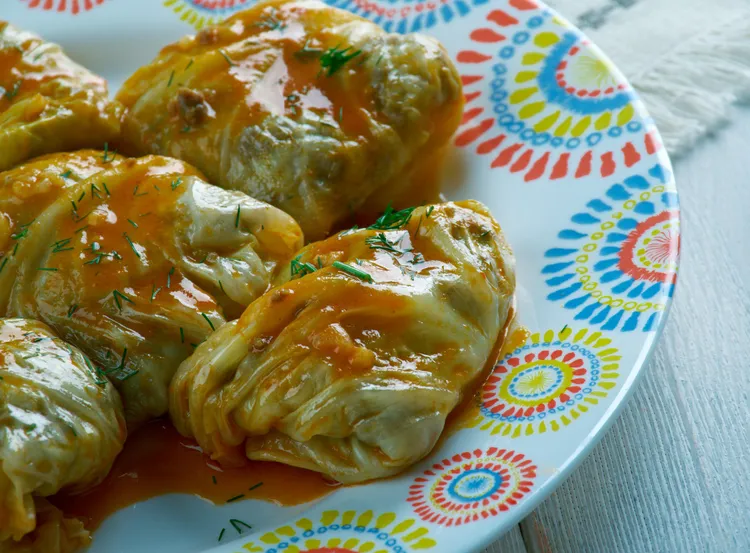
Sarma is the kind of food that travels in large pots. In Serbia and Bosnia, it's made for celebrations, for winter Sundays, for any occasion that calls for something substantial and satisfying. A pot of sarma feeds eight people and costs very little. It also reheats better than almost any other cooked dish - the flavour deepens overnight in a way that makes leftovers the best version.
The Fermented Cabbage Question
Traditional sarma uses kiseli kupus - whole heads of cabbage fermented in brine over several weeks. The leaves are soft, pliable, and have a gentle tang that balances the richness of the meat. It's widely available at Eastern European delis and some specialist grocers, sold in plastic bags or tubs.
If you can't find it, blanched fresh cabbage works but produces a different dish - less sour, less complex. A workaround is to add a tablespoon of apple cider vinegar to the broth when using fresh cabbage. Not identical, but closer to the original flavour profile.
Ingredients (serves 6-8)
- 1 head fermented cabbage (or 1 large fresh cabbage, blanched)
- 500g minced pork
- 300g minced beef
- 150g short-grain rice, uncooked
- 1 medium onion, finely diced
- 3 cloves garlic
- 2 tbsp sunflower oil
- 1 tbsp sweet paprika
- Salt and black pepper
- 200g smoked ribs or smoked pork belly (for the pot)
- 400ml tomato passata
- 500ml water
Method
- Sauté the onion in oil for 5-6 minutes until softened. Add garlic and paprika, cook for 1 minute more. Cool slightly.
- Combine pork, beef, uncooked rice, onion mixture, salt, and pepper. Mix well by hand for 2-3 minutes.
- Separate the cabbage leaves carefully, trimming any thick central ribs. Aim for leaves roughly 15-20cm across.
- Place 2-3 tablespoons of filling near the base of each leaf. Roll tightly, tucking in the sides as you go.
- Line the base of a deep pot with any broken cabbage leaves and the smoked meat. Layer the rolls tightly on top, seam-side down.
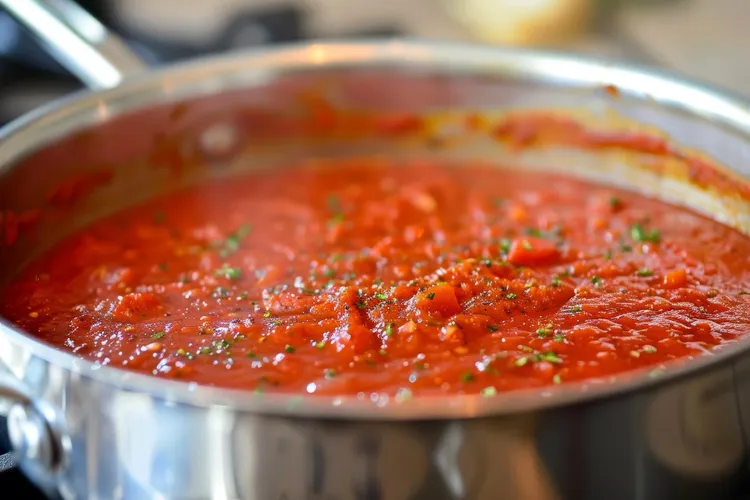
- Mix passata with water, season, and pour over the rolls. They should be almost submerged.
- Cover and cook on very low heat for 2 to 2.5 hours. Do not boil - a gentle simmer is essential.
Macro Breakdown
Per serving (2 medium rolls with broth, approx. 350g):
- Calories: ~390 kcal
- Protein: ~26g
- Carbohydrates: ~28g
- Fat: ~18g
These figures are estimates based on the recipe above. Using leaner mince reduces fat; using more rice increases carbohydrates. The smoked meat in the broth adds flavour but relatively little to the per-serving nutrition.
Serving and Storage
Sarma is served with a ladle of the cooking broth poured over the top and a generous dollop of sour cream or full-fat yogurt on the side. Bread to mop up the broth is standard.
Leftovers keep in the fridge for 4 days and in the freezer for 3 months. Reheat gently in the pot with a splash of water. The rolls hold their shape well through multiple reheats.
For a side salad, lemon-infused cabbage salad provides a bright, fresh contrast to the richness of the rolls. For more Balkan cooking ideas and a sample weekly meal plan, see the Balkans table guide.
Latest