How to Do a Big Sunday Batch Cook for the Whole Week
A practical 90-minute Sunday routine that produces enough cooked components - proteins, grains, and veg - to cover five days of family lunches and dinners without cooking from scratch every night.
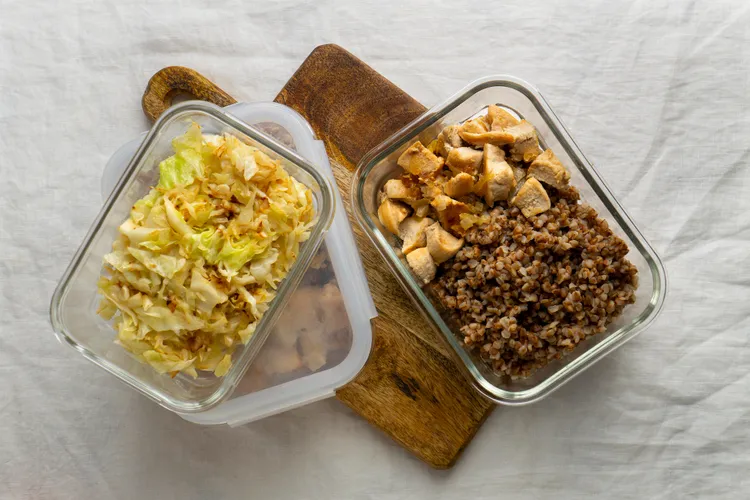
The idea is straightforward: one focused cooking session on Sunday afternoon, and the rest of the week your kitchen does a fraction of the work. Not full meals - components. Cooked rice, roasted proteins, a big pot of soup or stew. These get assembled into quick dinners on weeknights in 10-15 minutes instead of 45.
What You Need Before You Start
You don't need specialist equipment. A large baking tray, a big pot, a medium saucepan, and enough airtight containers to store 5 days of food. Glass containers with lids are worth the investment - they go straight from fridge to microwave and stack neatly.
Before you start cooking, do a quick fridge and freezer audit. Whatever protein is already there should go first. Check the vegetable drawer too - anything that won't last another week should be roasted or thrown into a soup this session.
Before your Sunday session, it's worth checking your weekly calorie and macro targets - the free Consillar weekly meal planner builds a full day of recipes around your numbers so you know exactly what to prep.
The 90-Minute Batch Cook Plan
This is designed to run multiple things simultaneously. Start the longest-cooking items first and let them run while you prep the shorter ones.
Minutes 0-10: Start the Grains
Put a large pot of rice or pasta on to cook. 2 cups of dry rice yields about 6 cups cooked - enough for 4 people across 3-4 meals. If you prefer variety, cook rice this week and plan pasta next week. Drain, cool, and refrigerate in portions.
Minutes 5-15: Season and Load the Oven
A tray of chicken thighs goes in at 200°C/400°F. Six bone-in thighs take 40-45 minutes and need zero attention once in. Season with whatever you have - salt, pepper, paprika, and olive oil is enough. Alternatively, a spice-rubbed whole chicken goes in here if you're running the whole-chicken strategy.
Alongside the protein, add a tray of chopped root vegetables - carrots, sweet potato, parsnip - tossed in oil. They roast in the same time and serve as a veg component for multiple meals.
Minutes 15-45: Make the Soup or Stew
While the oven runs, make a large pot of soup. A lentil and vegetable soup costs under $4 for 8 servings and freezes perfectly. See the complete recipe in our lentil and vegetable soup guide. The active prep is 10 minutes; the soup then simmers for 25-30 minutes on its own.
Minutes 45-75: Oven Check and Portioning
Pull the chicken and vegetables when cooked through (internal temp 165°F/74°C for chicken). Let everything rest and cool slightly before portioning into containers. Label each container with the day it's intended for - this removes the daily decision and means nothing gets forgotten at the back of the fridge.
Minutes 75-90: Prep Extras
Boil a batch of eggs (great for quick lunches and snacks). Wash and chop any salad vegetables that will last 3-4 days. If you have bread that's going stale, slice and freeze it now for toast during the week.
What to Do With Each Component
- Cooked rice: Monday stir-fry base, Tuesday lunch bowl, Thursday fried rice with egg.
- Roasted chicken: Monday dinner (served with roasted veg), Wednesday wrap filling, Thursday added to soup.
- Roasted veg: Side for Monday dinner, mixed into Wednesday's pasta bake, or blended into soup.
- Soup: Tuesday dinner, Wednesday lunch, freeze the rest for a future week.
- Hard-boiled eggs: Kid's packed lunches, quick snacks, Friday egg salad.
Storage and Safety
Cooked proteins and grains keep safely for 4 days in the fridge. Soups and stews keep 4 days in the fridge or 3 months in the freezer. Roasted vegetables keep 3-4 days - they don't freeze as well as other components, so plan to use them early in the week.
Cool food before refrigerating (not more than 2 hours at room temperature). Freeze anything you won't use within 4 days. For the full guide on what freezes well and what doesn't, see our article on how to freeze meals properly.
Meal Prep Tips
The most common mistake in batch cooking is trying to prep complete meals rather than flexible components. Complete meals get boring fast. Components stay flexible - you can season the same chicken thigh differently every day and it won't feel like repetition.
This routine is the operational core of budget family cooking. For the full strategic framework including shopping lists and weekly meal plans, see our complete family meal planning guide.
Latest