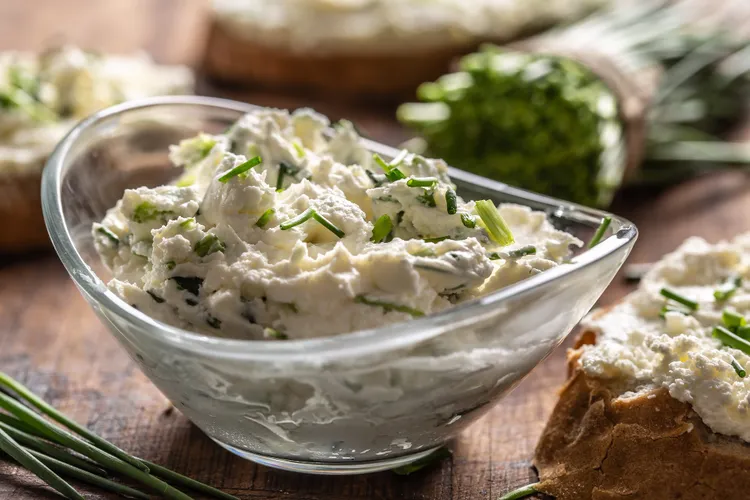
Sweet Whipped Ricotta (Honey, Citrus, Vanilla)
The dessert-direction version of whipped ricotta, built around honey, citrus zest, and a touch of vanilla for toast, fruit, or a light dessert spread.
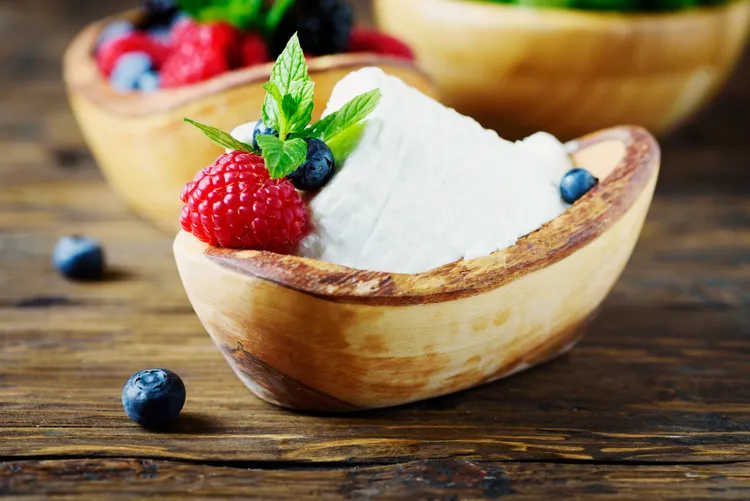
Ricotta's mild flavor and naturally soft texture make it just as suited to dessert as it is to a savory dip, and this version needs only three additions to the base technique to get there.
Ingredients
- 15 oz whole-milk ricotta, drained
- 3 tbsp honey, plus more for drizzling
- 1/2 tsp vanilla extract
- 1 tsp orange or lemon zest
- Pinch of fine salt
- Fresh berries or sliced stone fruit, for serving
Instructions
- Drain the ricotta as described in our base recipe, using a fine-mesh strainer lined with a paper towel for at least 30 minutes.
- Add the drained ricotta, honey, vanilla, and salt to a food processor.
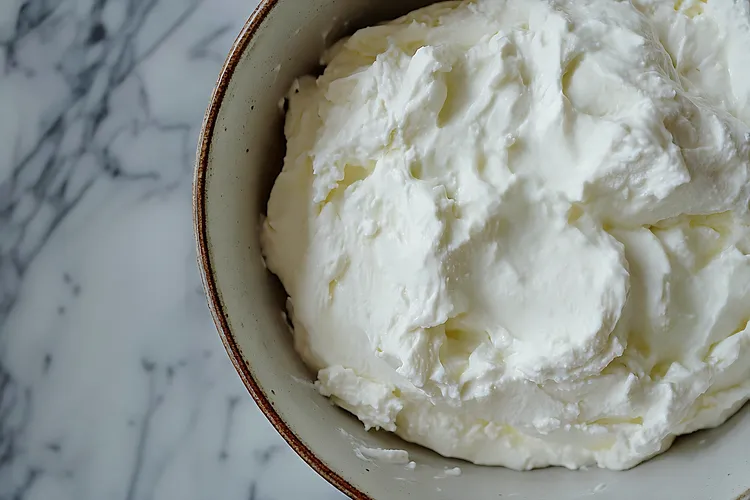
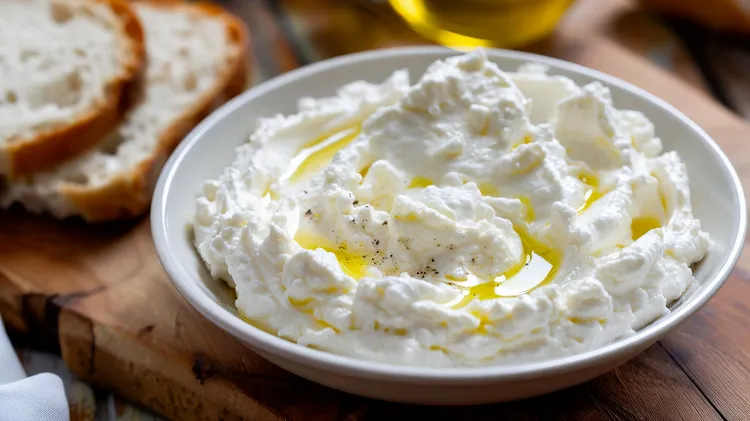
- Process for 60 to 90 seconds, scraping down the sides once, until pale, glossy, and noticeably lighter than when you started.
- Fold in the citrus zest by hand at the end.
- Spoon into a serving bowl, top with fresh fruit, and finish with an extra drizzle of honey.
Nutrition (per serving, about 2 tbsp)
- Calories: ~95 kcal
- Protein: 4g
- Carbs: 8g
- Fats: 5g
Balancing Sweetness
Three tablespoons of honey is a moderate starting point that keeps the ricotta's own dairy flavor present rather than masking it entirely. Taste after the first minute of processing and add more honey a teaspoon at a time if you want it sweeter; it's much easier to add more than to pull sweetness back out once it's blended in.
Why Vanilla and Citrus Together
Vanilla rounds out honey's flavor and gives the whole thing a more dessert-like character rather than tasting like plain sweetened cheese, while citrus zest adds brightness that keeps the richness in check. Folding the zest in by hand at the end, rather than processing it in, keeps its oils and flavor fresher than if it spent a full minute being pulverized along with everything else.
What to Serve It With
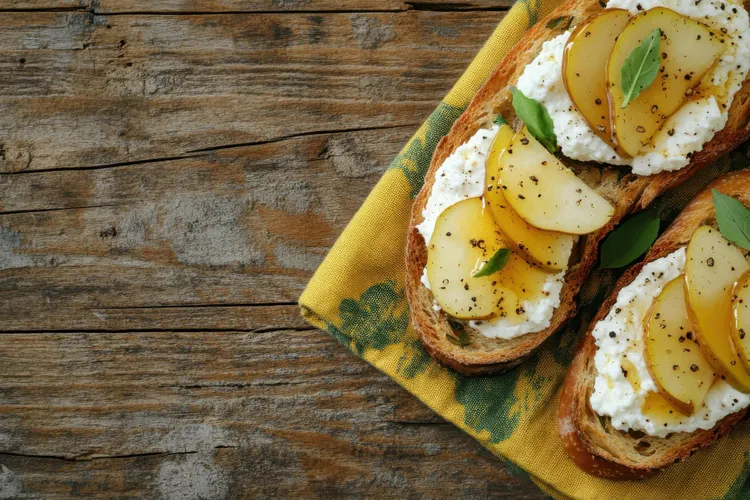
This version is genuinely versatile across a whole day. Spread on toast with fresh fruit and a final honey drizzle, it works as breakfast or an afternoon snack. Served in a bowl with a plate of fresh berries, sliced peaches, or roasted stone fruit alongside, it works as a light, not-too-heavy dessert that takes minutes to put together.
Variations
- Chocolate version: Fold in a tablespoon of cocoa powder and an extra tablespoon of honey for a mousse-like chocolate ricotta.
- Maple instead of honey: Maple syrup gives a deeper, slightly less floral sweetness that pairs particularly well with apple or pear.
- Cinnamon version: A half teaspoon of cinnamon added with the vanilla gives a warmer, more fall-appropriate flavor.
Choosing Your Sweetener
Honey is the default here for its floral flavor and easy availability, but maple syrup, agave, or even a light dusting of powdered sugar all work as substitutes if you want a different flavor profile or need an alternative for dietary reasons. Powdered sugar in particular gives a slightly less wet result than a liquid sweetener, which can be useful if you want the ricotta to hold a firmer shape for plating.
Pairing With Fruit by Season
- Spring: Strawberries and a scattering of fresh mint
- Summer: Peaches, nectarines, or a mix of berries
- Fall: Roasted or poached pears, or sliced apples with a dusting of cinnamon
- Winter: Blood orange segments or pomegranate seeds, both of which hold up well against the ricotta's creaminess and add good color when fresh fruit options are otherwise limited
Turning This Into a Dessert Course
For a more composed dessert rather than a casual spread, plate individual portions in small bowls or glasses, layer with fruit and a final drizzle of honey, and finish with a few crushed pistachios or toasted almonds for crunch. This same base also works well piped from a piping bag for a more formal presentation, since the whipped texture holds a shape reasonably well once chilled.
Why Ricotta Works So Well for Dessert
Ricotta's mild, faintly sweet flavor on its own, well before any honey or vanilla is added, is part of why it crosses over into dessert territory more naturally than feta ever could; feta's sharp saltiness fights against a sweet direction, while ricotta's neutrality gives sweeteners and fruit room to lead. This is also why ricotta shows up in traditional Italian desserts like cannoli filling and ricotta cheesecake, both of which lean on the same basic quality this whipped version is built around.
Portioning for a Dinner Party Dessert Course
Plan for roughly a third of a cup of whipped ricotta per person if serving this as a standalone light dessert course, plated with fruit alongside rather than served from one large communal bowl. This portion size feels generous without being heavy, especially after a full meal, which is part of why this variation works so well as a lighter alternative to a more traditional cake or pastry-based dessert course.
Pairing With Other Desserts
This works well as a component within a larger dessert rather than only on its own, spooned alongside a simple pound cake, layered into a parfait with granola, or used as a lighter filling in place of whipped cream between layers of a simple cake. Its lower sweetness relative to whipped cream or buttercream makes it a good counterbalance in a dessert that's already rich elsewhere.
Adjusting Texture for Piping or Layering
If you plan to pipe this or layer it neatly in a glass for a parfait-style presentation, chill it for at least an hour after whipping so it firms up enough to hold a cleaner shape. Straight out of the food processor, it's a bit too soft to pipe neatly, but a short rest in the fridge solves that without needing to change the recipe itself.
Frequently Asked Questions
Can I make this less sweet for a savory-leaning dessert?
Yes, reduce the honey to a single tablespoon and skip the vanilla, keeping just the citrus zest and a pinch of salt. This gives a much more subtly sweet result that works well alongside fresh fruit that's already quite sweet on its own.
Will this work with low-fat ricotta?
It will, though the result is noticeably less rich and doesn't hold its whipped texture quite as well once chilled. Whole-milk ricotta is worth using here specifically since this version is meant to taste indulgent.
How do I keep the fruit from making everything watery?
Add fresh fruit just before serving rather than mixing it in ahead of time, since most fruit releases liquid once cut and left to sit, which can thin out the ricotta's texture if given enough time.
Can I turn this into a dip for cookies or graham crackers instead of fruit?
Yes, it works well as a dip for shortbread, graham crackers, or biscotti, treated much like a lighter alternative to a traditional dessert dip or fruit fondue.
Using It as a Cake or Pastry Filling
Beyond serving it as a standalone dessert, this same sweet ricotta base works well as a filling between cake layers or spread inside a simple crepe, offering a lighter alternative to buttercream or pastry cream while still bringing real sweetness and richness to the finished dessert.
Comparing This to Traditional Ricotta Desserts
Italian cooking has long relied on sweetened ricotta in desserts like cannoli and ricotta pie, typically sweetened with sugar rather than honey and often flavored with cinnamon or citrus in a very similar direction to this recipe. What sets the whipped version apart from those older traditions is purely the aeration step; a traditional sweetened ricotta filling is usually just stirred together, while whipping it first in a food processor gives a noticeably lighter, airier result well suited to being eaten on its own rather than baked inside a shell or pastry.
Portion Control for a Lighter Dessert
Because this version skips the heavy cream, butter, and refined sugar found in most traditional desserts, it's reasonable to serve a slightly larger portion than you might with a richer option, without the meal feeling as heavy afterward. This makes it a genuinely useful option for a dinner party where a lighter final course fits the overall meal better than a dense cake or tart.
Adjusting for a Kid-Friendly Version
For a version geared toward kids, skip the citrus zest, which some children find too sharp, and lean more on the honey and vanilla for a simpler, sweeter flavor. Serving it with a familiar fruit like sliced strawberries or bananas rather than a more unusual option also tends to go over better with younger palates.
Presentation for Photos
If presentation matters for this particular occasion, layer the fruit and a light honey drizzle just before the final photo or serving moment rather than earlier in the prep process, since both fruit juices and honey can start to blend into the ricotta's surface within just a few minutes, softening the clean visual contrast that makes this dessert look as good as it tastes.
Why This Recipe Is Worth Keeping in Rotation
Beyond its role as a trend-driven dip, this specific sweet direction is genuinely useful as a reliable, no-bake dessert option for any occasion where you want something that feels considered without turning on the oven, which makes it worth keeping in regular rotation well beyond whatever attention whipped ricotta happens to be getting at any given moment. It's the kind of recipe that earns a permanent spot in a regular rotation precisely because it solves a real problem, a fast, light dessert with minimal effort, rather than depending entirely on being currently fashionable.
Make It Ahead
This keeps well in the fridge for up to four days in a sealed container, though it's worth waiting to add fresh fruit and the final honey drizzle until just before serving so the fruit doesn't release liquid into the ricotta. For full storage guidance across both sweet and savory whipped cheese dips, see our storage guide.
A Reasonable Starting Point for First-Timers
If this is your first time whipping ricotta at all, sweet or savory, this version is a forgiving place to start, since honey and vanilla are more forgiving of small measurement errors than a more precisely balanced savory recipe might be. A little extra or a little less honey rarely ruins the result the way an imbalanced savory seasoning mix sometimes can, which makes this a low-stakes way to build confidence with the base whipping technique before branching out into more precisely balanced savory versions elsewhere in this guide.
Considering This as a Make-Ahead Dessert for a Dinner Party
Because the base can be made up to four days ahead and only needs fresh fruit and a final honey drizzle added right before serving, this is a genuinely low-stress dessert option for a dinner party where most of the cooking energy is going toward the main course. Having this ready and waiting in the fridge, needing only a few minutes of final assembly, takes real pressure off the end of a longer cooking session, which is exactly when a simpler dessert plan tends to matter most, freeing up attention for whatever's still on the stove, which is often exactly where it's needed most in the final stretch before guests sit down, when a dozen small things are all competing for the same limited attention, and having one course fully settled ahead of time makes a genuine difference to how the whole evening feels, both for the host managing the kitchen and for guests waiting to be served.
For the full base technique this builds on, see our whipped ricotta base recipe, or head back to the complete whipped feta and ricotta guide for the wider picture.
Latest